Saint Stanislaus Cemetery was founded in the year 1923 as the Sacred Heart Cemetery. Its name was changed at some point.
Church
The Saint Stanislaus Cemetery belonged to the Sacred Heart of Jesus Church. The history of the church campus is HERE. The church land was that of Stanisław Popielarczyk – FINDAGRAVE
In the beginning the Polish ethnic group used the Immaculate Conception Church LINK and the Saint Brigid’s Cemetery LINK – but in 1907 they got their own mission church and then in 1909 the church. The second pastor Rev Wenceslaus Lenz of Sacred Heart was buried in the Saint Brigid’s Cemetery – FINDAGRAVE
Cenotaph
Views
The owners of the cemetery land were Wincenty and Waleria Tomaszewski – FINDAGRAVE
Funeral Home
John Czelusniak ran funeral homes in Holyoke, Westfield, Easthampton, and Northampton. He and his vast family is buried in this cemetery. FINDAGRAVE
Sacred Heart Church of Easthampton is from 1909. It is at 34 Franklin Street.
stop 1 – Sacred Heart Church
Land was purchased from the Stanislaw Popielarczyk family and then from the Oscar Knipfer. In 1952 side chapels were added to the church. The church was given a new roof in 1974 and that might have been when the dormers were removed. New siding was added in 1984.
Jan Mard had to live on the ground floor of the Stanislaw Popielarczyk home for his term.
The rectory is at Clifford Street in 1912. In 1929 it is listed as at 33 Knipfer Street.
stop 3 – Sacred Heart School
“Bogu i Ojczyznie” means “God and Country”
The school was blessed August 31 1919 and opened the next day. At first, the nuns were the Franciscan Sisters of Saint Joseph. In July of 1923 they were replaced by the Felicians (from Lodi New Jersey).
the cornerstone of the school has the double inscription of
“Szkola —– 1918”
“Ostoja Religii i Narodj” means “Refuge of Religion and Nation”
stop 4 – Sacred Heart Convent
The new convent was ready in June of 1922. Before that for three years the upper floors of the school was the convent.
Bethlehem House of Western Massachusetts – LINK – is based here. They help young pregnant women during their term and then for 18 more months after their child is born.
German Reformed Church is at the corner of Elm and Sargeant Streets in Holyoke. It is also called the Saint Andrew’s Reformed Church. The front of the church faces onto Elm. In 1961 this church united with the First Congregational Church of Holyoke to become the First United Congregational.
The German Evangelical Lutheran Church was located across Jackson Street from the triangle formed by Jackson, South Bridge, and Park (now Clemente) Streets. The wooden church was one floor and had the same location as the later church. This wooden church was built in 1867. It burned in 1899. Exterior VIEW.
The masonry church was built in 1899 and had August Brunn for a pastor. The German Evangelical Lutheran School was at Jackson and Bridge and had classes in the German language plus in religion.
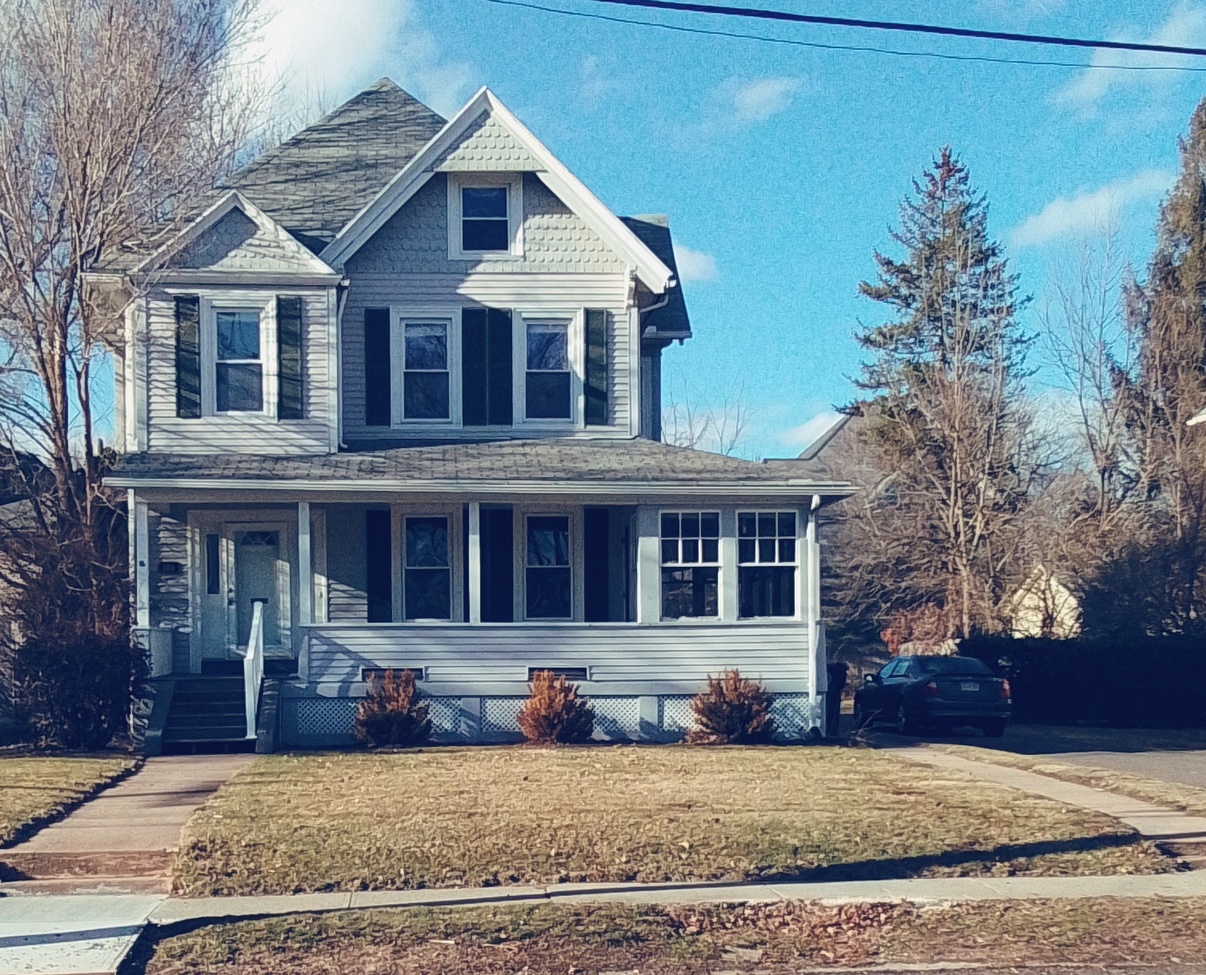
Lincoln Street of Holyoke has many pretty houses. A tiny bit of lower Lincoln Street was put into place in 1876 but the major part of Lincoln was put into place from 1878. This segment was 2469 feet long and ran from Taylor to Northampton Street. It would then be graded for the first time on July 26 1889.
The best manner to tour this street is to start at Kennedy Park. At the southeast corner of the park is the former Highlands Methodist Episcopal Church.
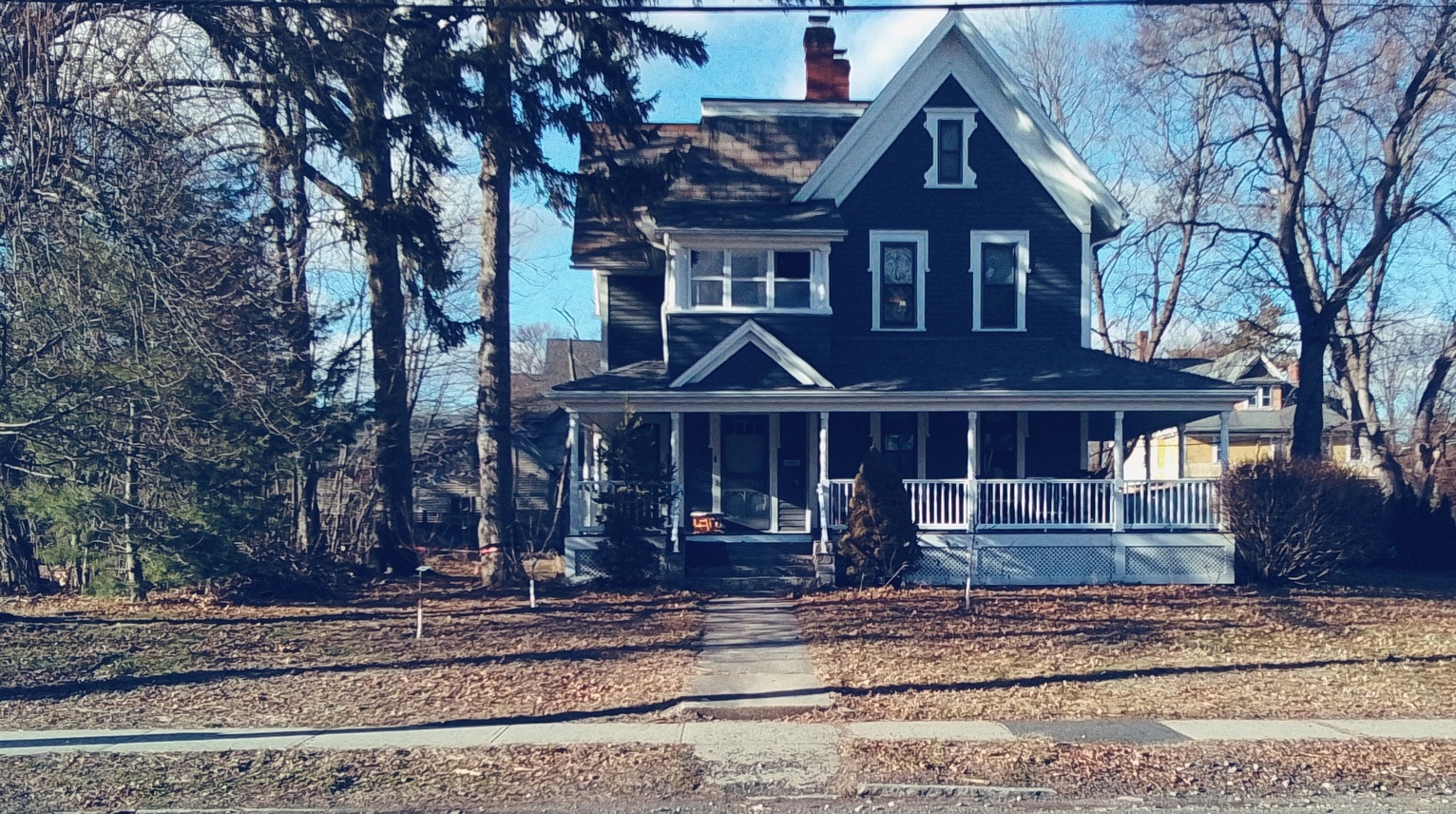
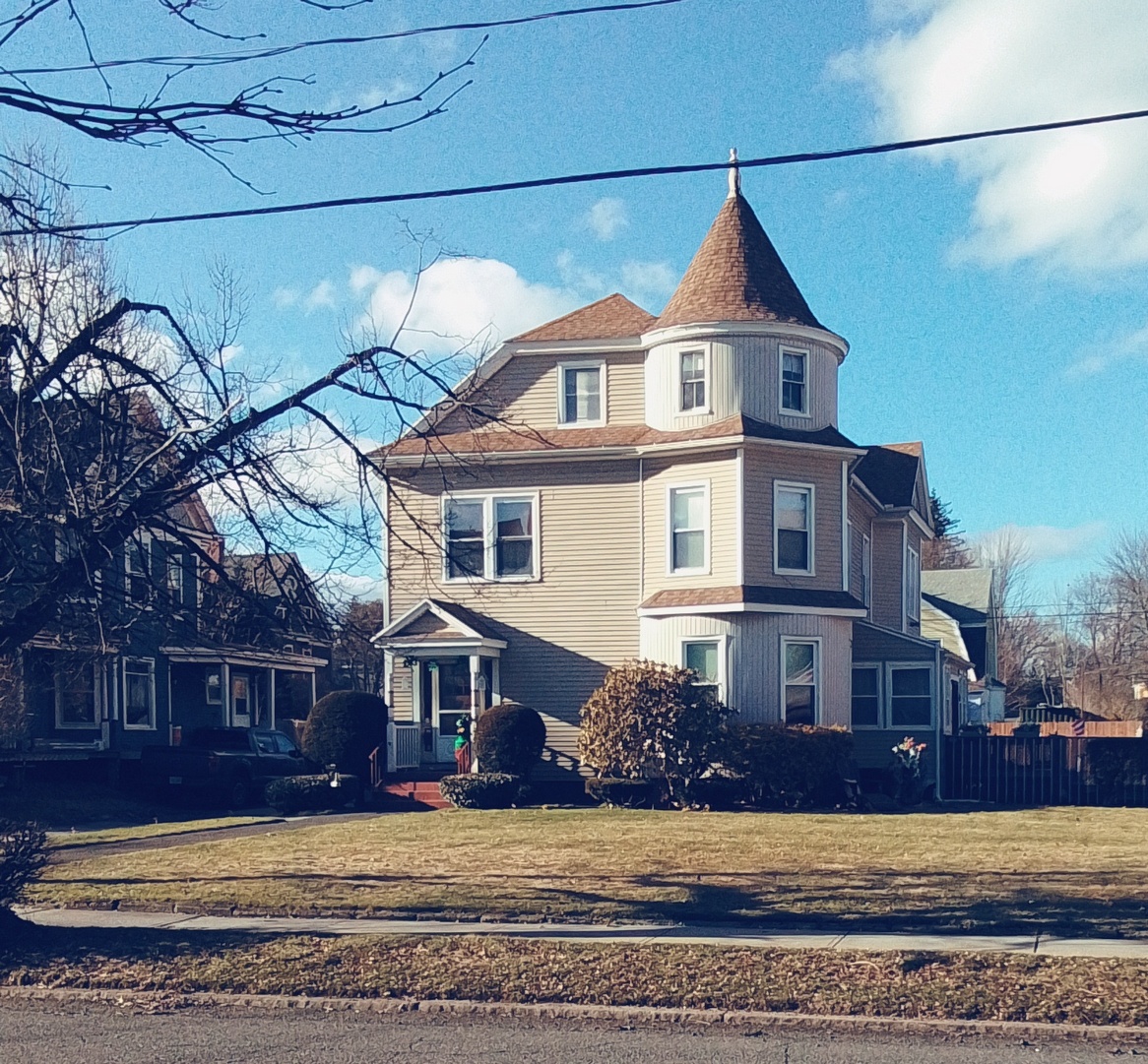
A one block walk up Lincoln Street from the park in a westerly direction is a fine way to view some nice homes. At 98 Lincoln Street is the Azro Coburn house from 1908. He owned the Coburn Trolley Company in Chicopee that made many of the tracks in this city.
stop 4 – James Ramage
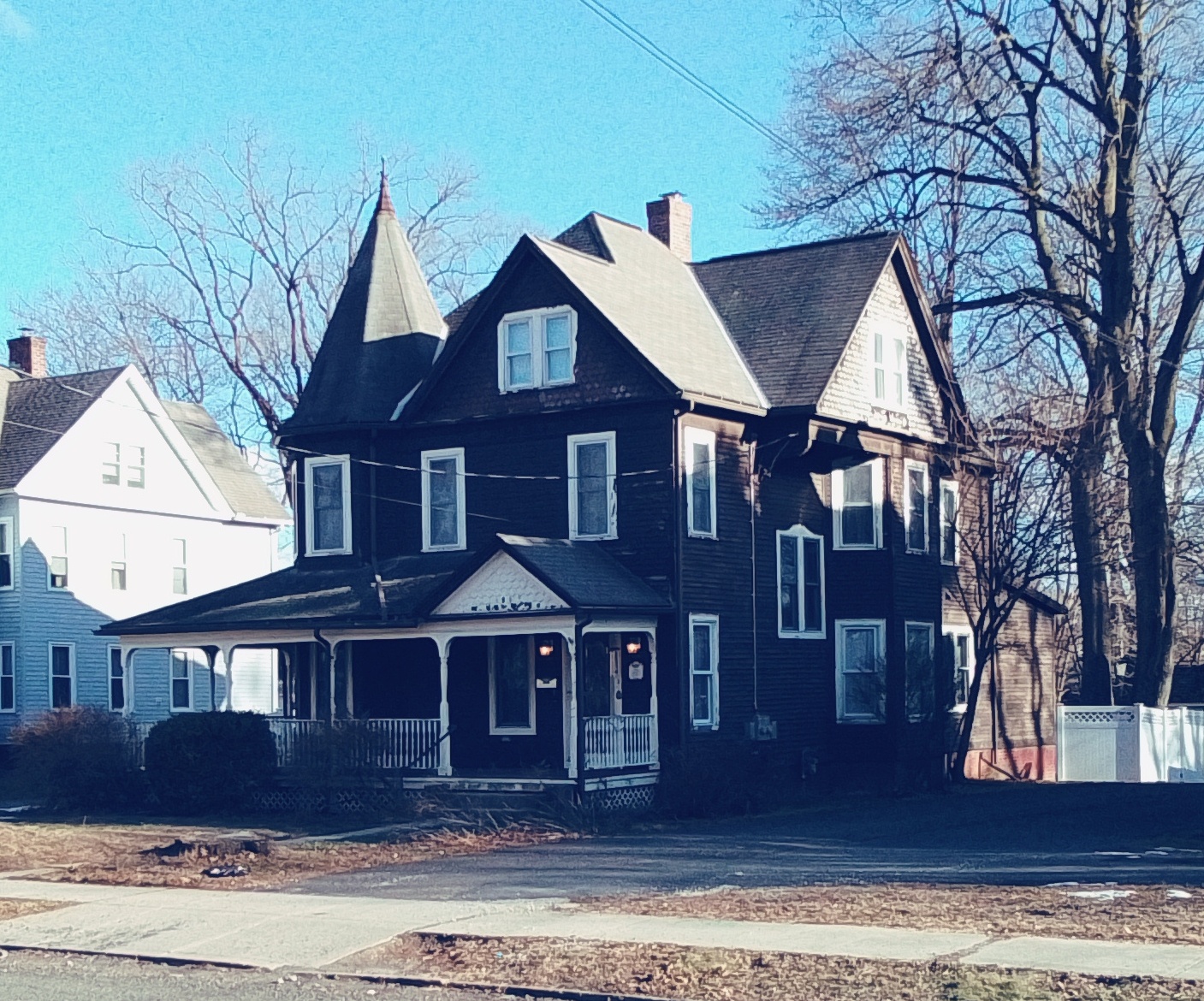
At 104 Lincoln Street is the James Ramage house from 1895. He would own the Franklin Mill.
stop 5 – At 110 Lincoln Street is an 1880 home – Arthur French
[Williams Street crosses here.]
stop 6 – John Williams
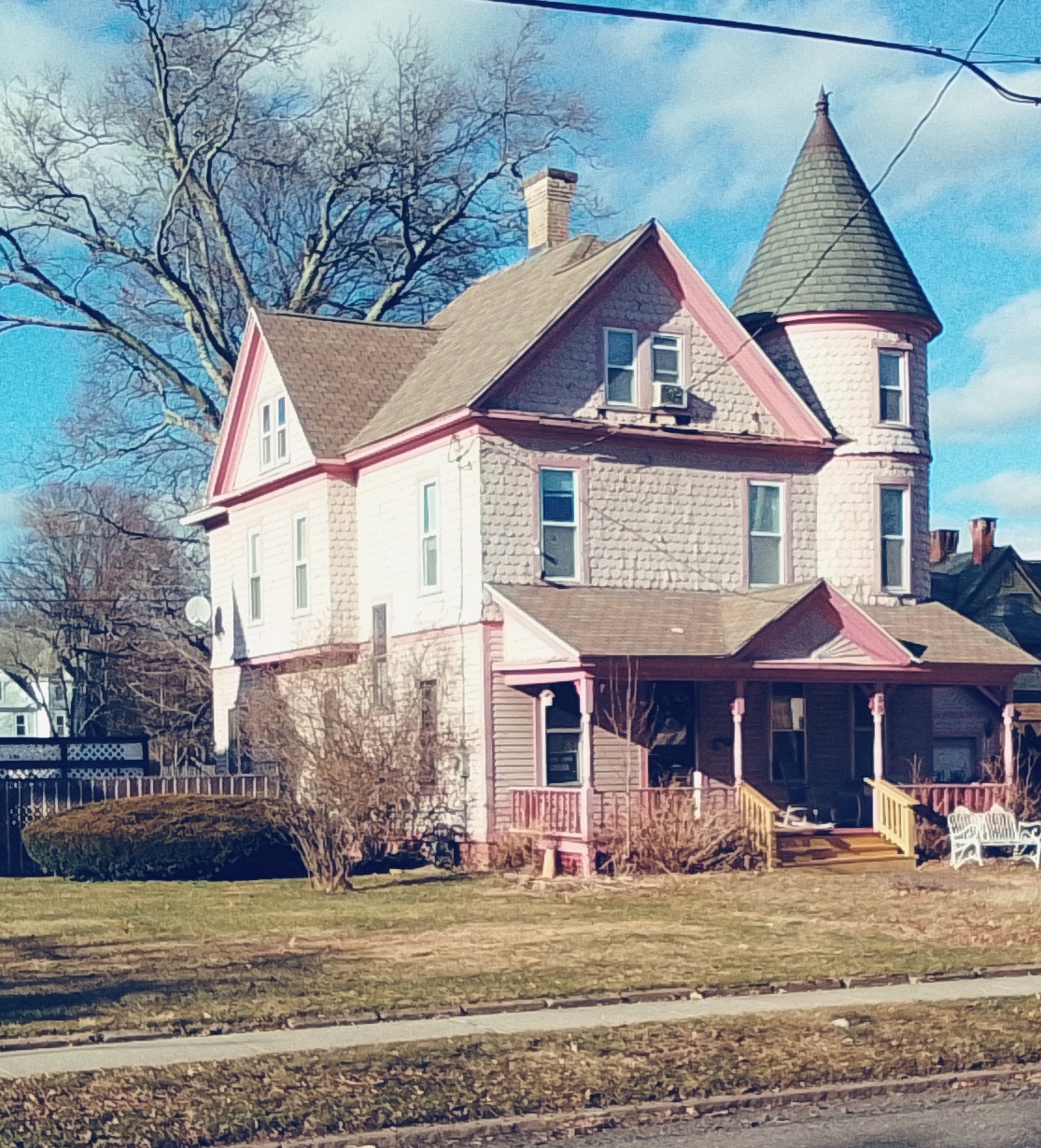
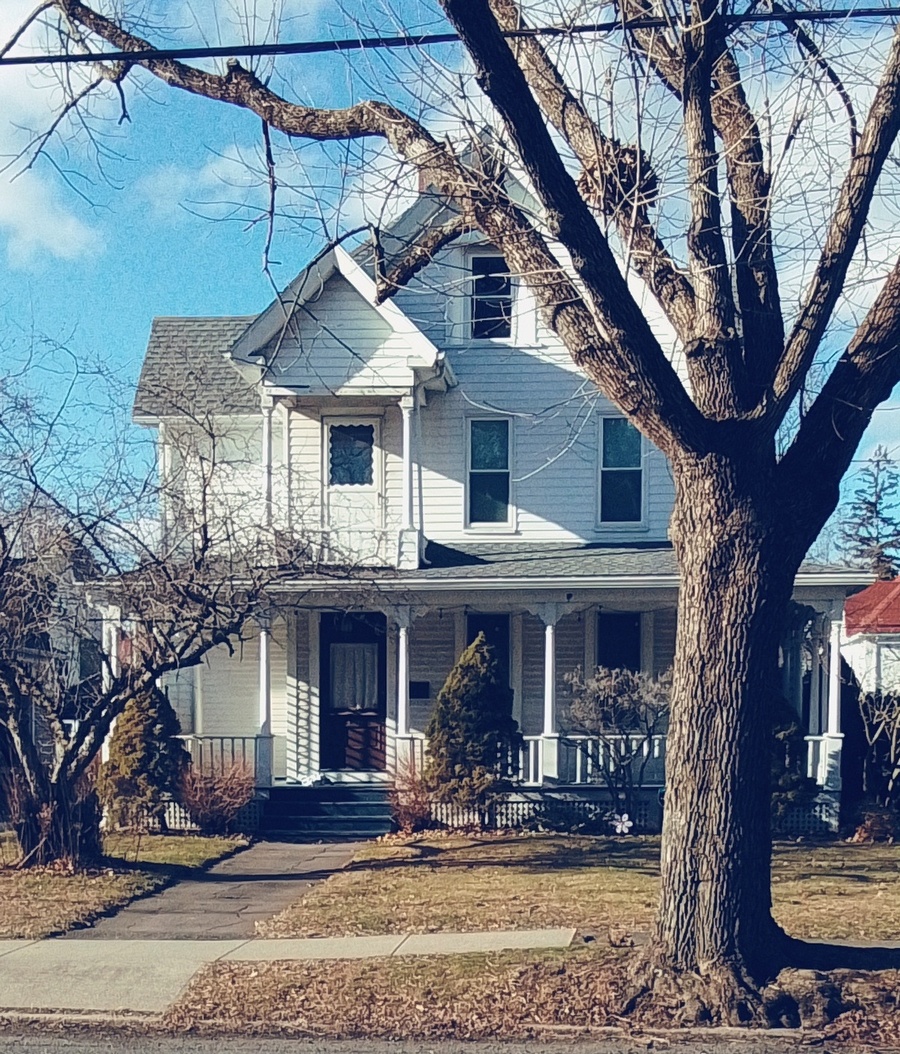
At 118 Lincoln Street is the John Williams house from 1893. This is a Queen Ann Victorian home. John was a carpenter and painter with Doane in a Holyoke store. They started the Doane and Williams paint store.
stop 7 – William Wilson
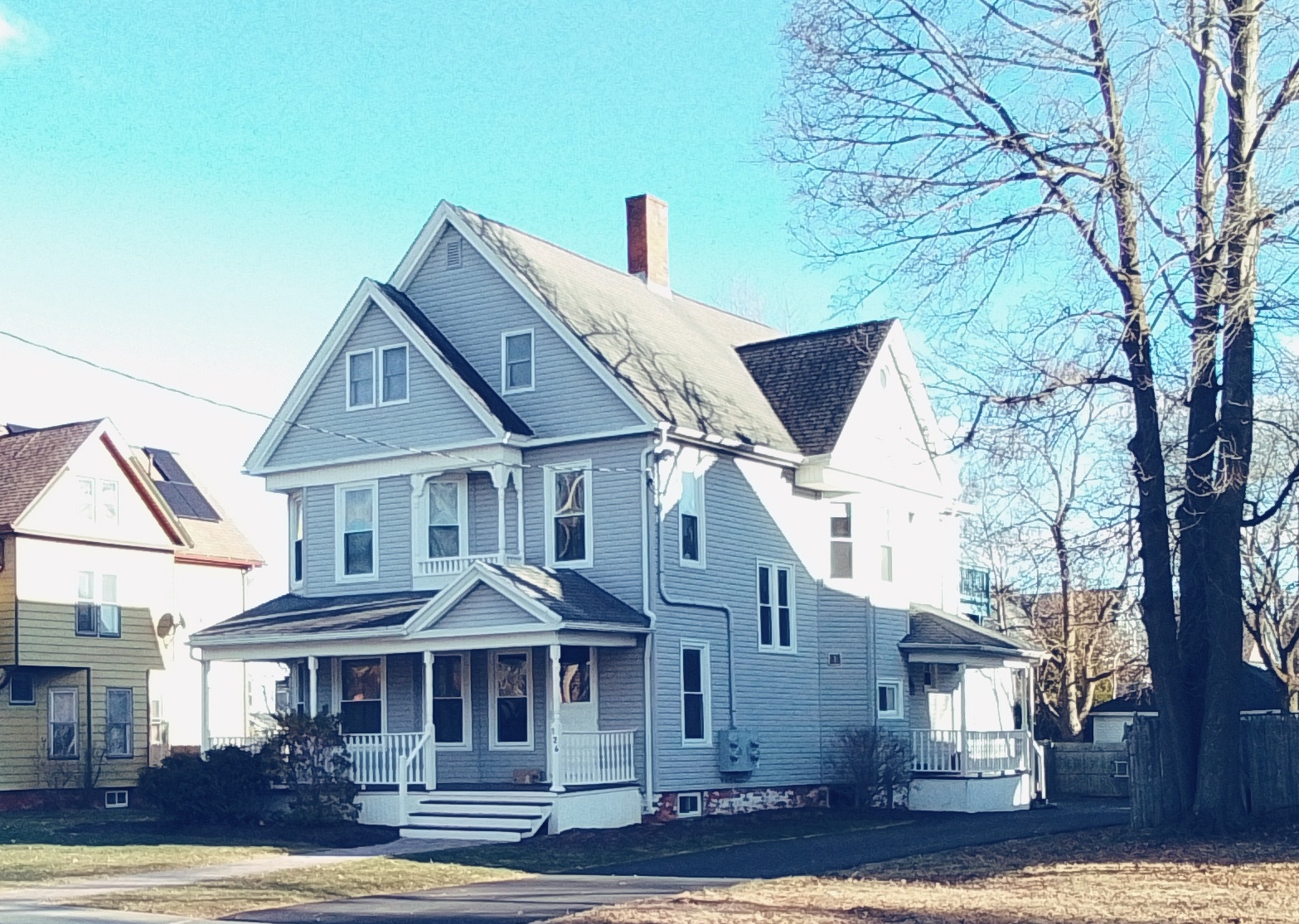
At 126 Lincoln Street we find the William Wilson house from 1894. He was a papermaker at the Wilson and Smith Paper Mill.
stop 8 – Duncan McCorkindale
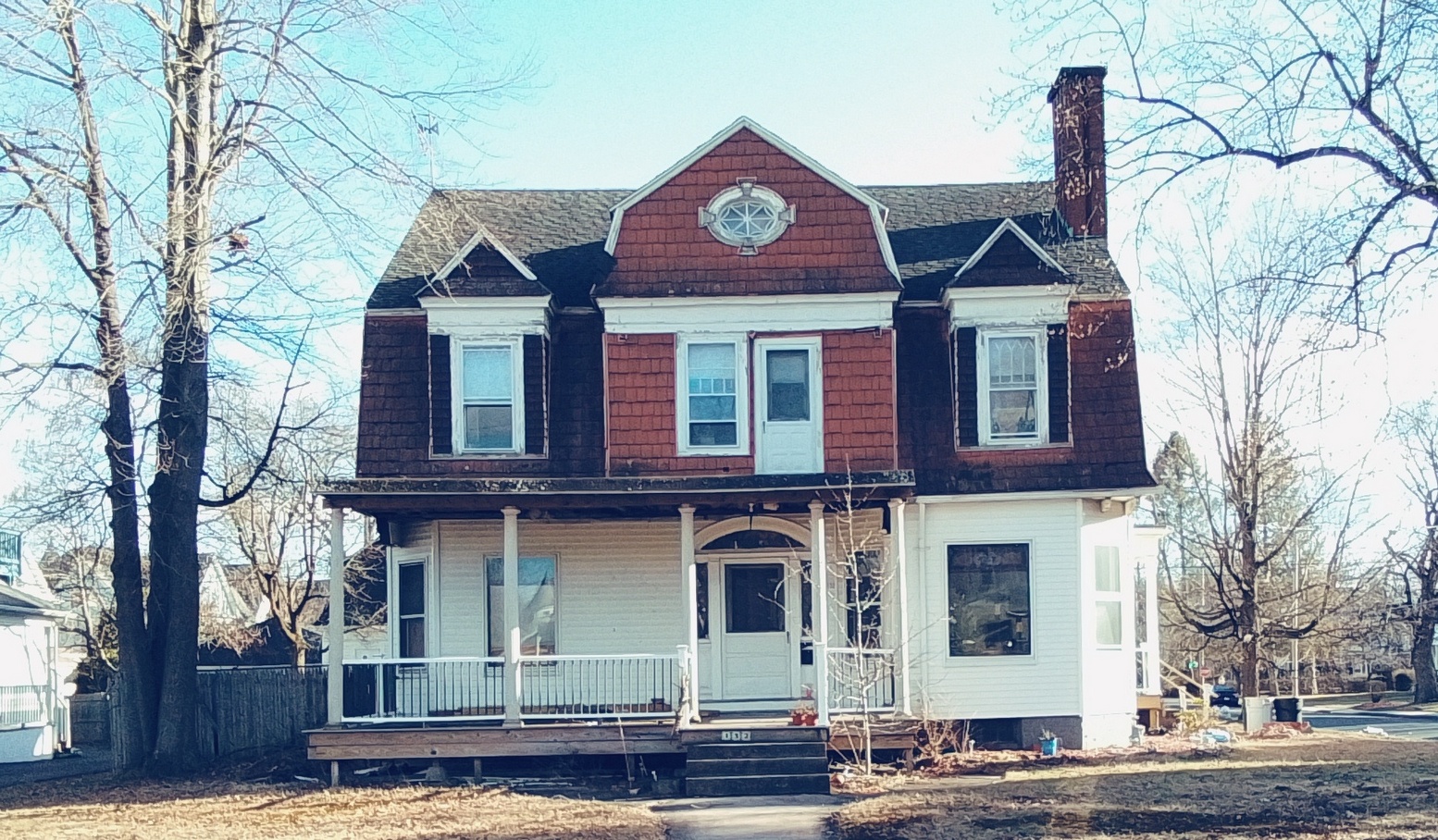
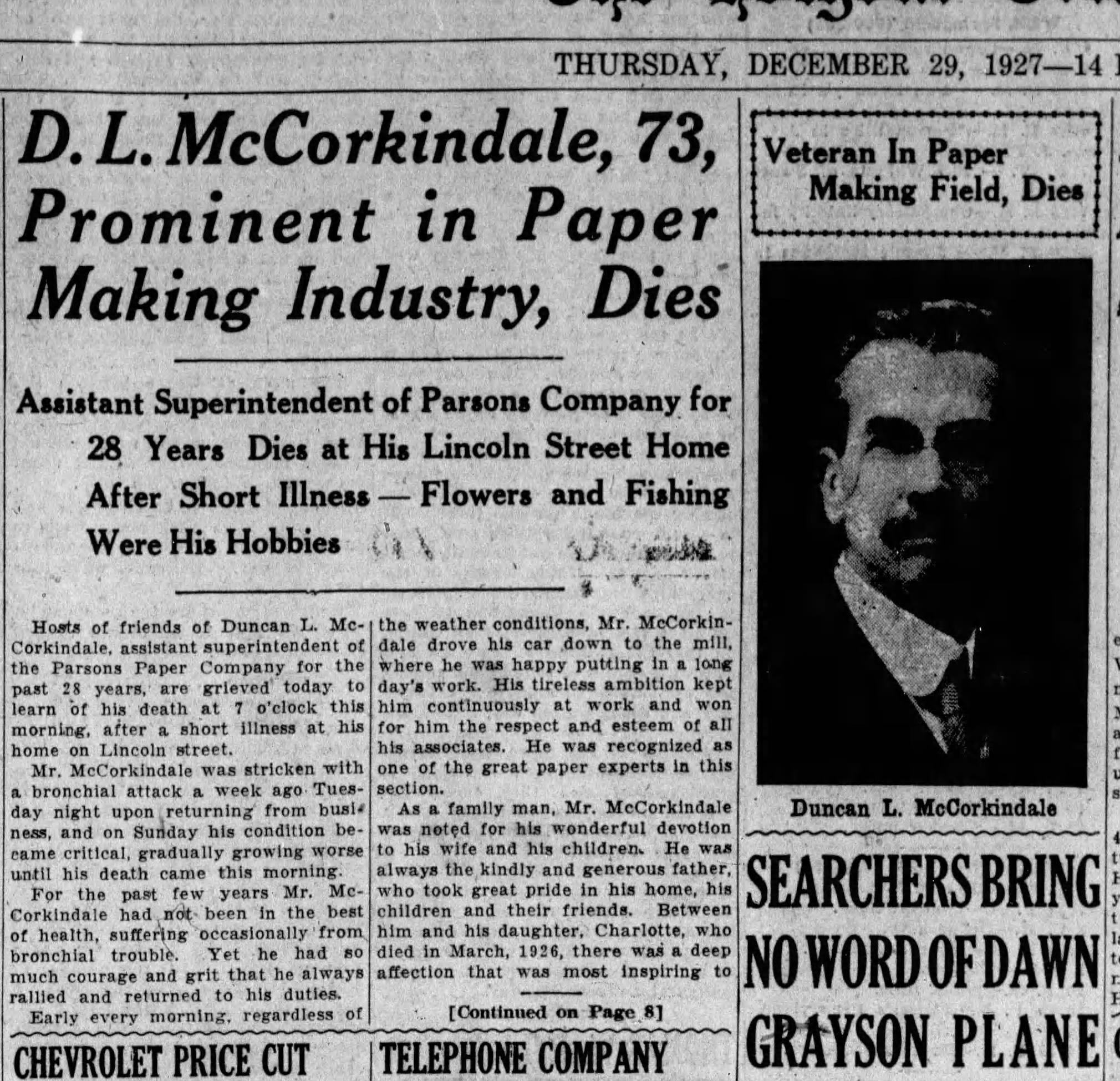
At 132 Lincoln Street is the Duncan McCorkindale house from 1894. He was a worker at the Parsons Paper Mill and from 1902 until in the 1930s his family lived here. FINDAGRAVE
[Howard Street crosses here.]
stop 9 – Robert Sanderson
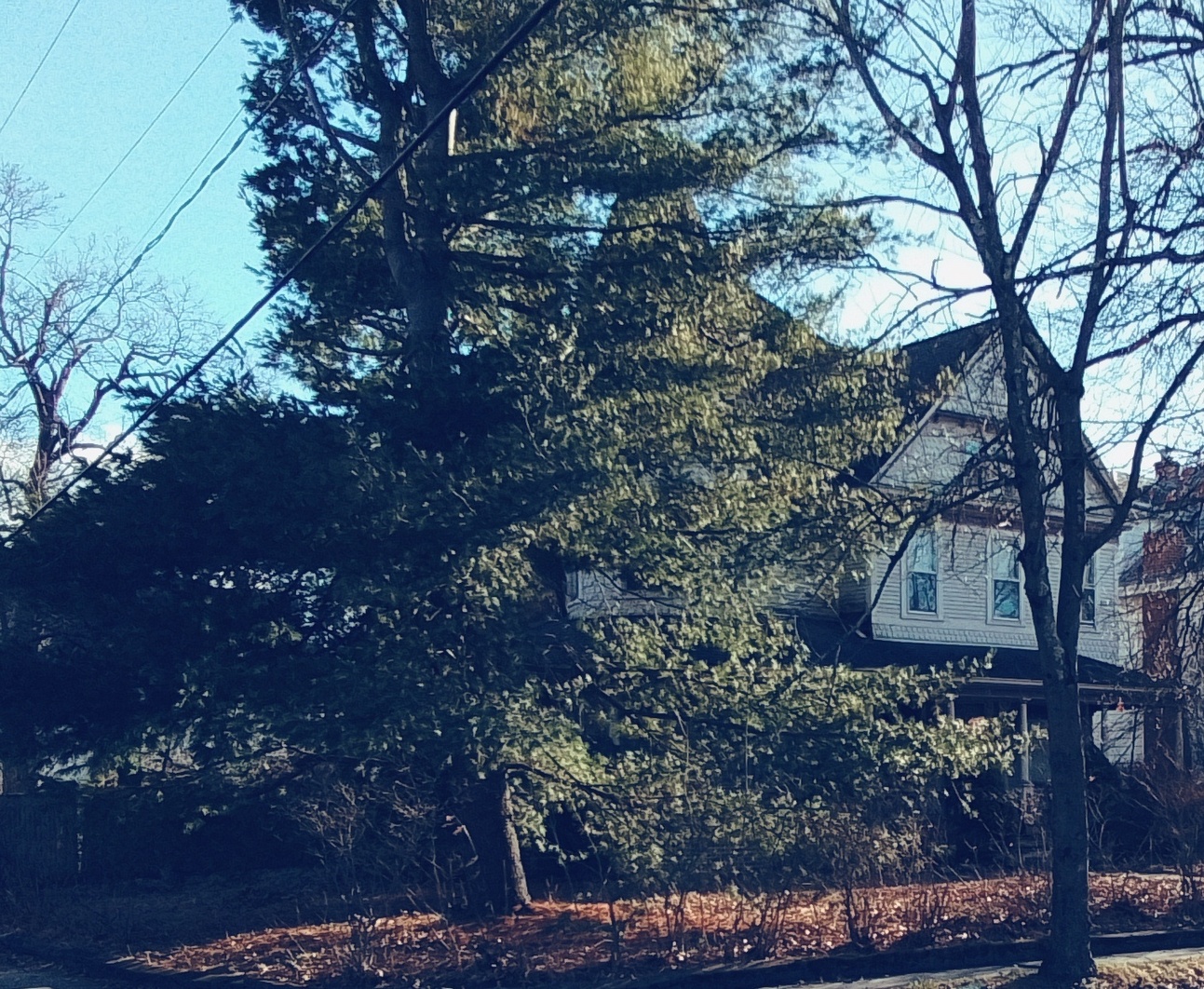
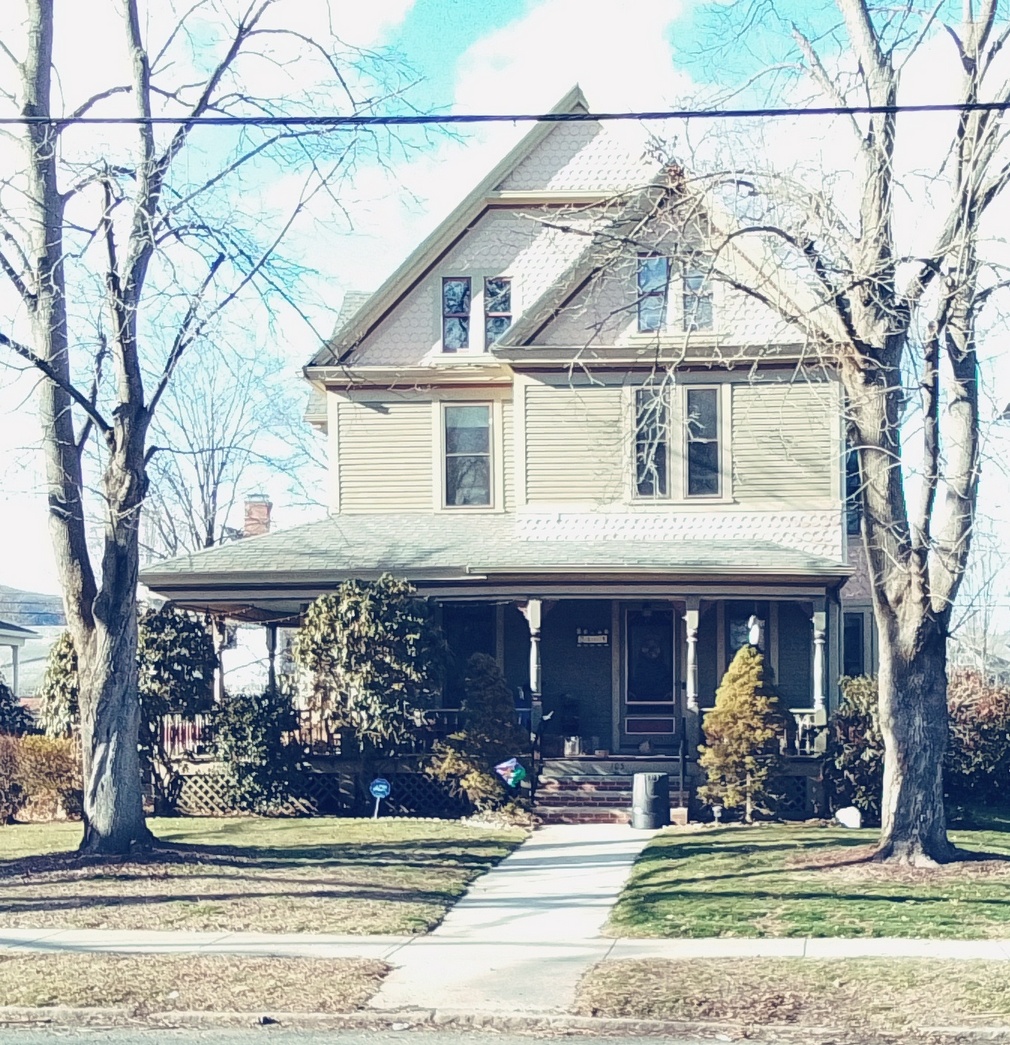
At 136 Lincoln Street in 1895 the Robert Sanderson house was built. This is a shingle style Victorian house. Sanderson was a grocer.
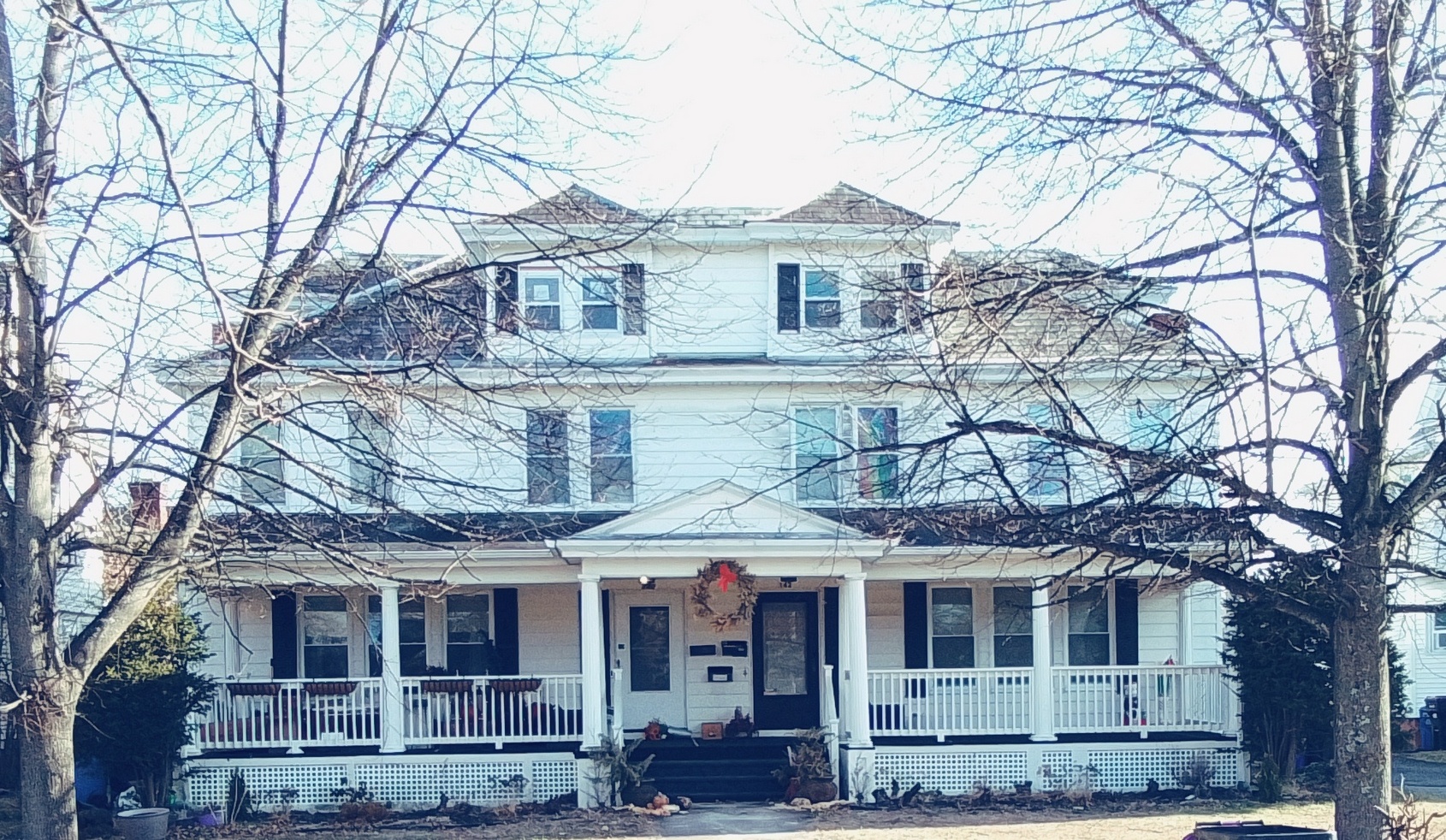
At 140 / 142 Lincoln Street about 1910 – L Howard Foster and Horace Pfahler
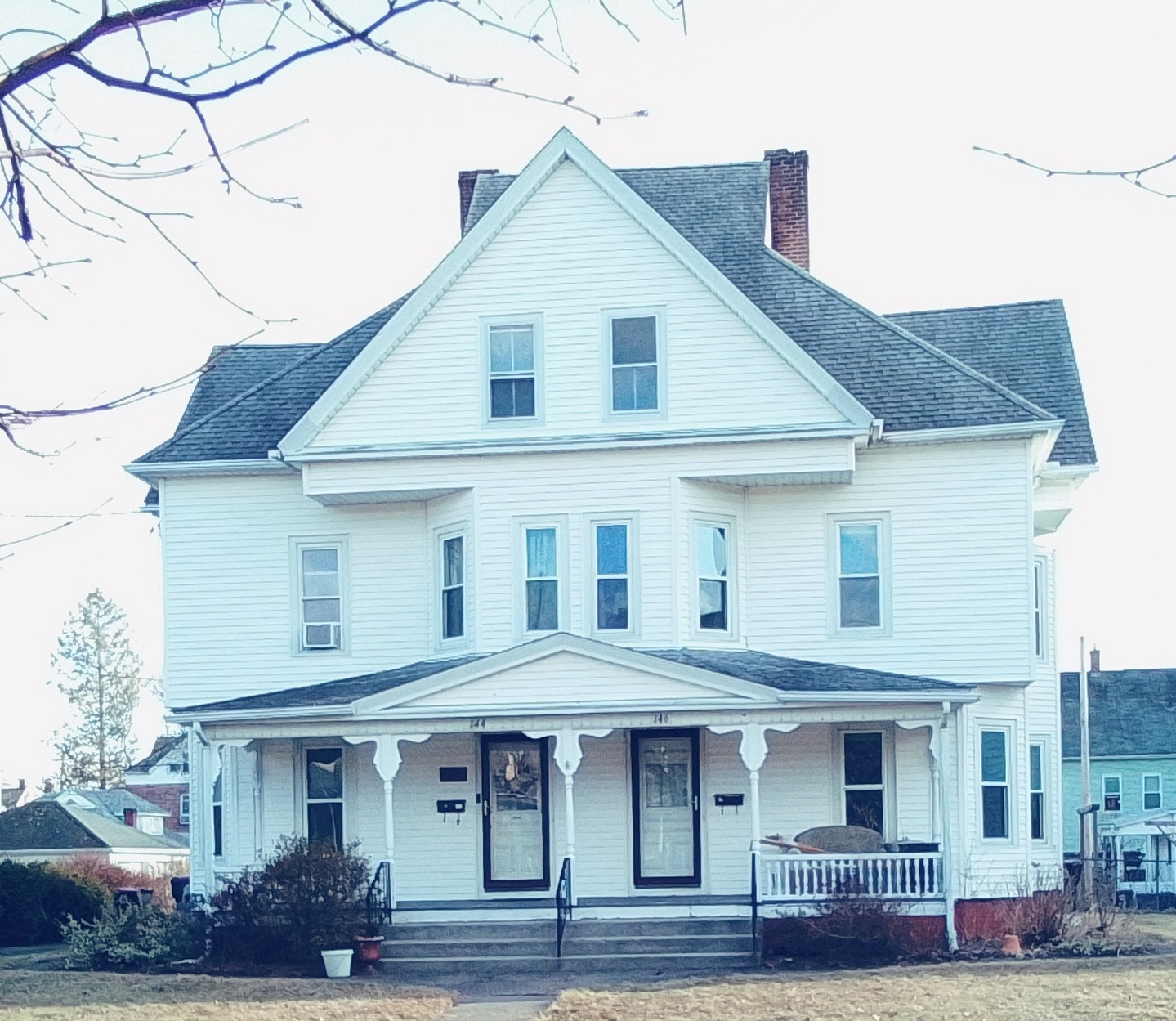
and at 144 / 146 Lincoln Street about 1910 – George Shumway was a shoe dealer and Arthur Thorpe was a superintendent at a paper mill
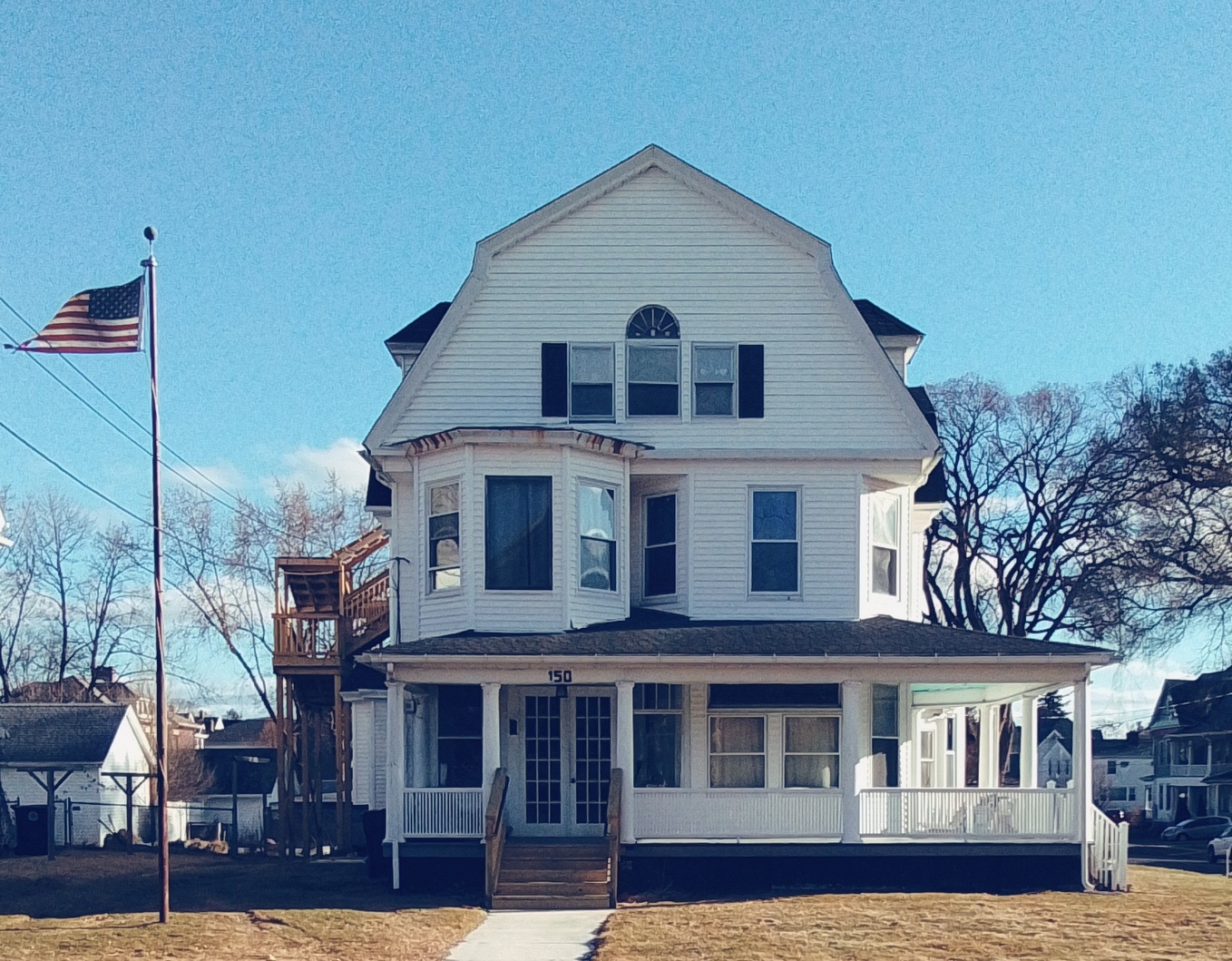
and at 150 Lincoln Street – John Lewis Perkins a paper maker
[Arlington Street crosses here.]
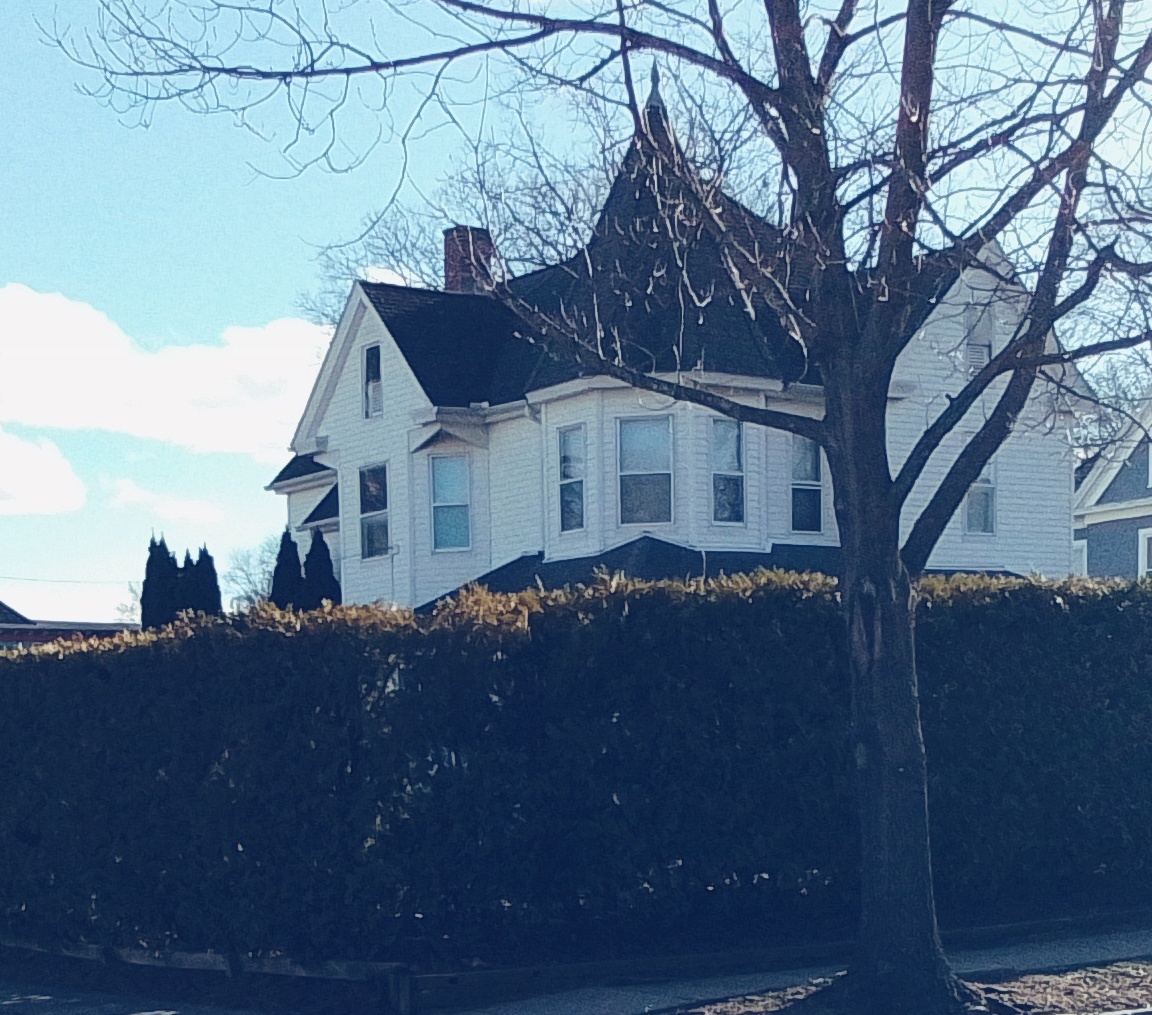
and at 156 Lincoln Street is a Queen Anne home – James Bugbee – superintendent at the American Thread Company
stop 10 – Jens Madsen
At 162 Lincoln Street from 1892 is the Jens Madsen house. He lived here from 1903 to well into the 1940s. For a very long time Madsen had a company called the Anker Printing. Madsen at first lived on Canal Street in South Hadley and was the town’s clerk. This is a shingle style Victorian house.
at 166 Lincoln Street is from 1900 – Henry Chase – machinist
stop 11 – James Morrill
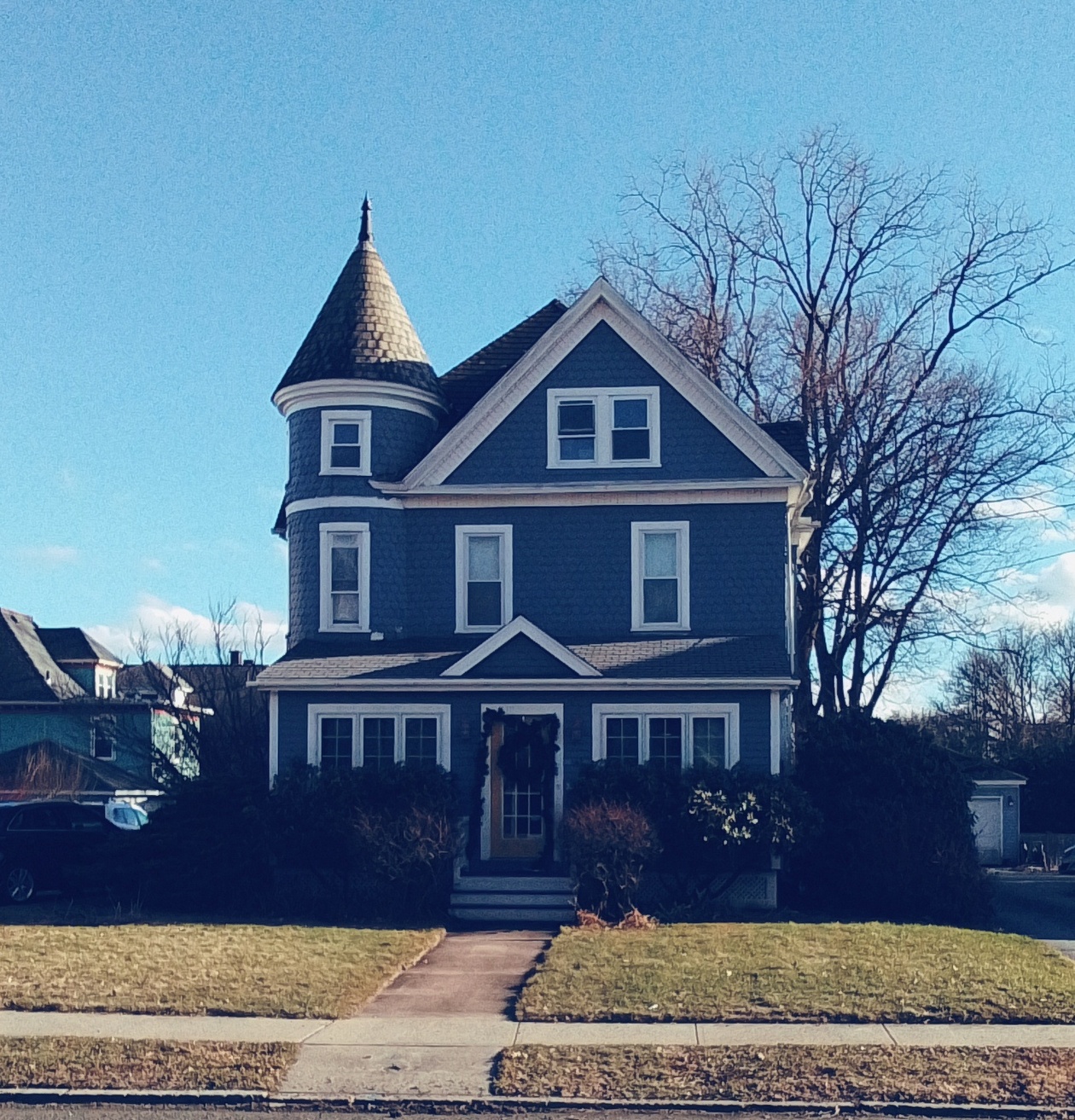
In 1892 at 170 Lincoln Street a nice Queen Anne house was built. James Morrill owned it. He owned a pharmacy on High Street. FINDAGRAVE
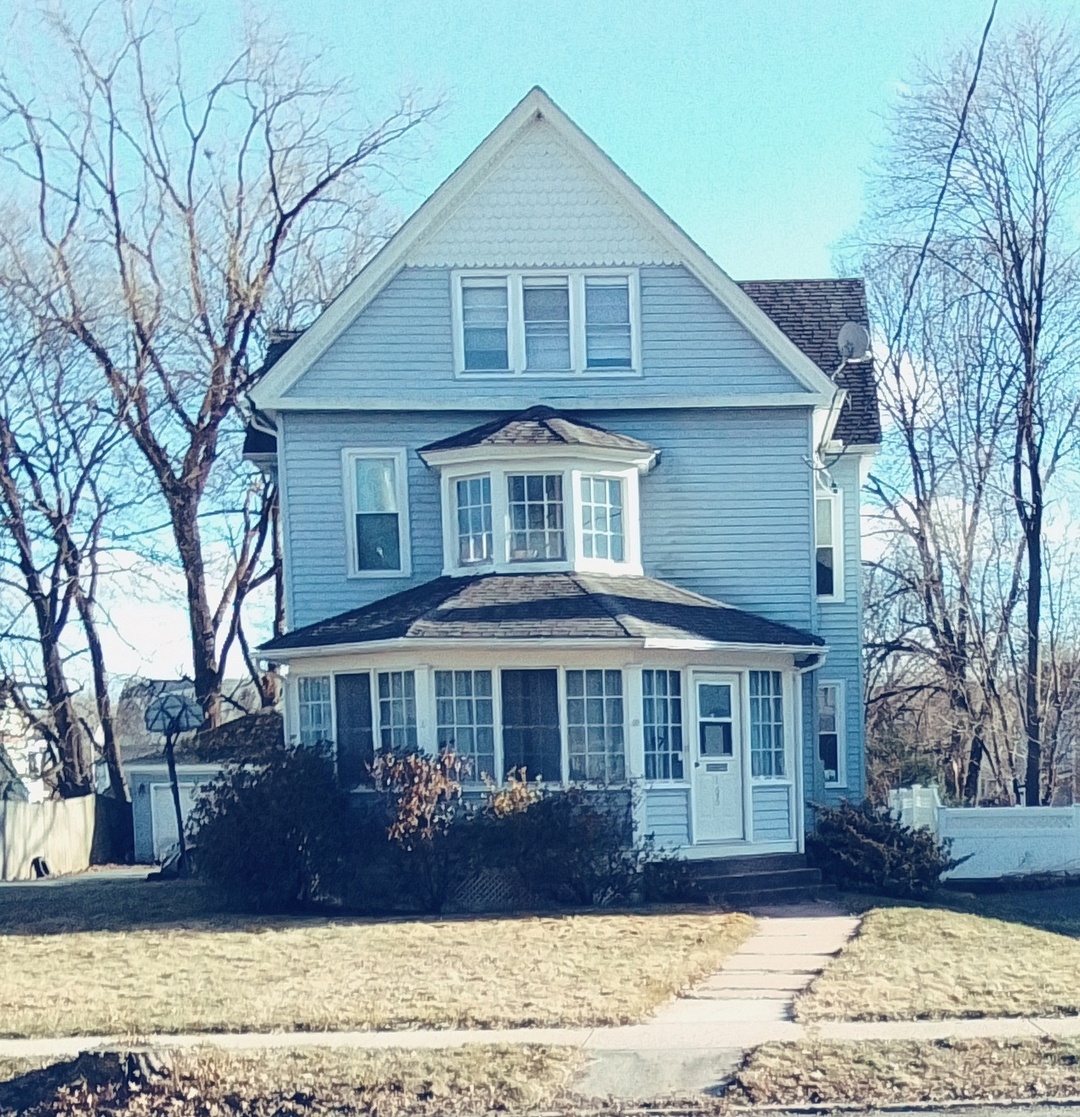
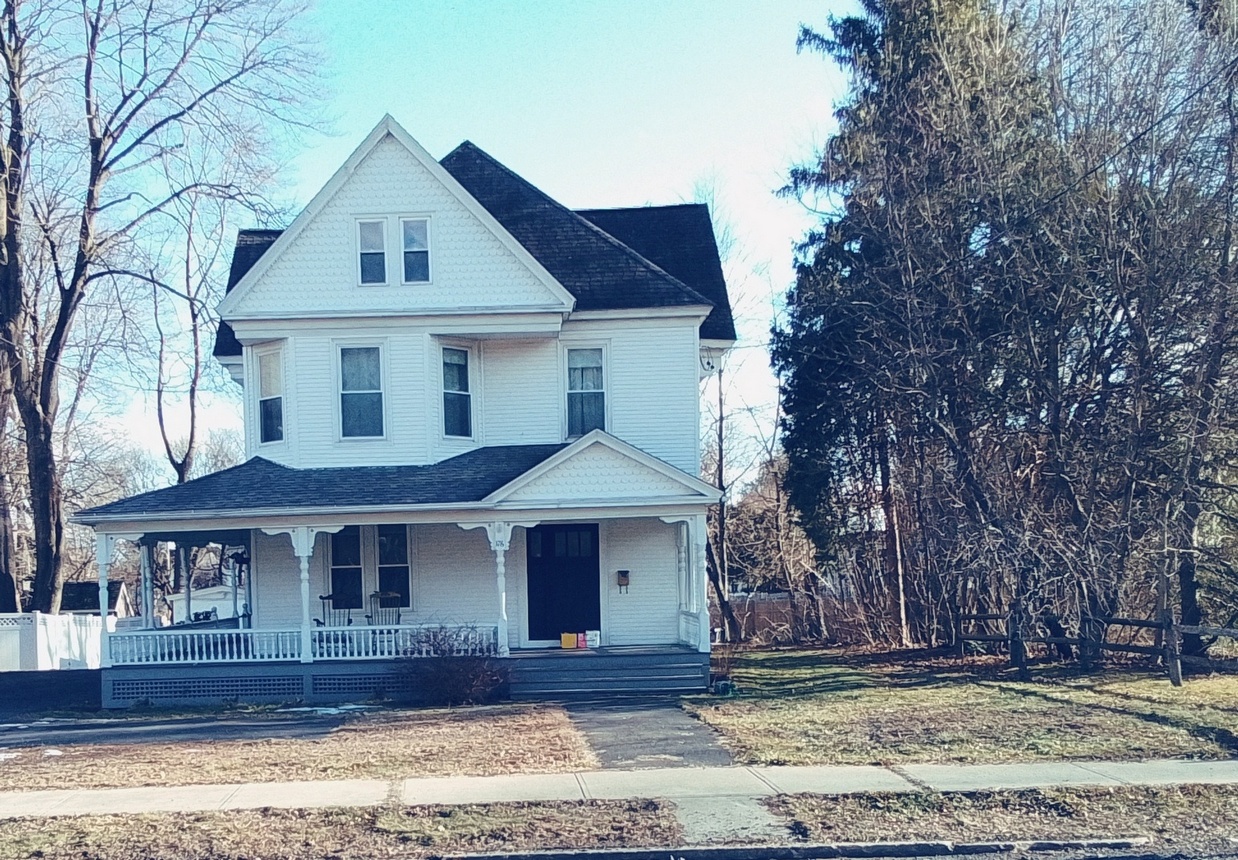
at 176 Lincoln Street is a 1910 house – William Thorpe – manager of a coal firm
stop 12 – Trolley
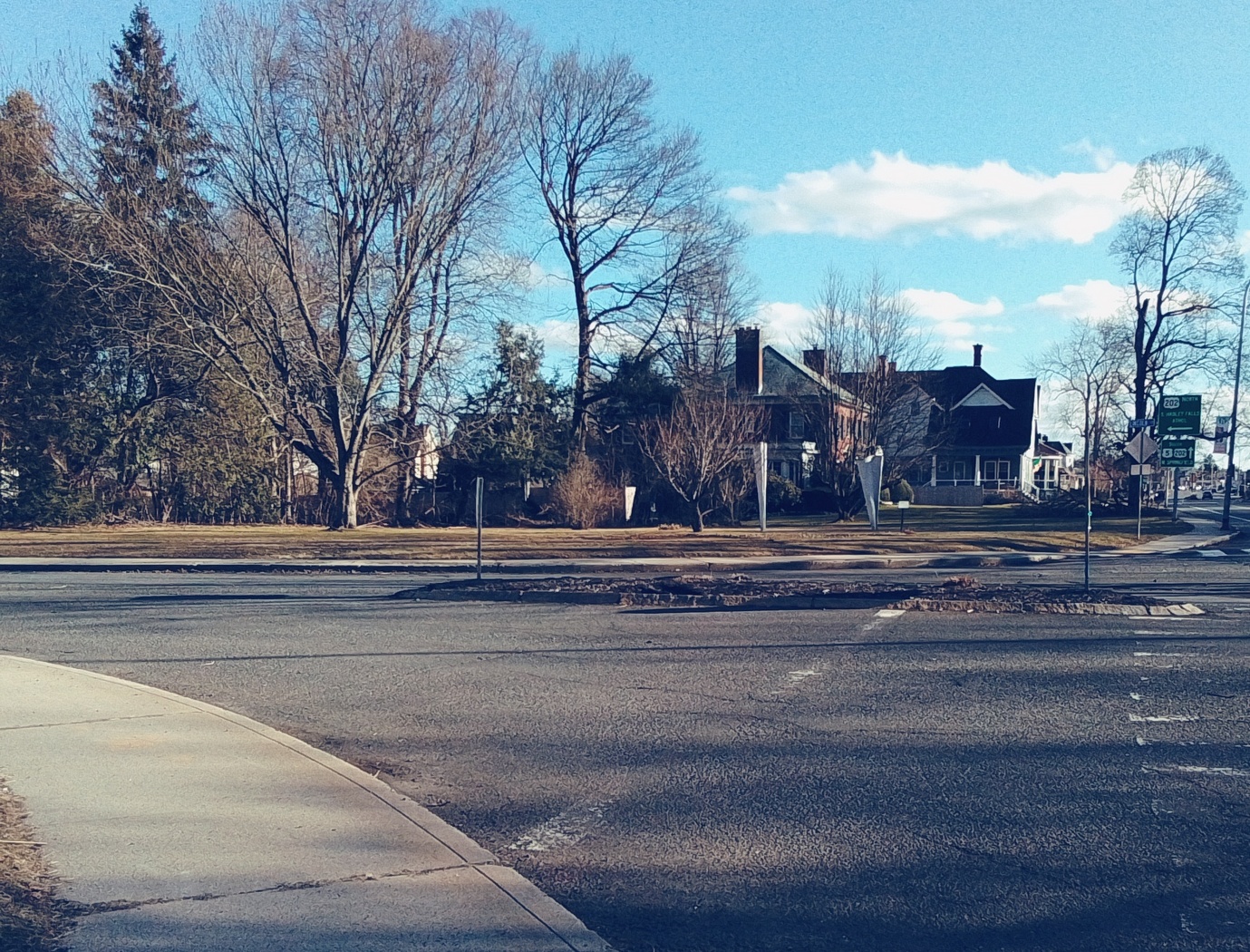
Notice the wide curved corner which is quite atypical of Holyoke’s streetscape. This is since the Highlands Trolley Line run along Lincoln Street. The trolley needed a wide curve and from the 1880s until 1917 it was wide but in that year it became even wider. And now let’s head back eastward on the outside of Lincoln Street.
stop 13 – Robert Johnson
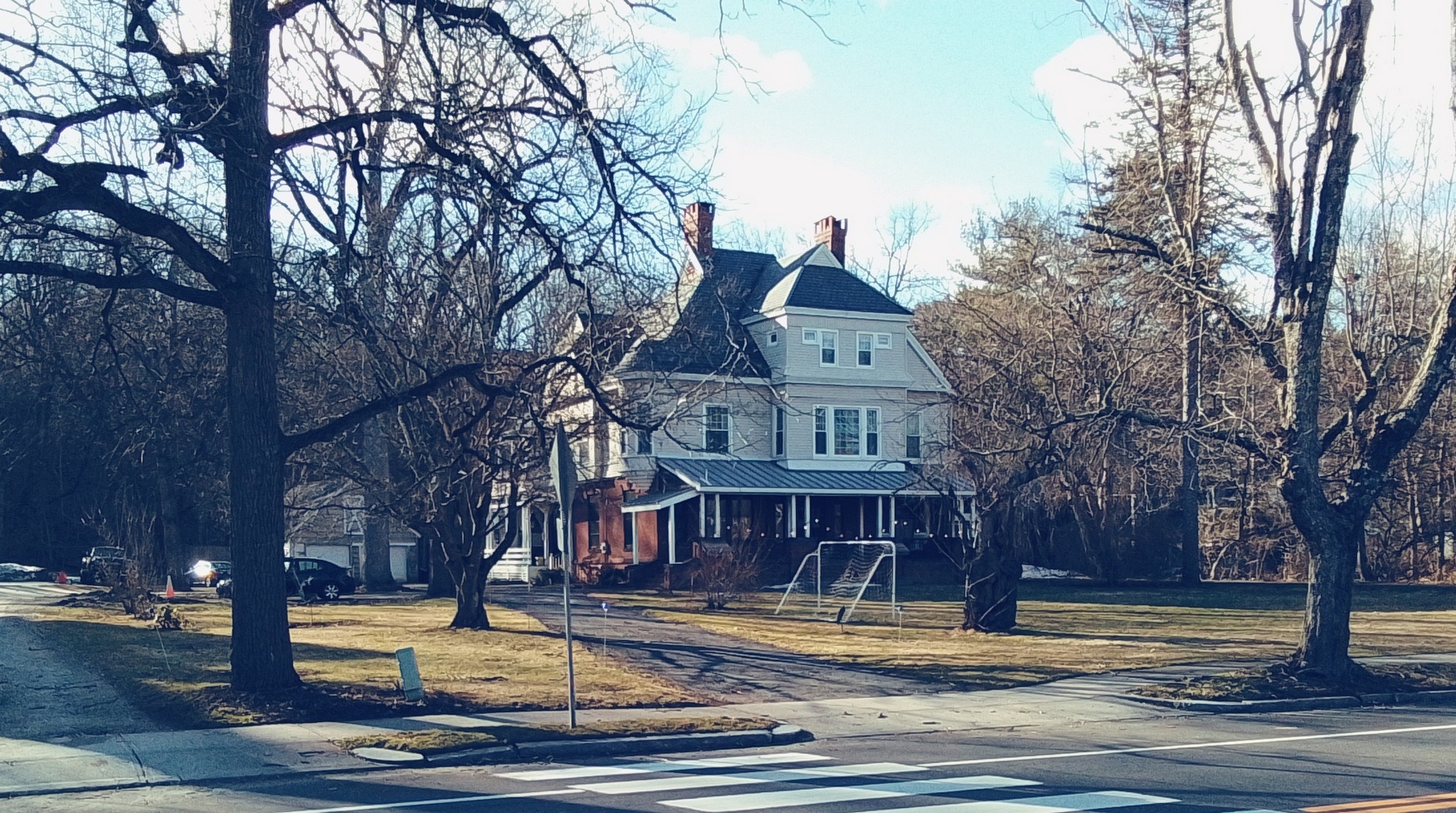
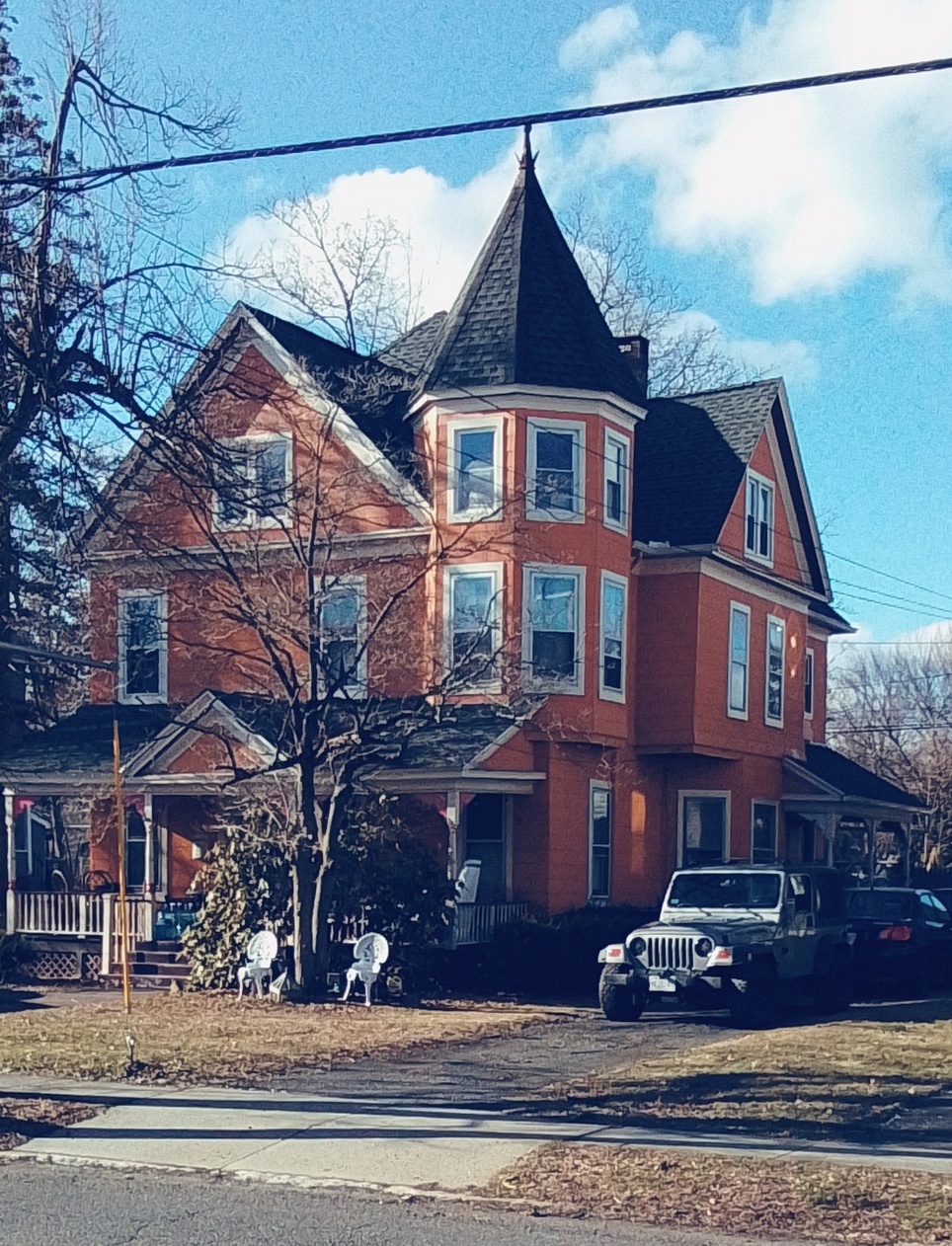
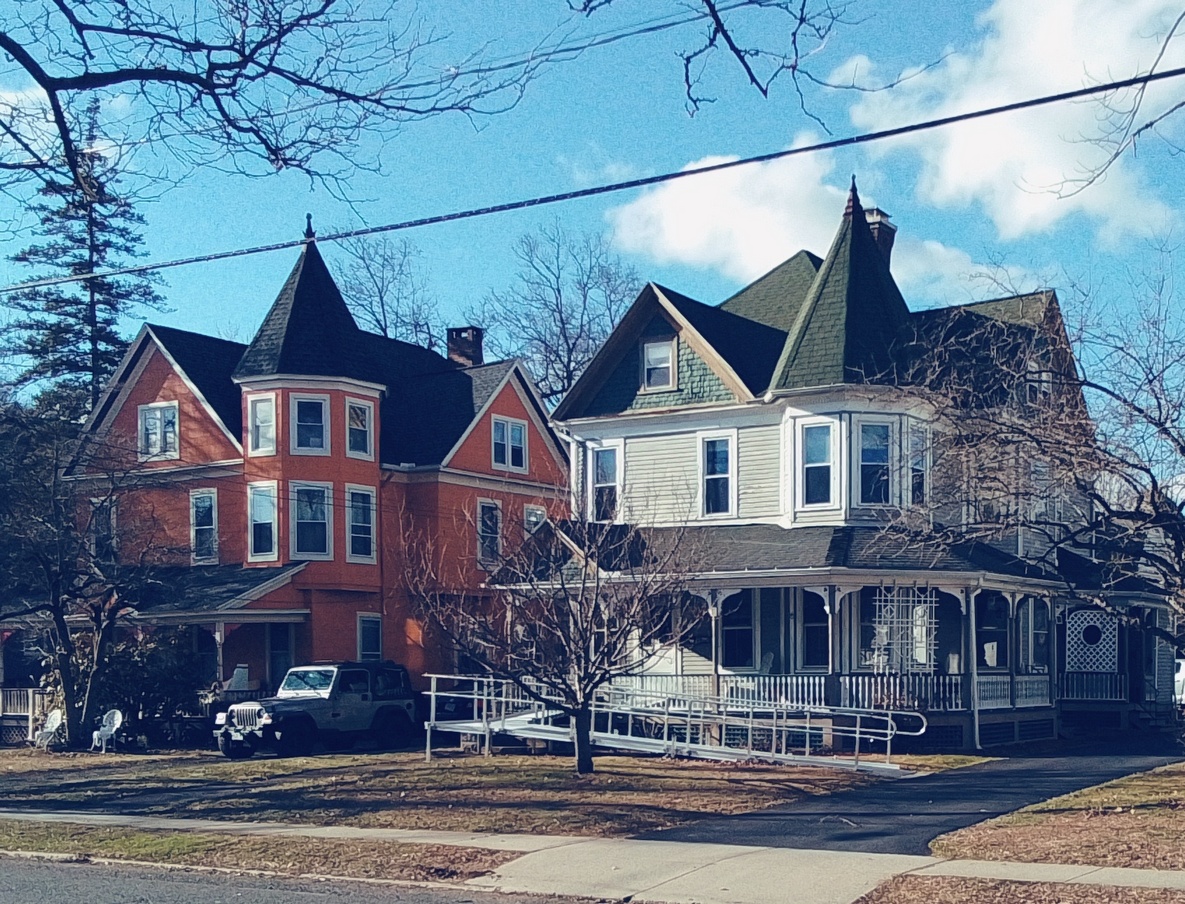
At the top of the street, the Johnson houses are side by side. Robert’s house is to the right and his son’s Charles’ house is to the left. They owned an insurance company on High Street. His house is my 5th installation of my series called A House in Holyoke through Time. HOUSE
At 175 Lincoln Street – Peter Sinclair – treasurer at a gas heat shop
At 171 Lincoln Street – Fred Cook – civil engineer for the canals
At 165 Lincoln Street – William Powers – ENT medical doctor
At 161 Lincoln Street – Albert Sickman – hydraulic engineer for the canals
At 157 Lincoln Street – Rolla Kelton – owned a provision firm
stop 14 – 151 Lincoln Street – Dwight Kelton – owned a provision firm
it is from 1880
stop 15 – Charles Alderman
At 147 Lincoln Street is the Alderman house from 1895. Charles worked as a superintendent of the Hampden Glaze Paper Company. This is in the shingle style.
At 141 Lincoln Street in the Queen Anne style – Edward Gorman a real estate agent
At 135 Lincoln Street – Harry Kennedy
At 131 Lincoln Street – George Callahan
stop 16 – William B Whiting
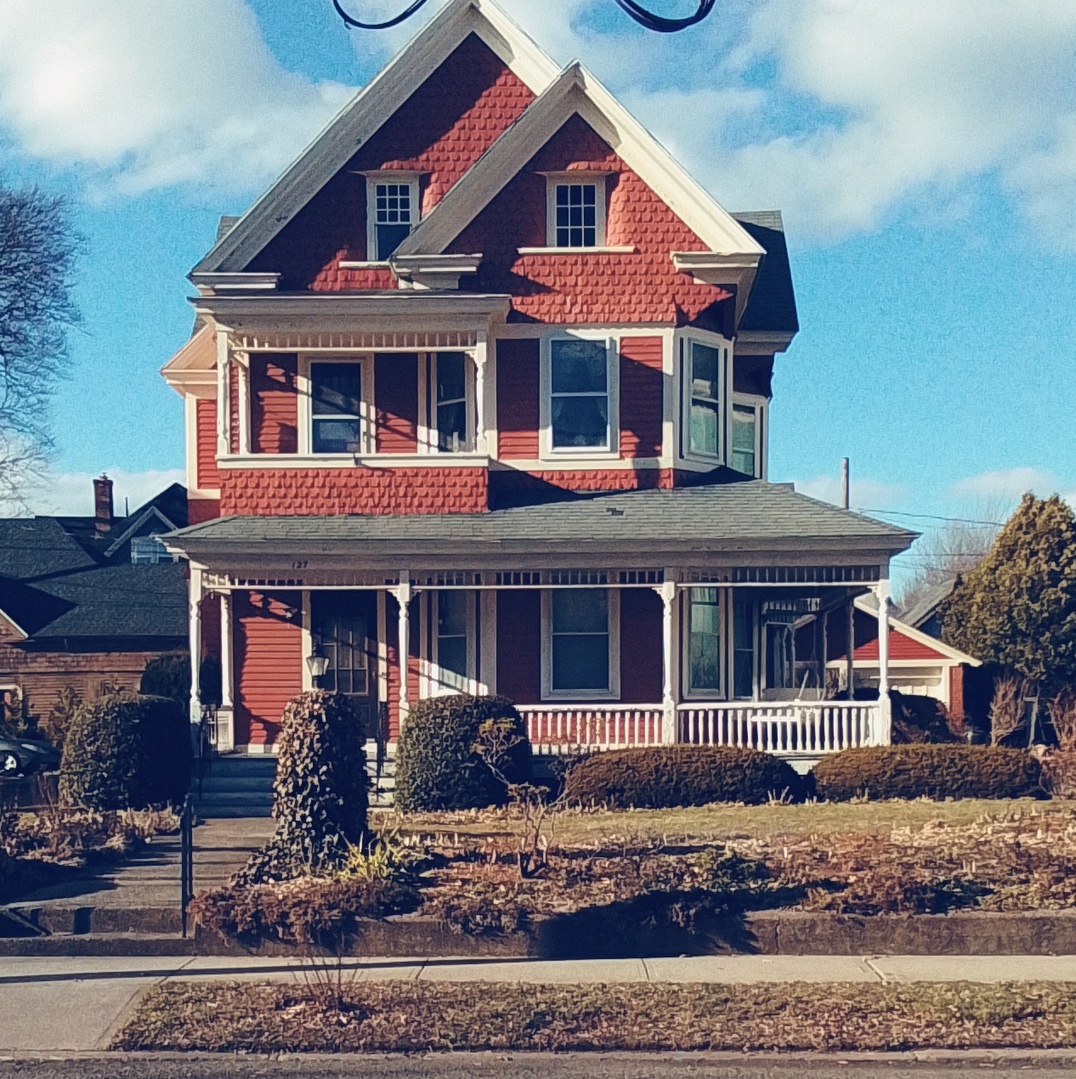
William B Whiting was at 127 Lincoln Street and is from 1894 – The Whiting family owned many enterprises in Holyoke and served the city in many ways. William B Whiting owned a coal business in the city and his son owned a large paper mill. The house is in a shingle style.
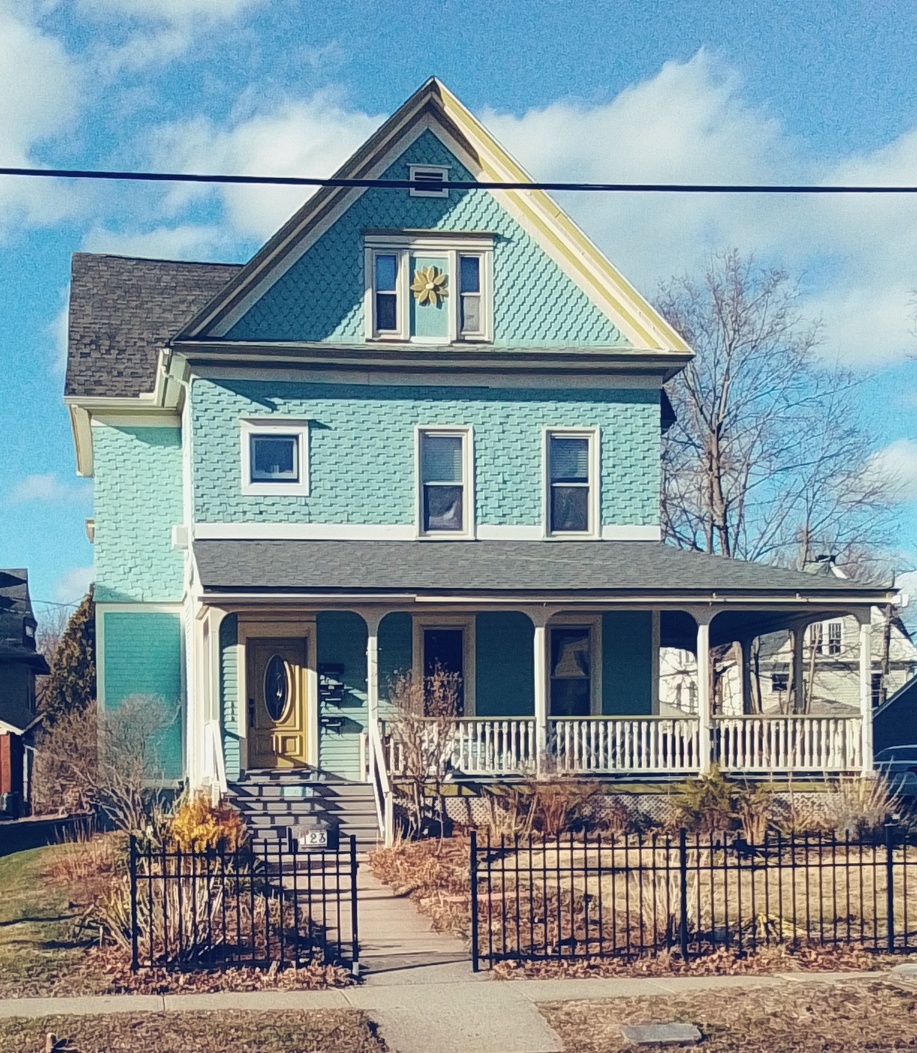
at 123 Lincoln Street is a shingle style – George Doane
at 119 Lincoln Street – Harriet Lamb
at 115 Lincoln Street is a Queen Anne – George Craig
stop 17 – John Bishop
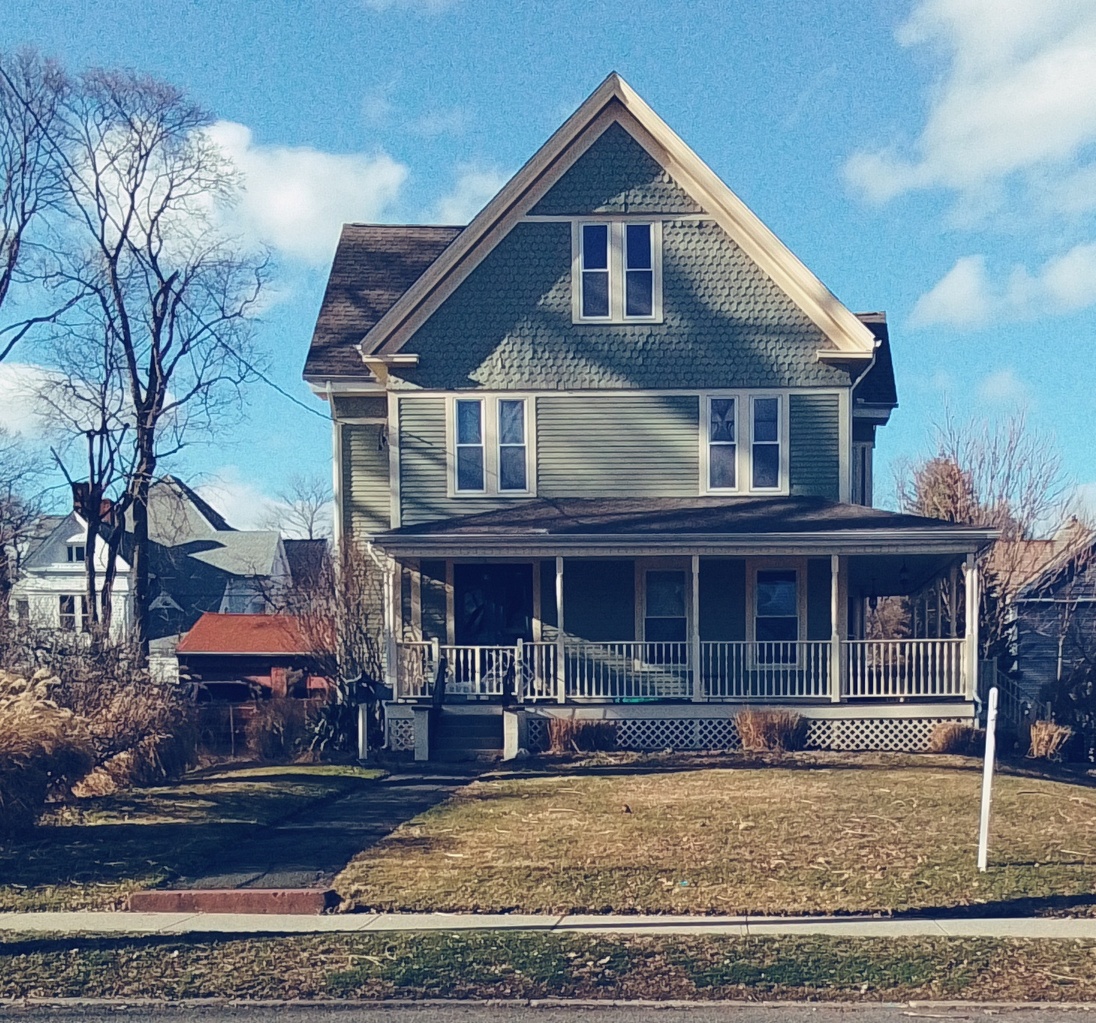
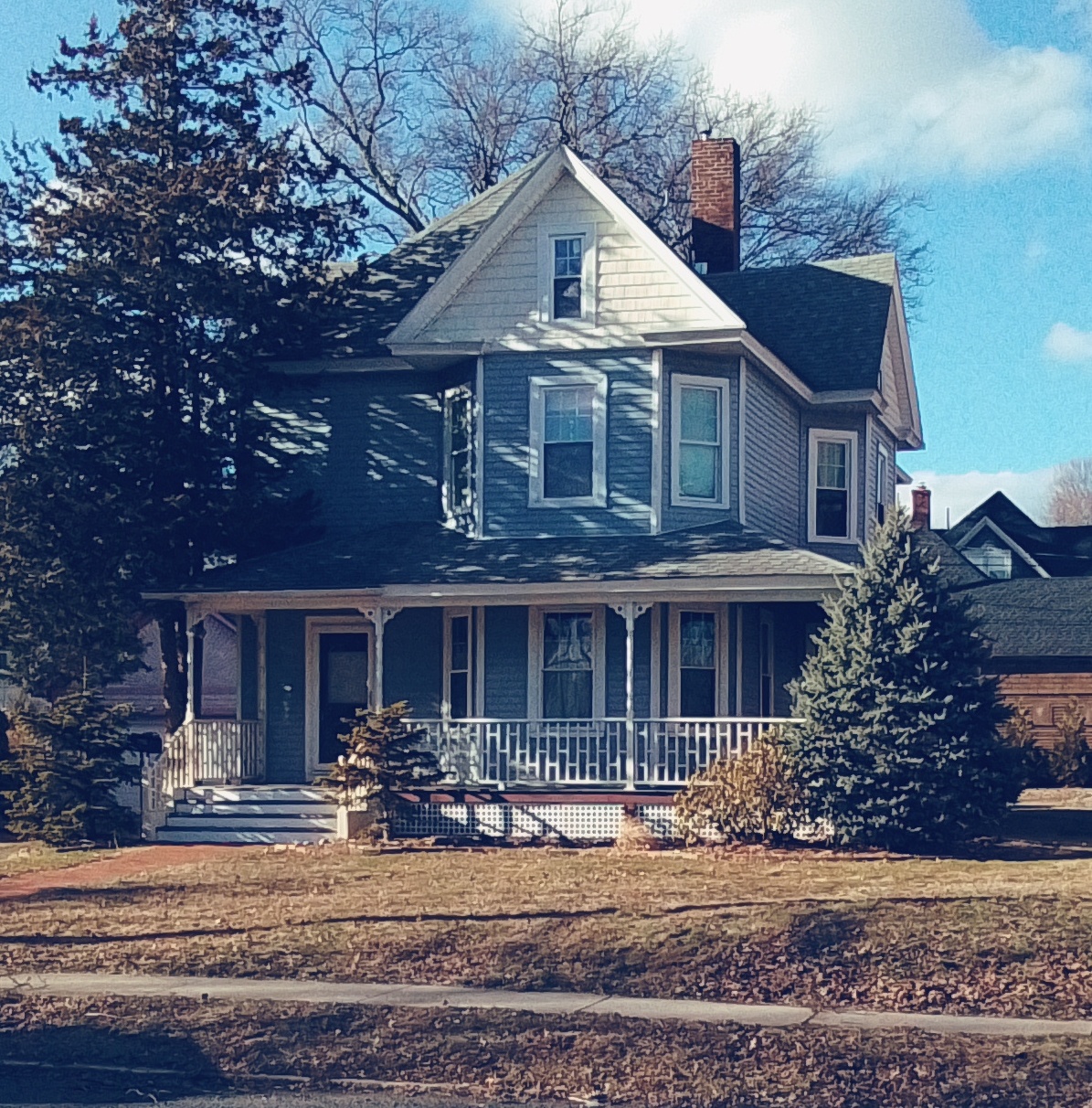
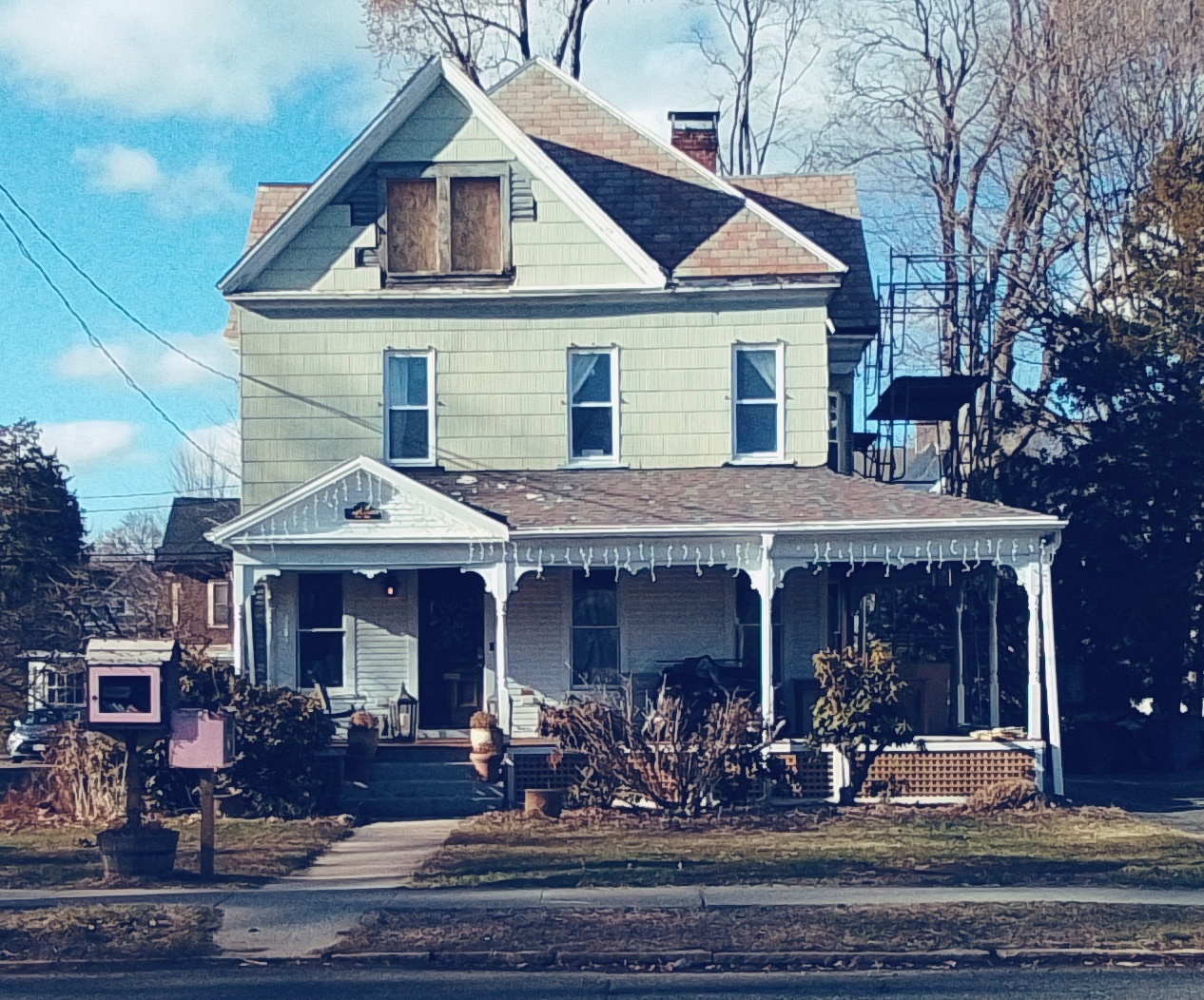
111 Lincoln Street is from 1896. John Bishop was a goods dealer on High Street. Find the Bishop Block here – LINK – The house is a Queen Anne with a wrap around porch.
at 103 Lincoln Street is a shingle Victorian – William Meecham
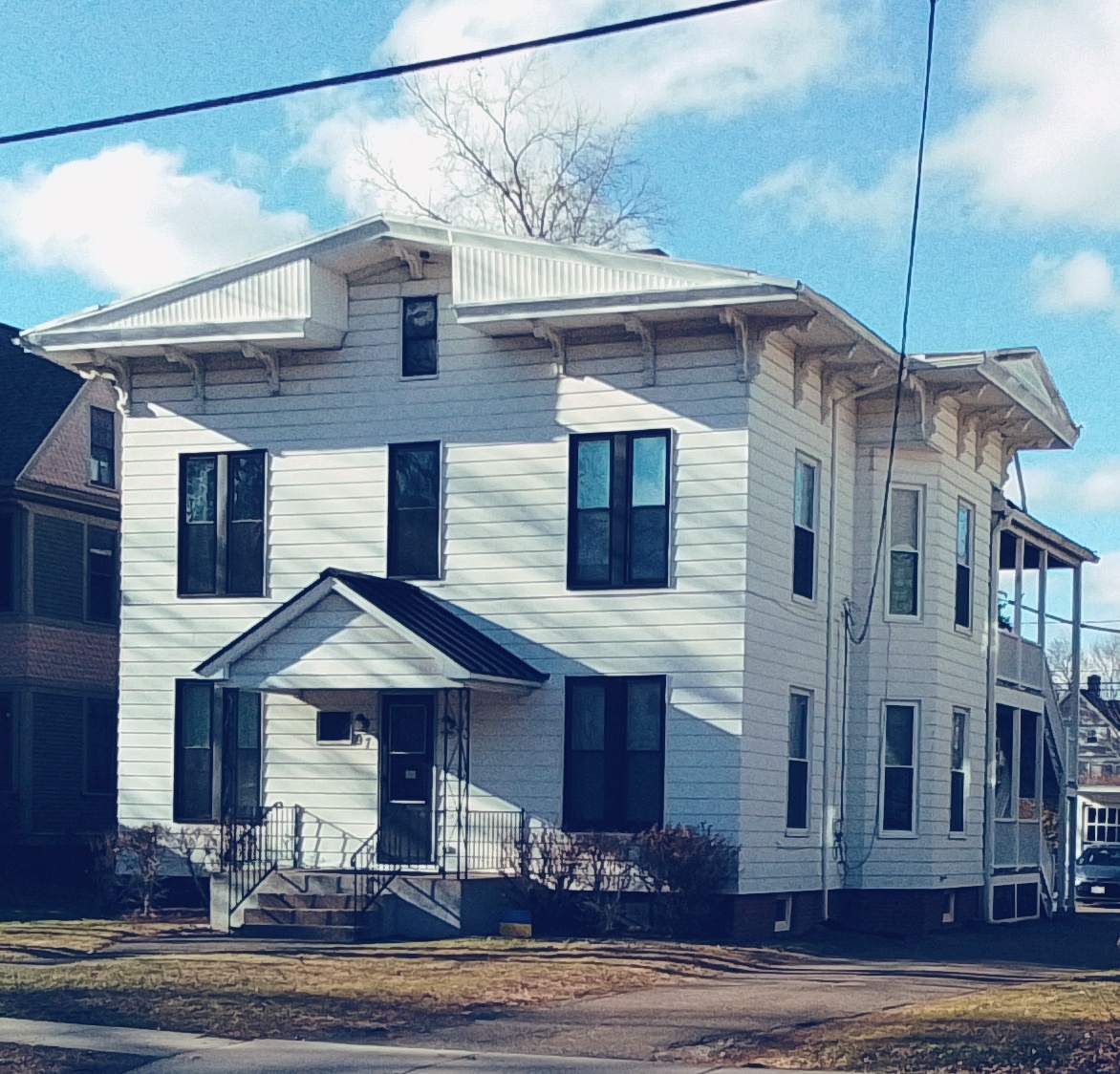
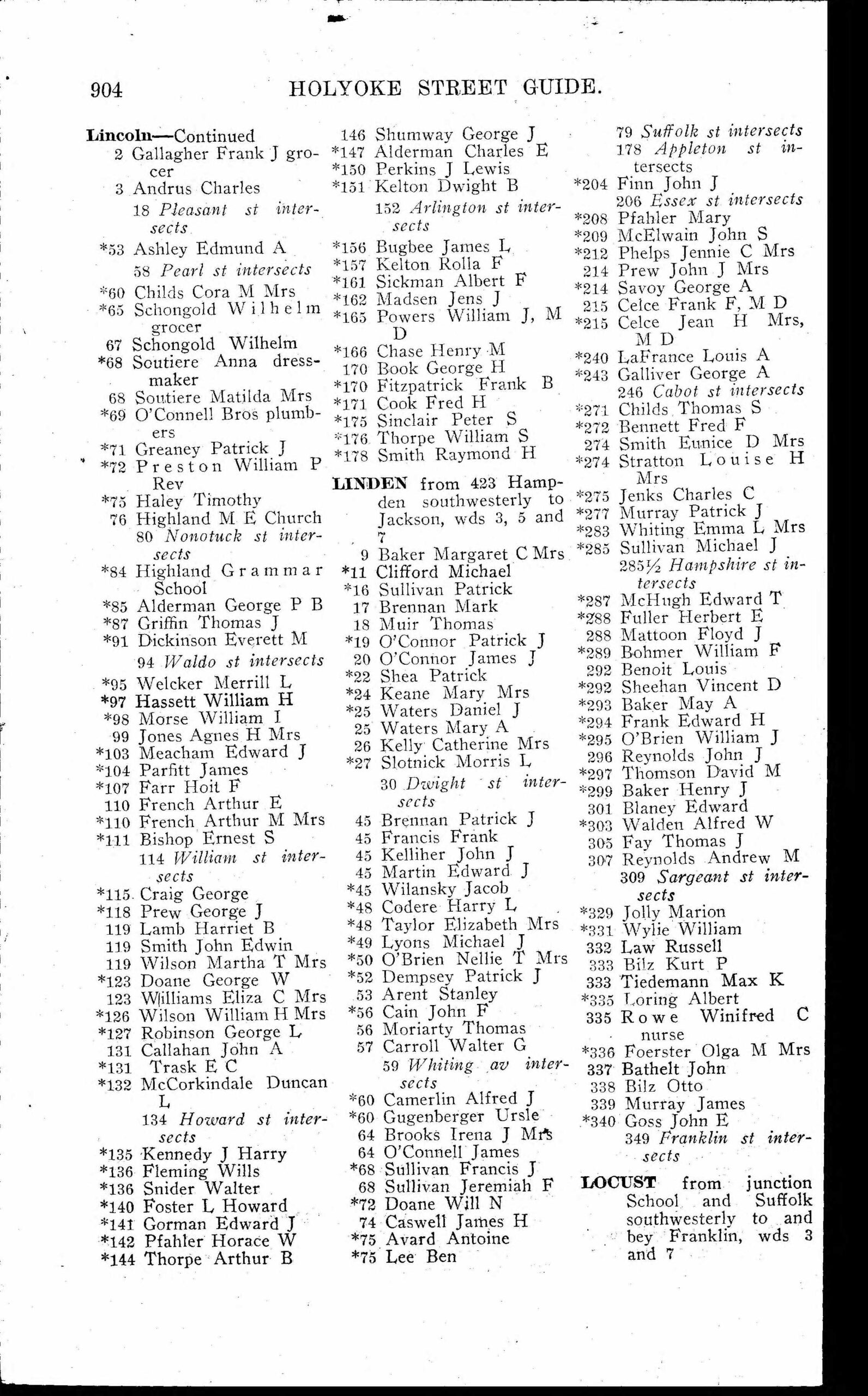
at 97 Lincoln Street – William Hassett
at 95 Lincoln Street:
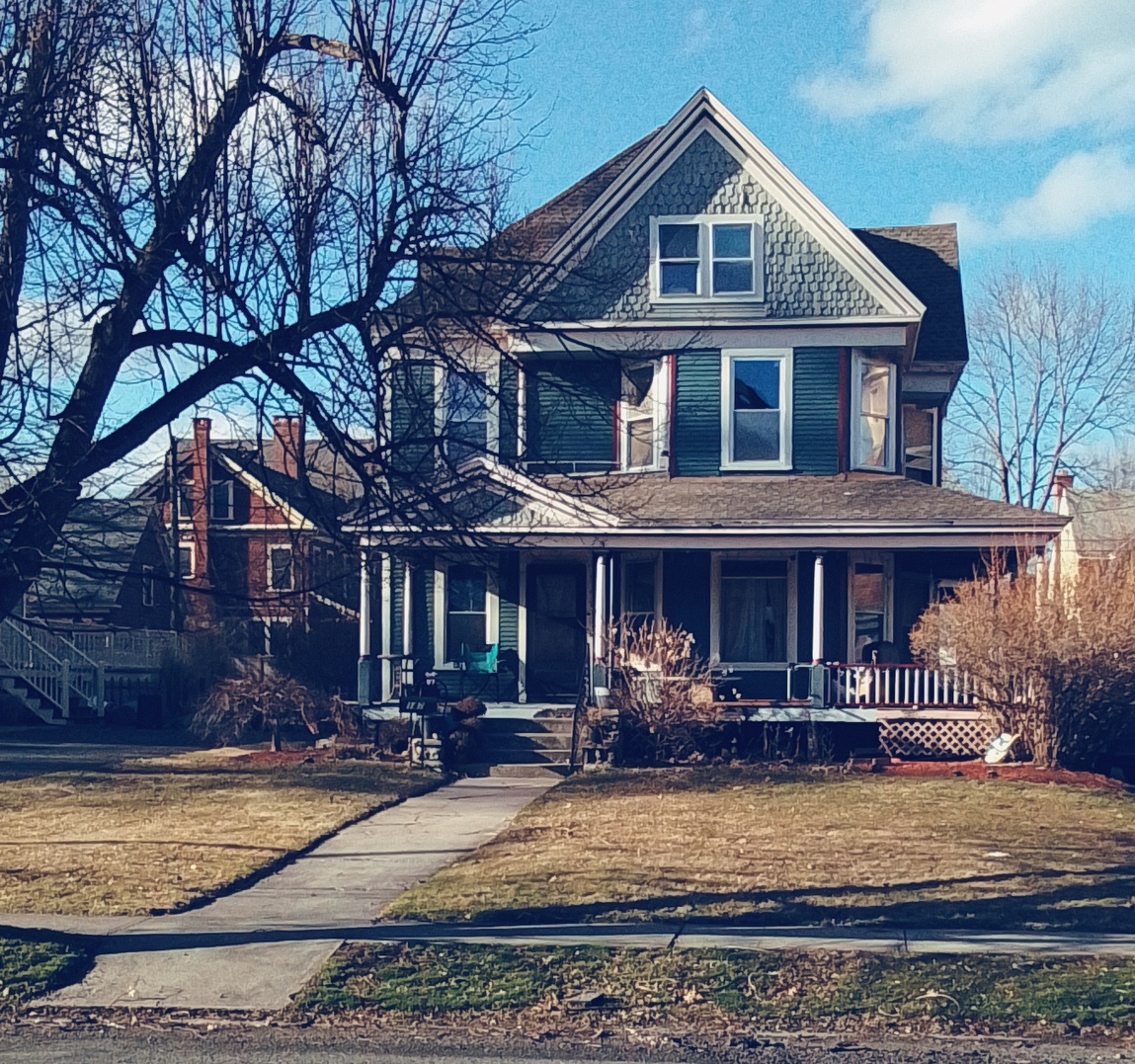
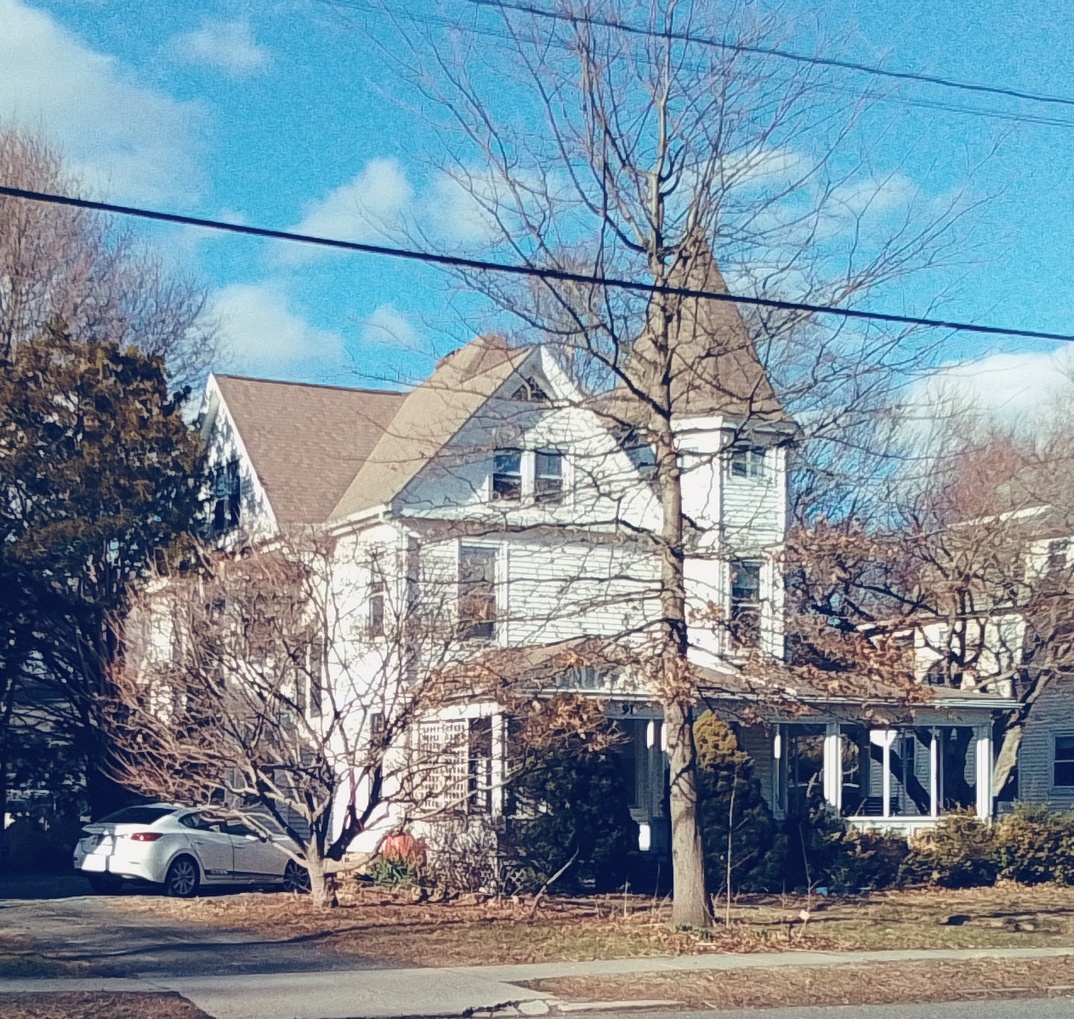
at 91 Lincoln Street is a Queen Anne – Everett Dickinson lived here
And now we are back to the park.
There once was a street throught the present day Stop and Shop that was only a dirt road and perhaps thought to be temporary. It was called Washington Street. It ran between Lincoln and Hampden Streets. It might have been put into place in 1876.
Jeremiah Twomey – his burial was at first at the Immaculate Conception Churchyard and then he was moved here.
Father Lenz is here and can be found at FINDAGRAVE.
stop 3 – Babies
stop 4 – Paupers
M J D born 1862 and died 1921. This could be a Martin Dalton or a Mary Dept both of whom died in 1921 in Easthampton. Both buried in this cemetery and both about this age. Neither has a gravestone in the cemetery.
Once the cemetery had elevated plots. These have all been removed and good that they did since they would have had enough water erosion to knock the gravestones over.
stop 8 – Neighborhood
Across the street is the Everett Street Village. These homes were workers’ homes for the mill workers.
Easthampton was divided into two by Native American groups – Nashawannuck and Pascommuck. These were geographical names given by the Nonotuck tribe of the area. They built a fort along Fort Road in 1664.
Immaculate Conception Church Campus (Easthampton) is found on Adams Street. The first church was a wooden church that was erected in 1868 at the same site as the present church. A new church was completed in 1883 but it burned before it could be used. In 1884 this present church was made (dedicated August 15 1884). This church is in the neo-Gothic style.
The Immaculate Conception Church was a mission church of the Northampton church since 1868 under P V Moyce (pastor in Northampton).
The first pastor was Jeremiah J Twomey. FINDAGRAVE – his original burial location was alongside the Immaculate Conception Church but when it was built into a larger masonry church, the burial had to be moved.
Third pastor was Richard Walshe FINDAGRAVE – The cemetery was established in about 1884 on Everett Street by Walshe. He was the pastor from 1878 to 1914 – 36 years.
The parish has a web SITE (external). They offer a traditional Latin mass.
At 21 Adams Street is the convent for the nuns. It was a home at first (1870s build) but Immaculate Conception purchased it. They owned it from 1915 to the late 1980s. The order of nuns that worked in the school here was the Sisters of Saint Joseph.
At 33 Adams Street is the rectory of the priests. It was built at some point in the late 1800s.
The parish is now called Our Lady of the Valley since it is a joining of many churches in town. This happened in 2010 with the joining of Notre Dame du Bon Conseil (Pleasant Street) and Sacred Heart of Jesus (Franklin Street) with the Immaculate Conception Church.
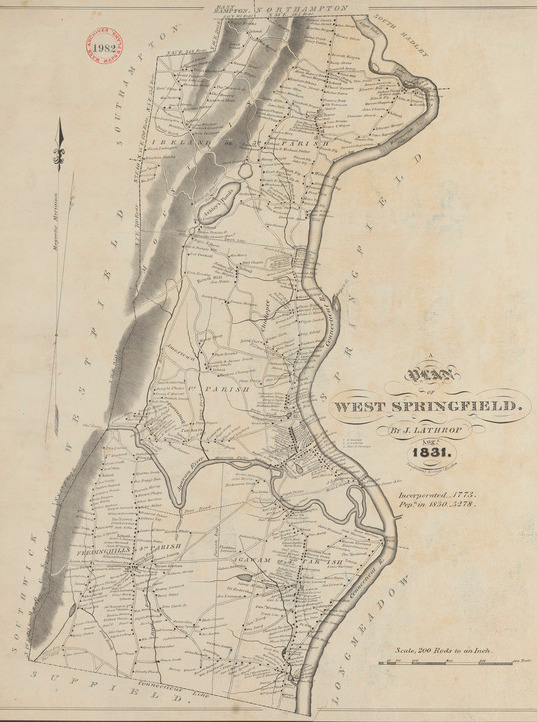
West Springfield is a canal community like many of the communities in Hampden County. The canal was completed in 1839 and was named the Agawam Canal. The community became a town in 1774. This location was settled in 1655. Agawam would separate in 1855 and Holyoke in 1850.