
Lincoln Street of Holyoke has many pretty houses. A tiny bit of lower Lincoln Street was put into place in 1876 but the major part of Lincoln was put into place from 1878. This segment was 2469 feet long and ran from Taylor to Northampton Street. It would then be graded for the first time on July 26 1889.
The best manner to tour this street is to start at Kennedy Park. At the southeast corner of the park is the former Highlands Methodist Episcopal Church.
stop 1 – Highlands Methodist Episcopal Church
read stop 9 at this LINK
stop 2 – Kennedy Park
stop 3 – Azro Coburn house

A one block walk up Lincoln Street from the park in a westerly direction is a fine way to view some nice homes. At 98 Lincoln Street is the Azro Coburn house from 1908. He owned the Coburn Trolley Company in Chicopee that made many of the tracks in this city.
stop 4 – James Ramage

At 104 Lincoln Street is the James Ramage house from 1895. He would own the Franklin Mill.
stop 5 – At 110 Lincoln Street is an 1880 home – Arthur French

[Williams Street crosses here.]
stop 6 – John Williams

At 118 Lincoln Street is the John Williams house from 1893. This is a Queen Ann Victorian home. John was a carpenter and painter with Doane in a Holyoke store. They started the Doane and Williams paint store.
stop 7 – William Wilson
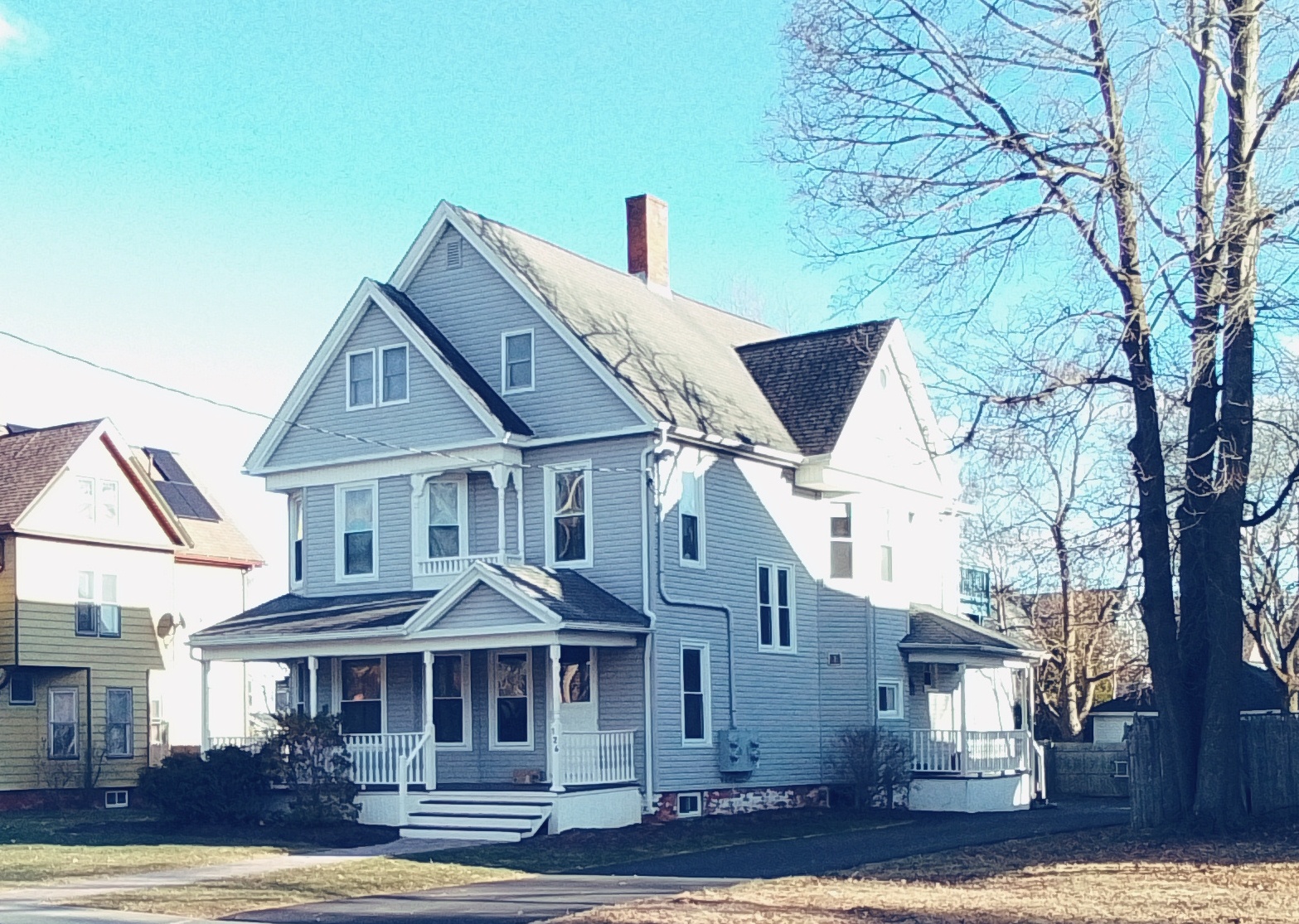
At 126 Lincoln Street we find the William Wilson house from 1894. He was a papermaker at the Wilson and Smith Paper Mill.
stop 8 – Duncan McCorkindale
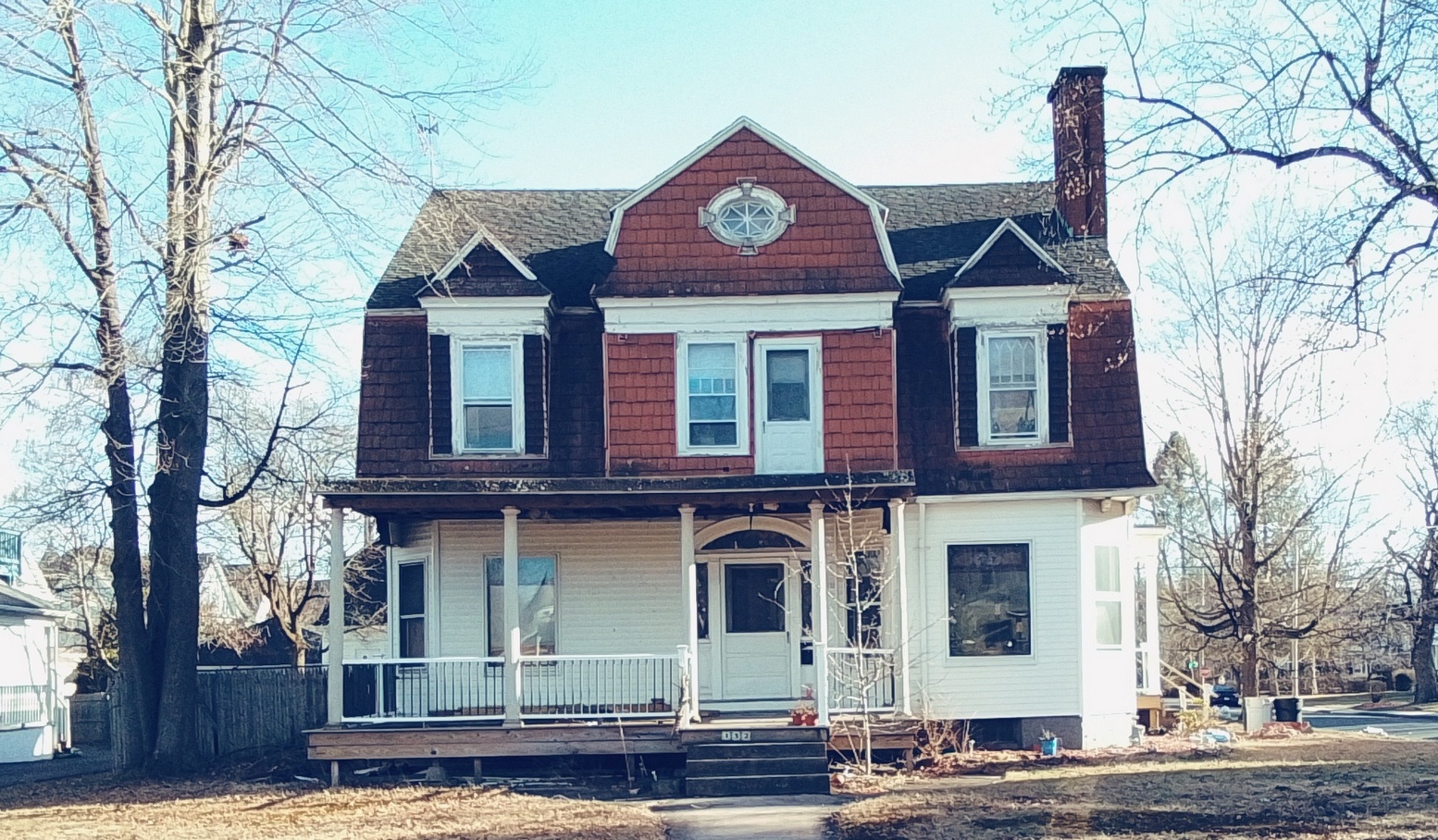
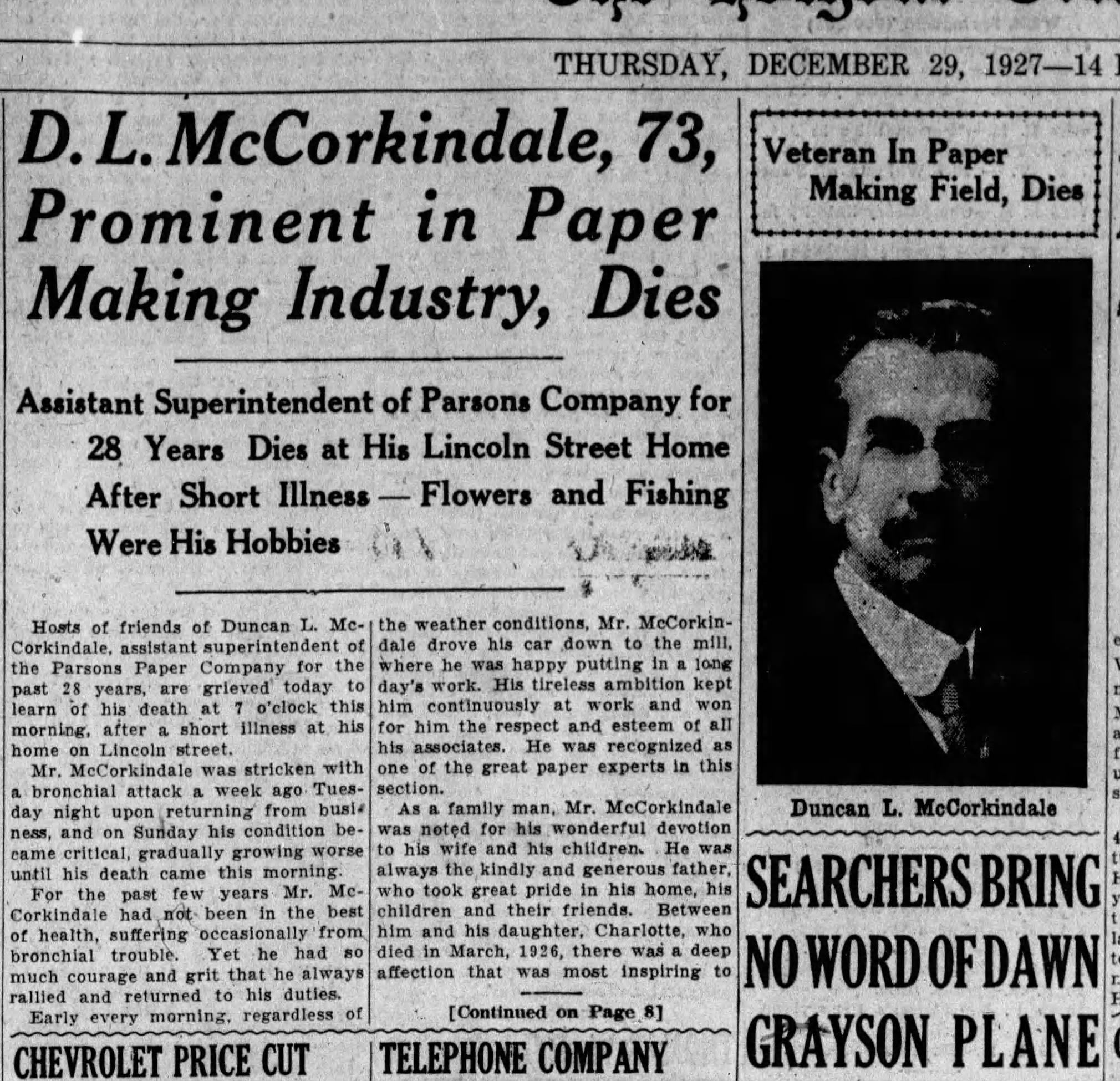
At 132 Lincoln Street is the Duncan McCorkindale house from 1894. He was a worker at the Parsons Paper Mill and from 1902 until in the 1930s his family lived here. FINDAGRAVE
[Howard Street crosses here.]
stop 9 – Robert Sanderson
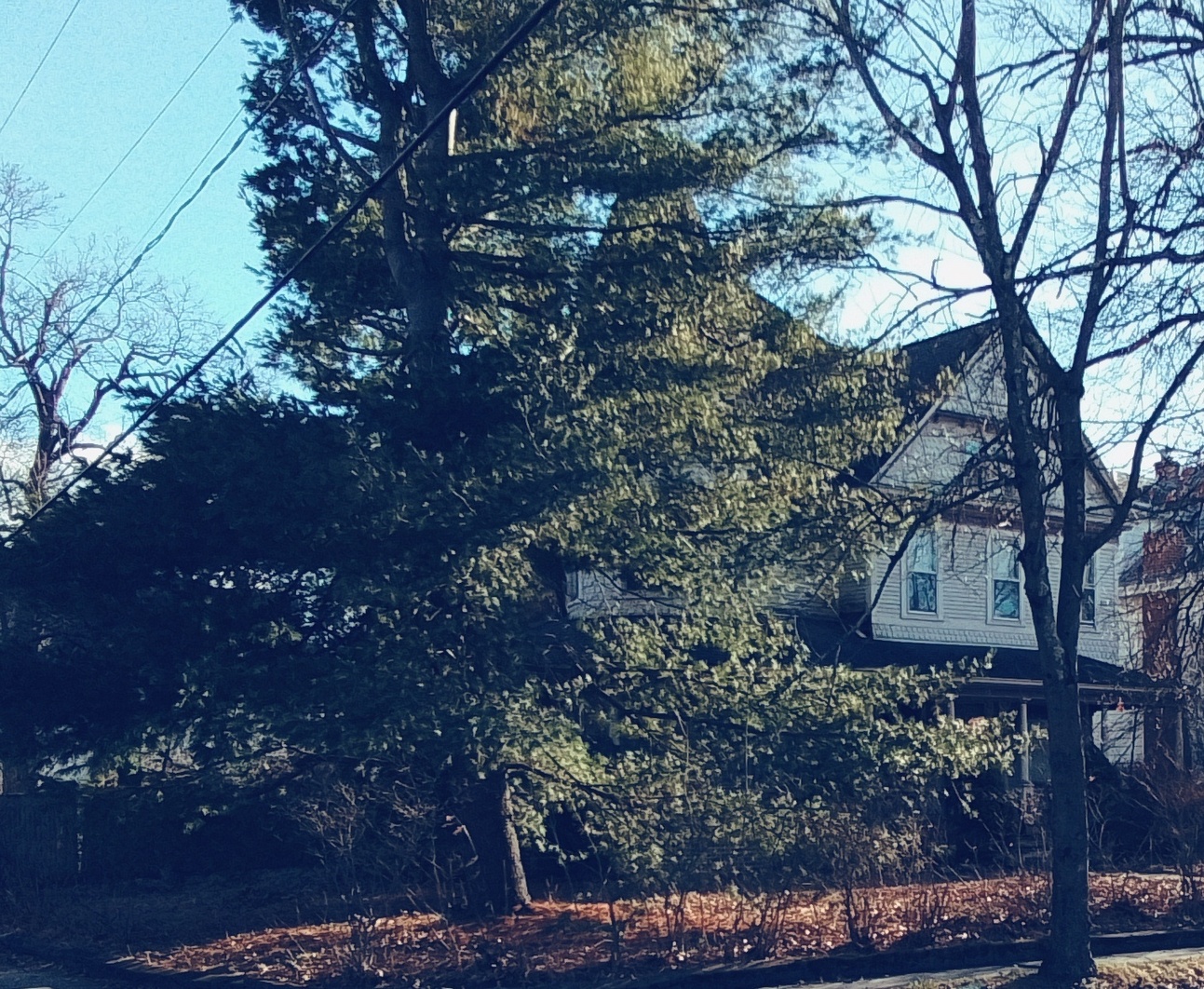
At 136 Lincoln Street in 1895 the Robert Sanderson house was built. This is a shingle style Victorian house. Sanderson was a grocer.
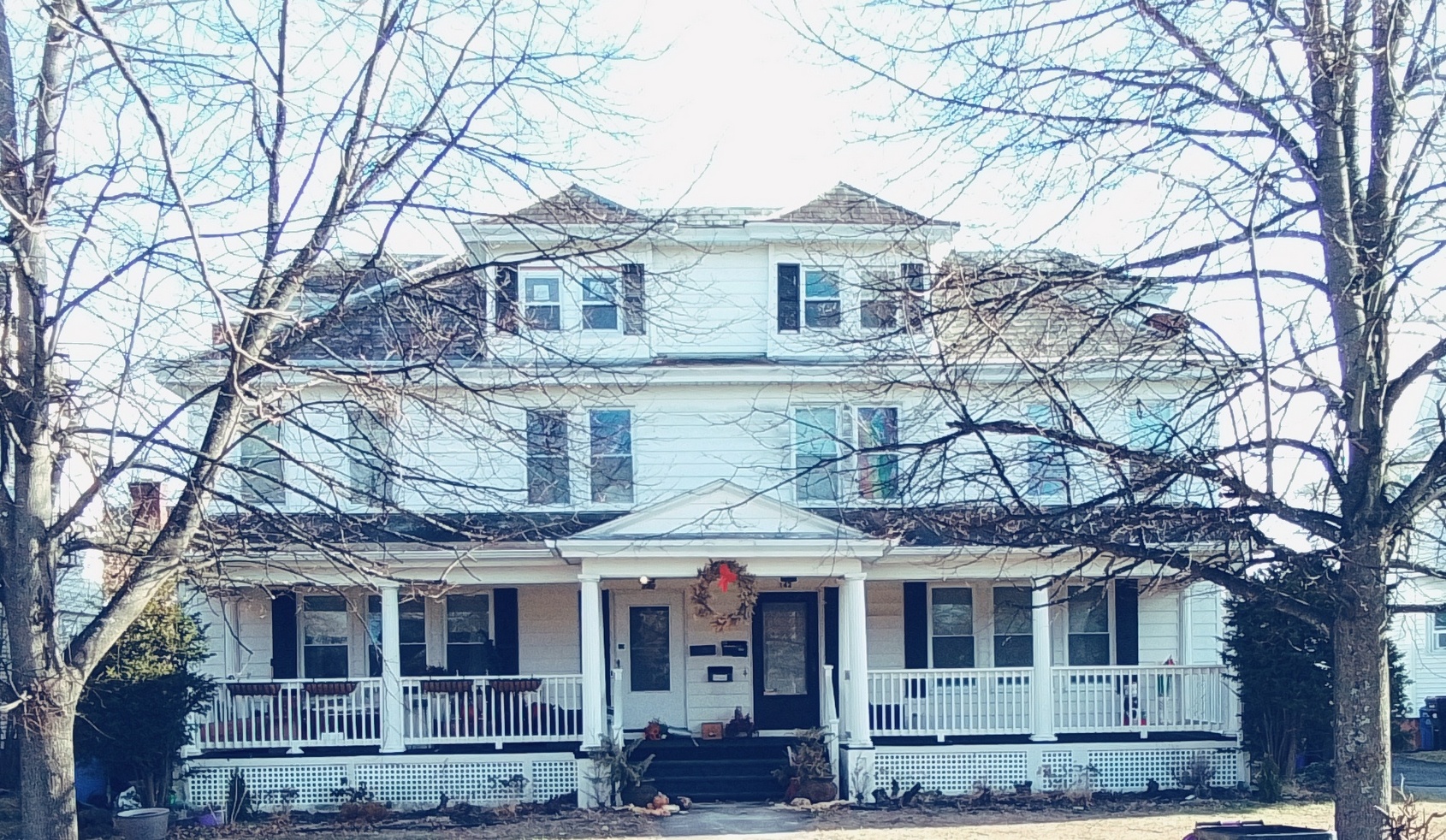
At 140 / 142 Lincoln Street about 1910 – L Howard Foster and Horace Pfahler
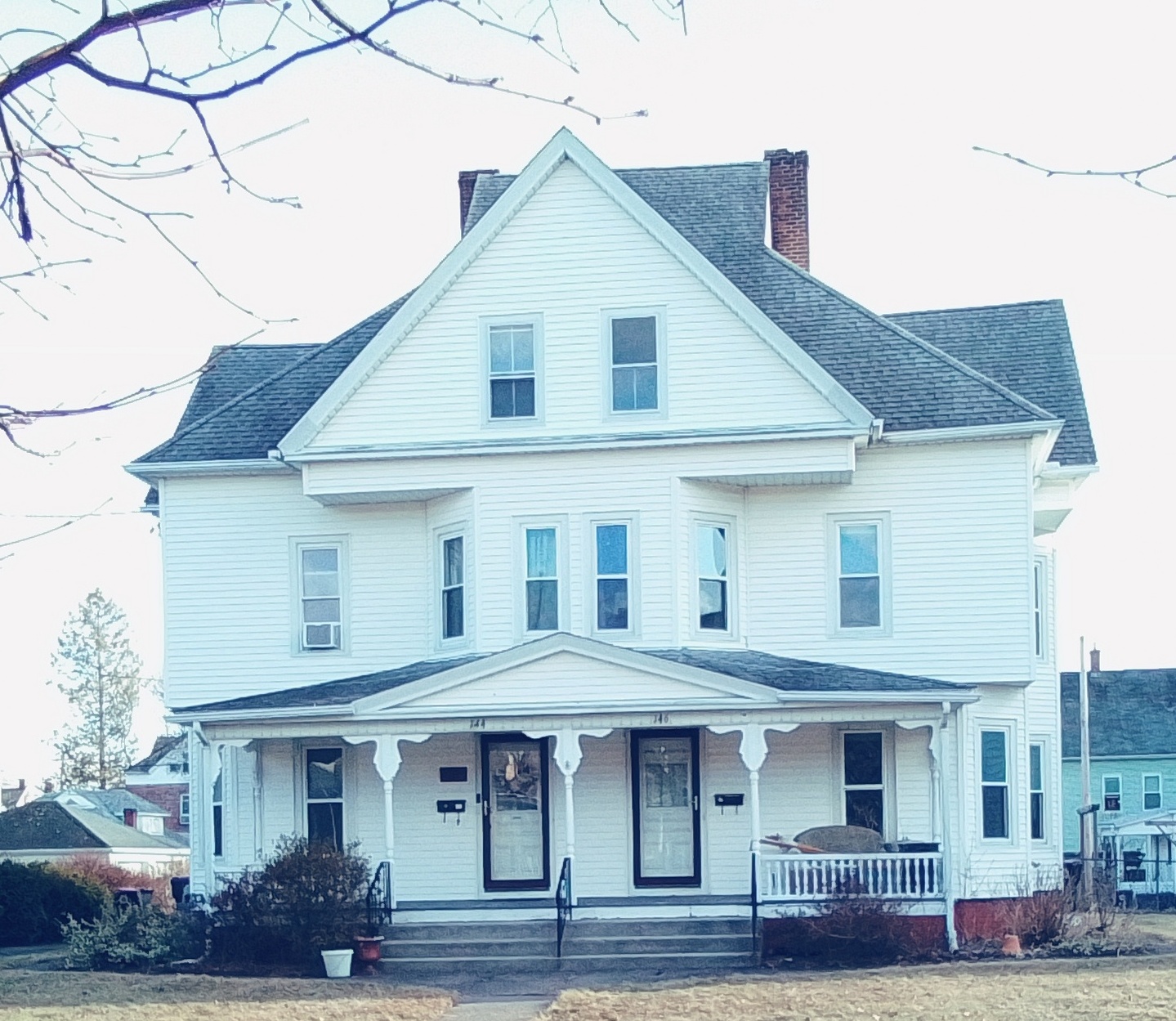
and at 144 / 146 Lincoln Street about 1910 – George Shumway was a shoe dealer and Arthur Thorpe was a superintendent at a paper mill
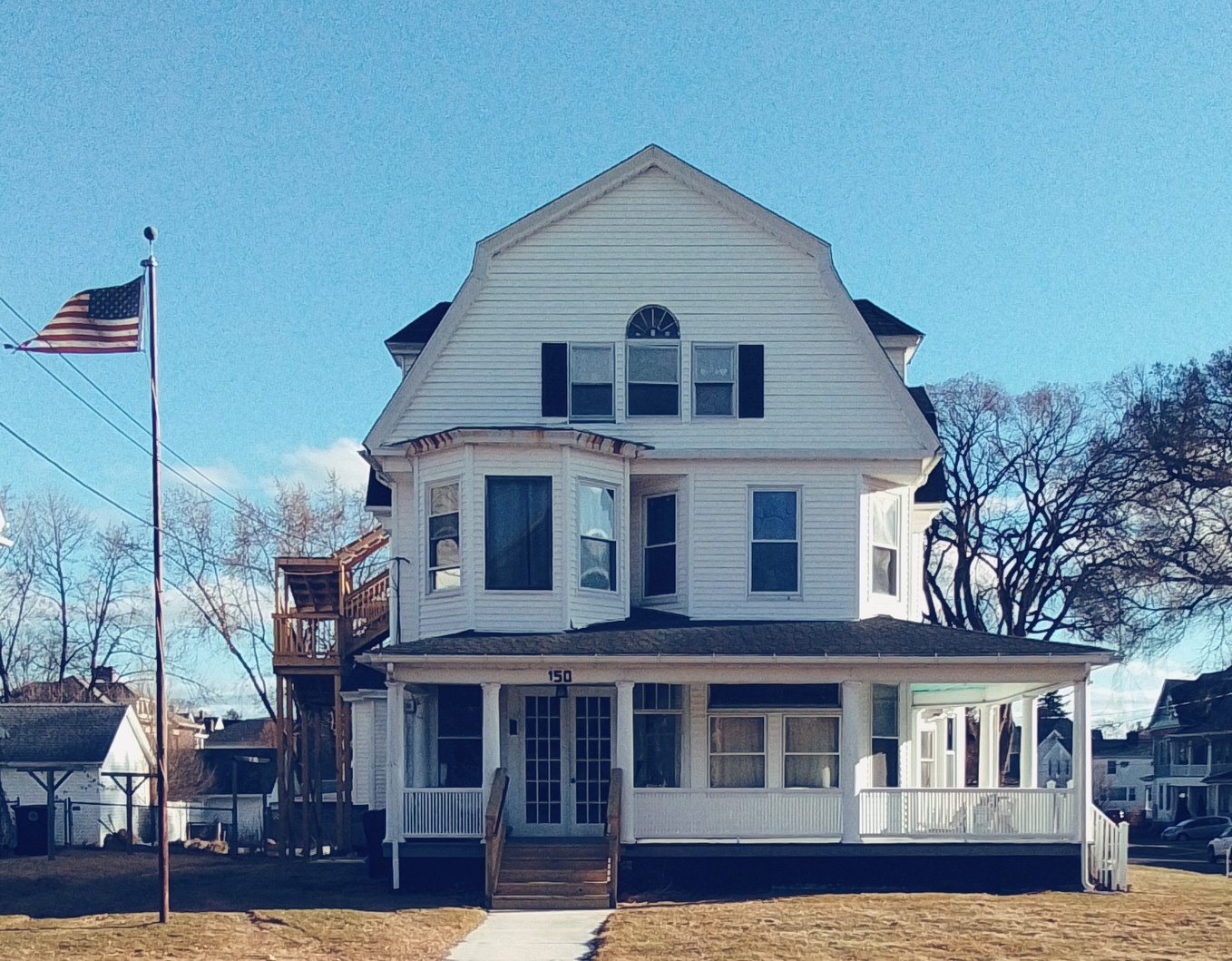
and at 150 Lincoln Street – John Lewis Perkins a paper maker
[Arlington Street crosses here.]
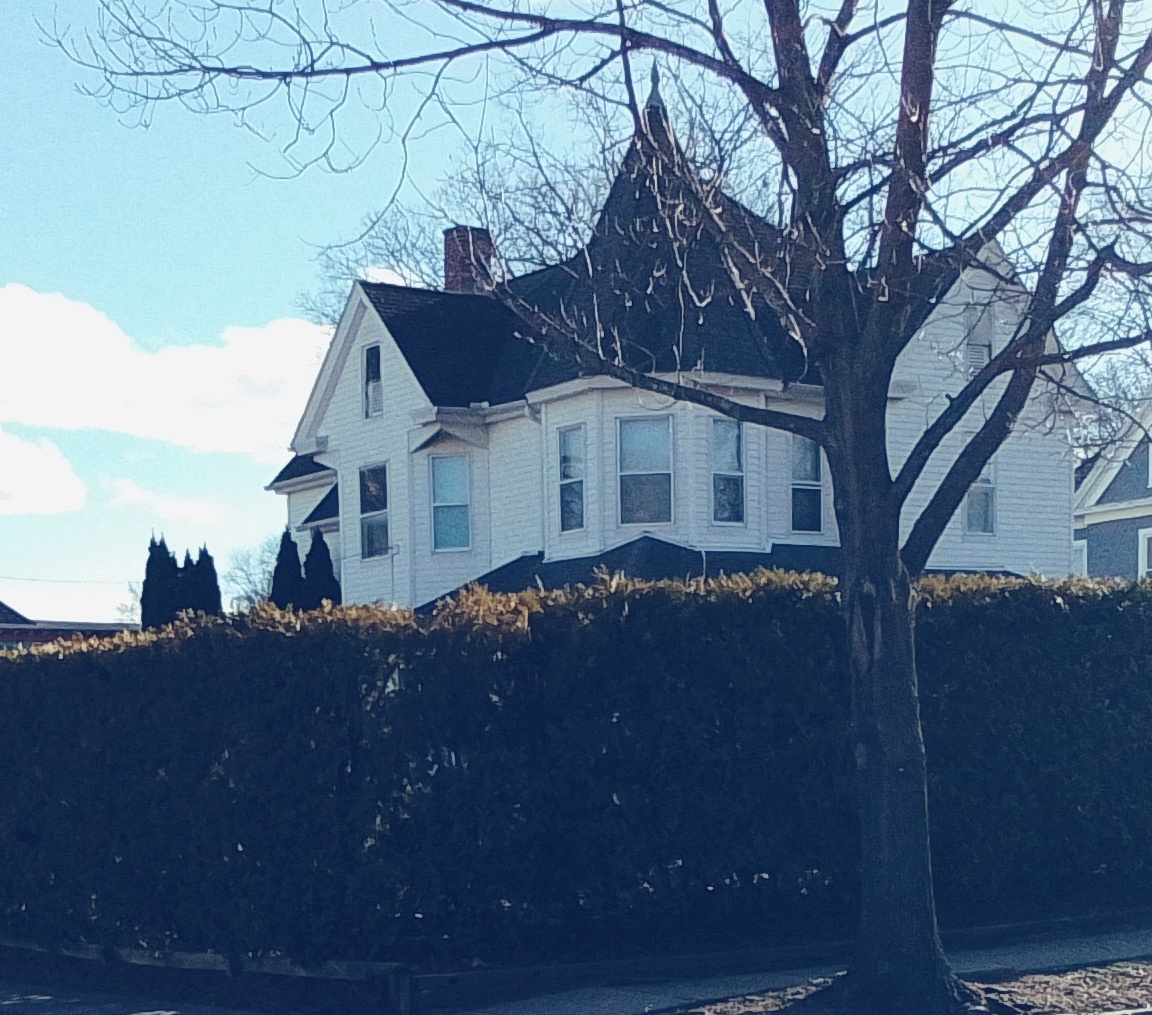
and at 156 Lincoln Street is a Queen Anne home – James Bugbee – superintendent at the American Thread Company
stop 10 – Jens Madsen
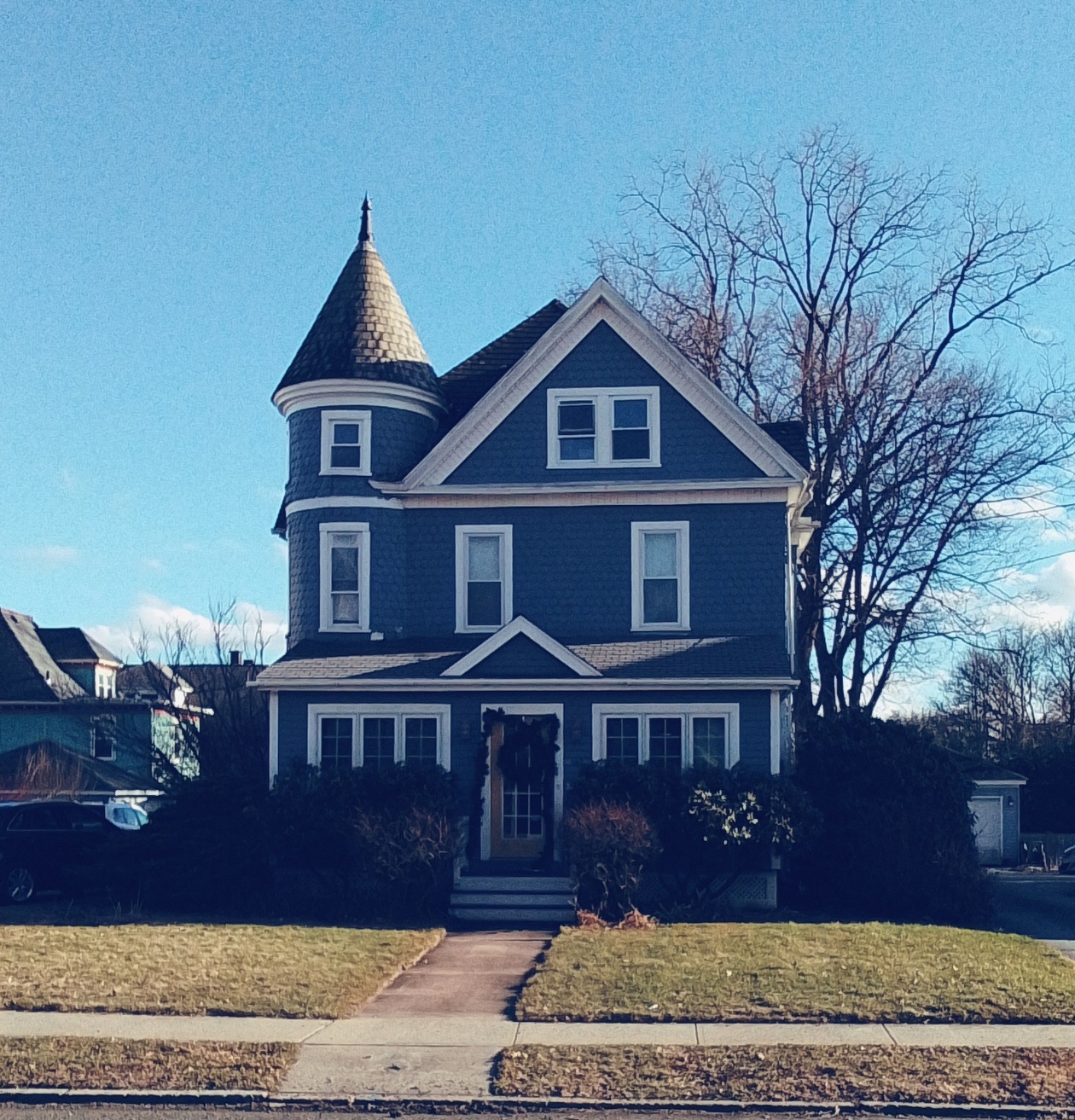
At 162 Lincoln Street from 1892 is the Jens Madsen house. He lived here from 1903 to well into the 1940s. For a very long time Madsen had a company called the Anker Printing. Madsen at first lived on Canal Street in South Hadley and was the town’s clerk. This is a shingle style Victorian house.
at 166 Lincoln Street is from 1900 – Henry Chase – machinist
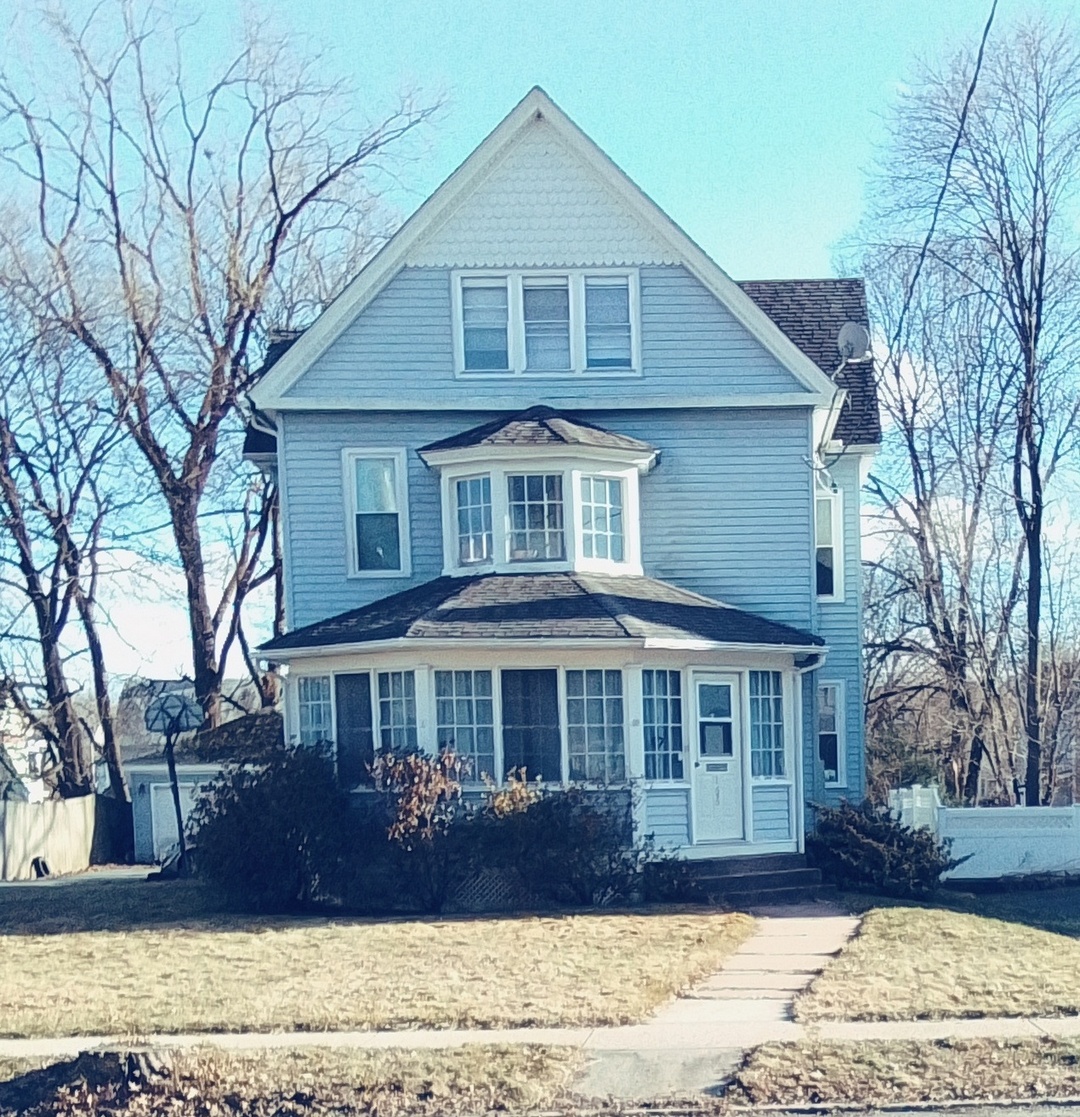
stop 11 – James Morrill
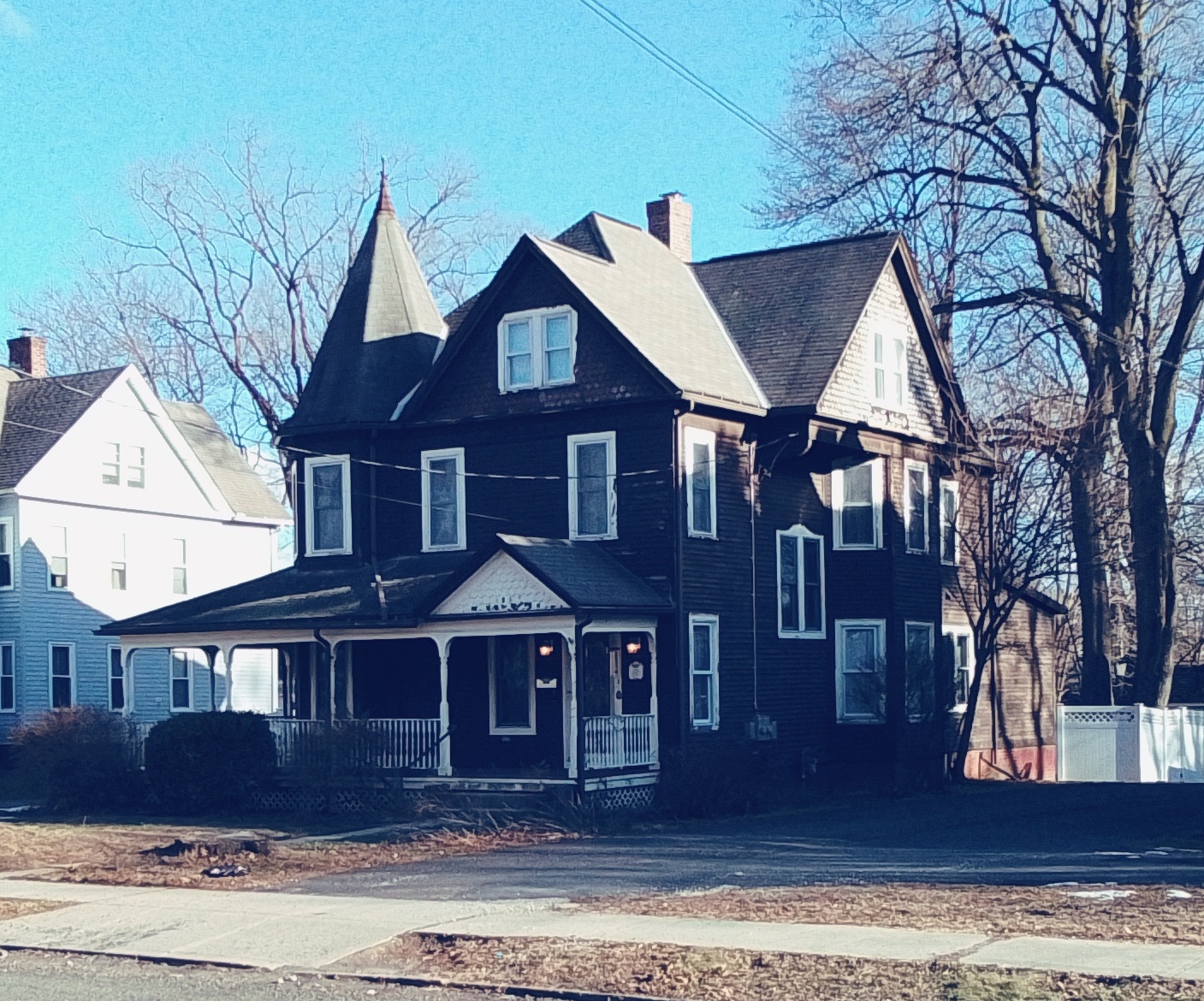
In 1892 at 170 Lincoln Street a nice Queen Anne house was built. James Morrill owned it. He owned a pharmacy on High Street. FINDAGRAVE
at 176 Lincoln Street is a 1910 house – William Thorpe – manager of a coal firm
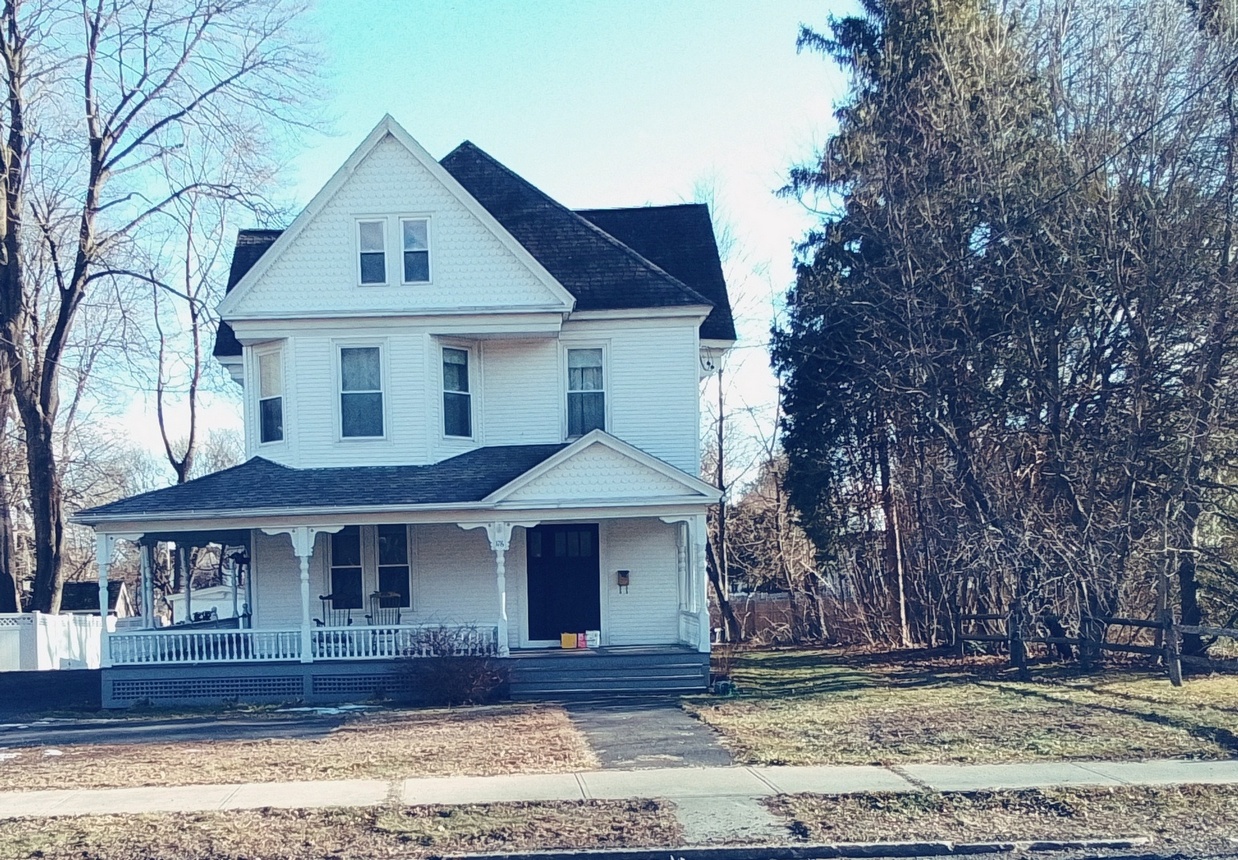
stop 12 – Trolley
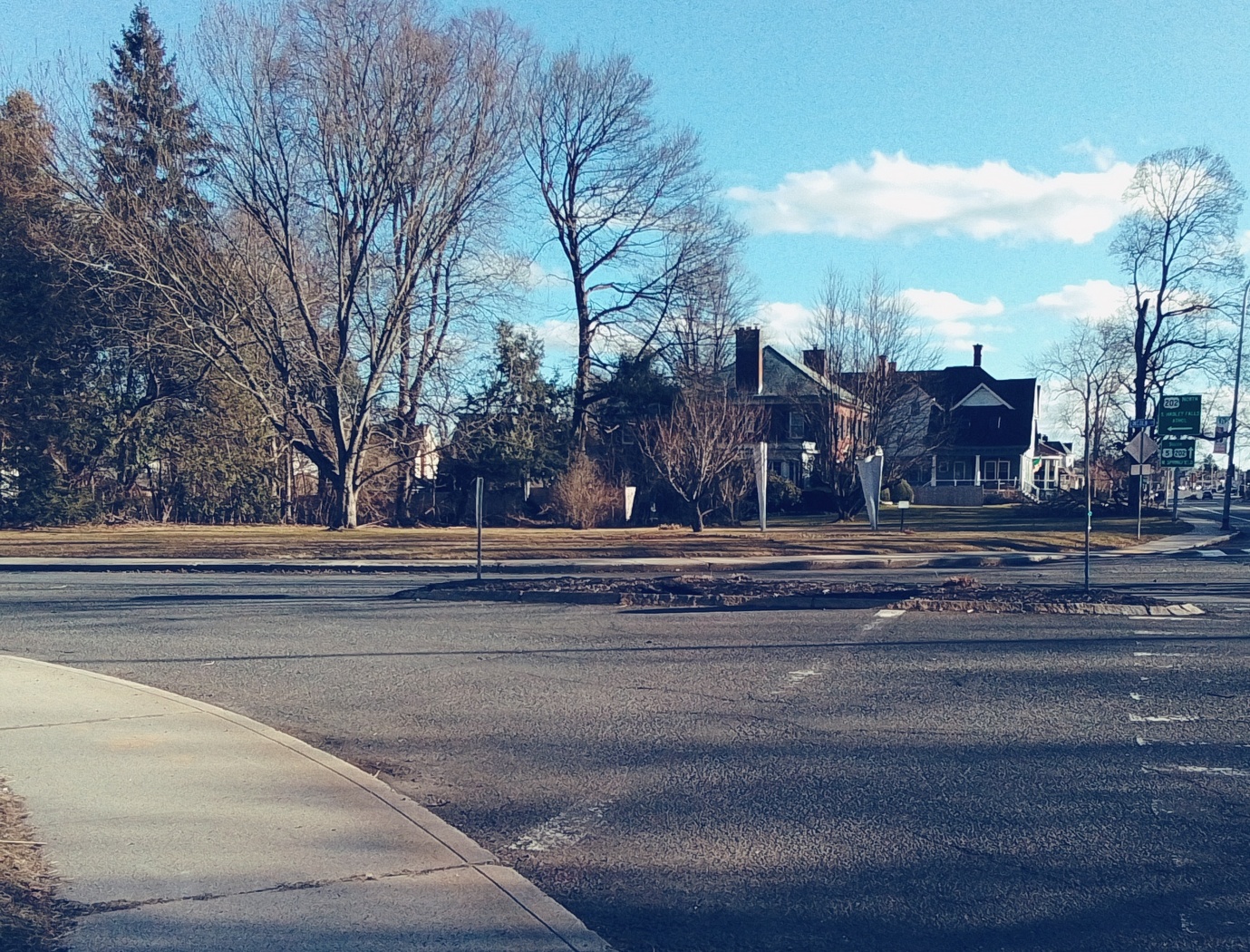
Notice the wide curved corner which is quite atypical of Holyoke’s streetscape. This is since the Highlands Trolley Line run along Lincoln Street. The trolley needed a wide curve and from the 1880s until 1917 it was wide but in that year it became even wider. And now let’s head back eastward on the outside of Lincoln Street.
stop 13 – Robert Johnson
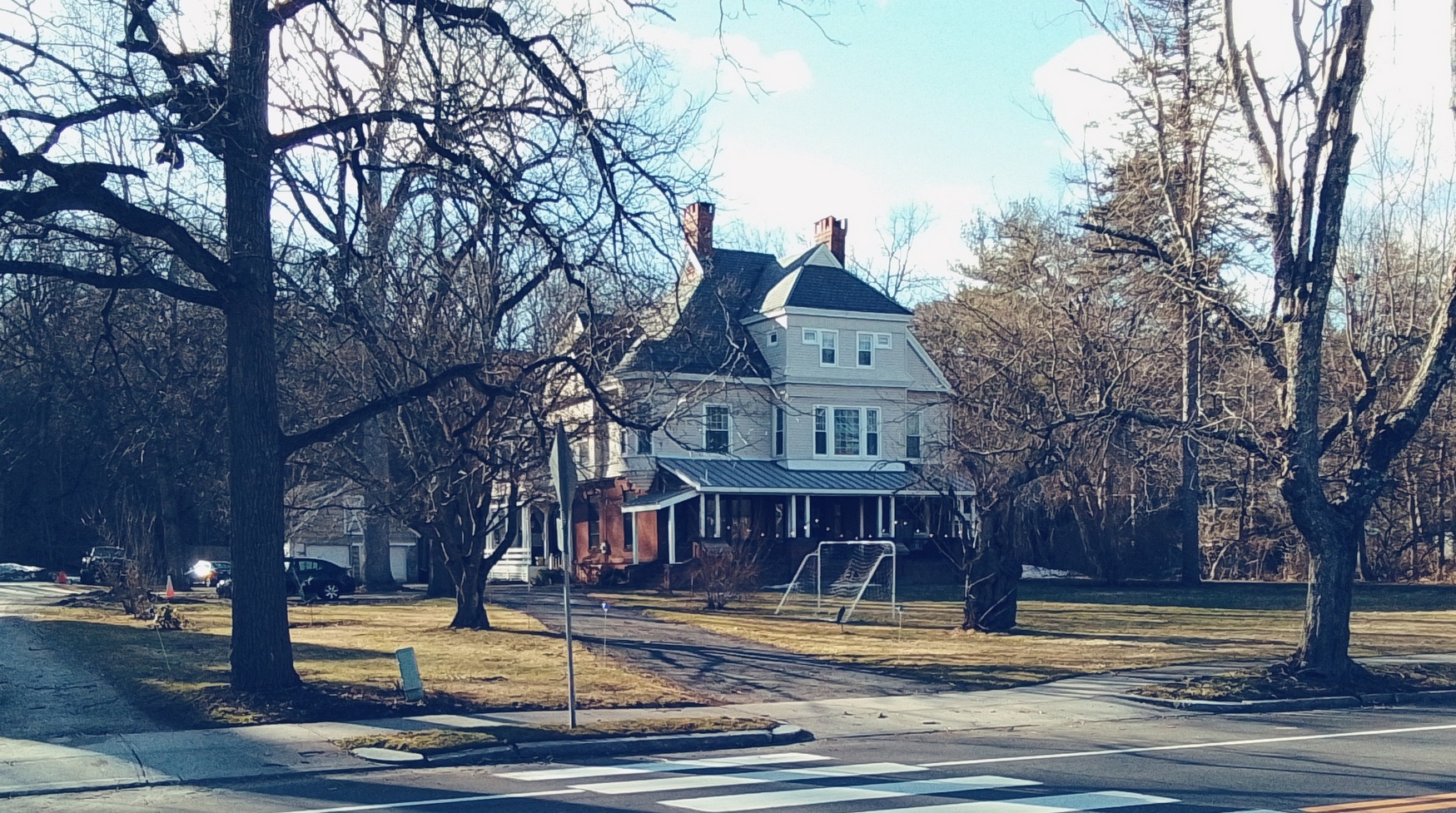
At the top of the street, the Johnson houses are side by side. Robert’s house is to the right and his son’s Charles’ house is to the left. They owned an insurance company on High Street. His house is my 5th installation of my series called A House in Holyoke through Time. HOUSE
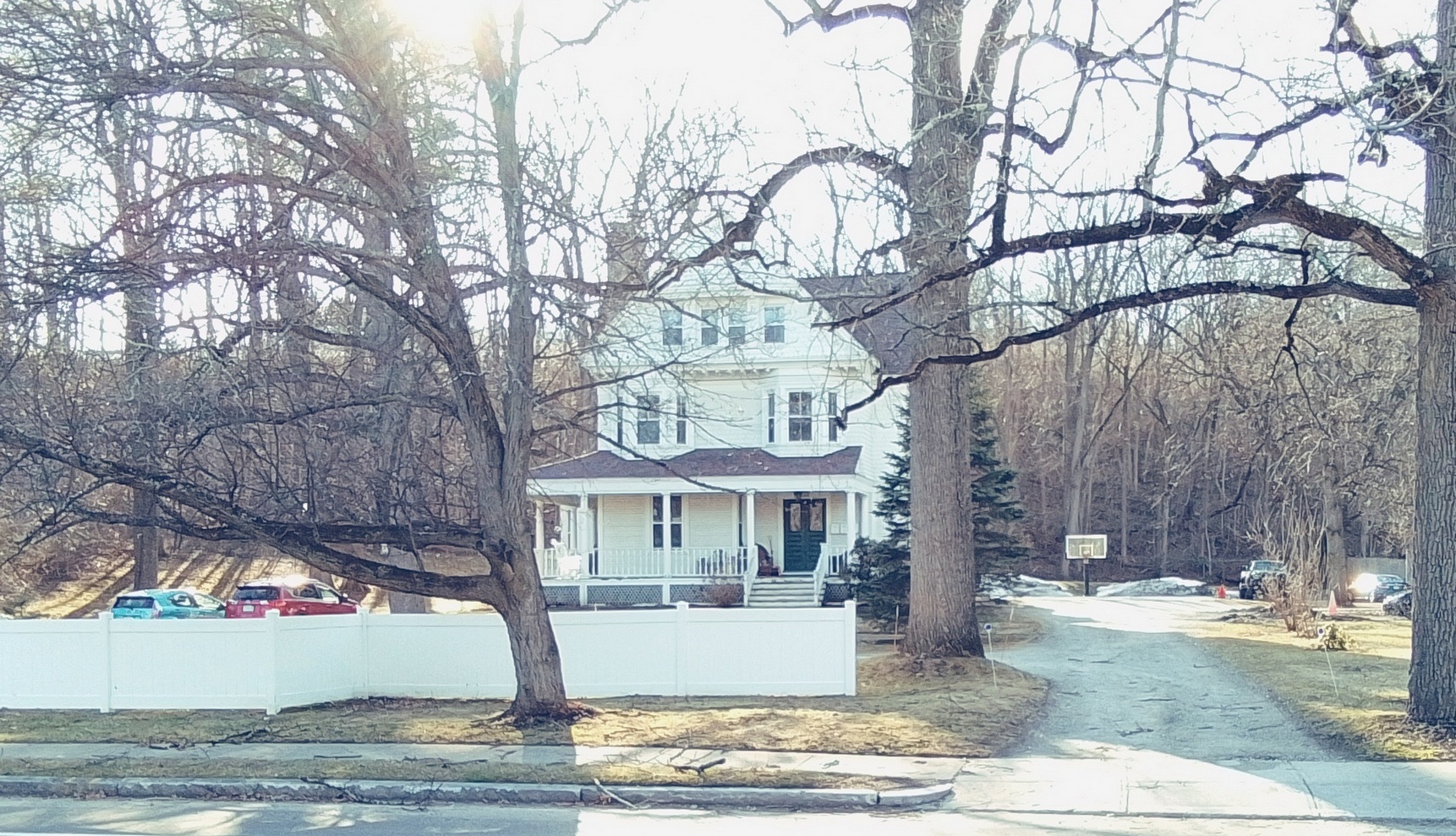
At 175 Lincoln Street – Peter Sinclair – treasurer at a gas heat shop
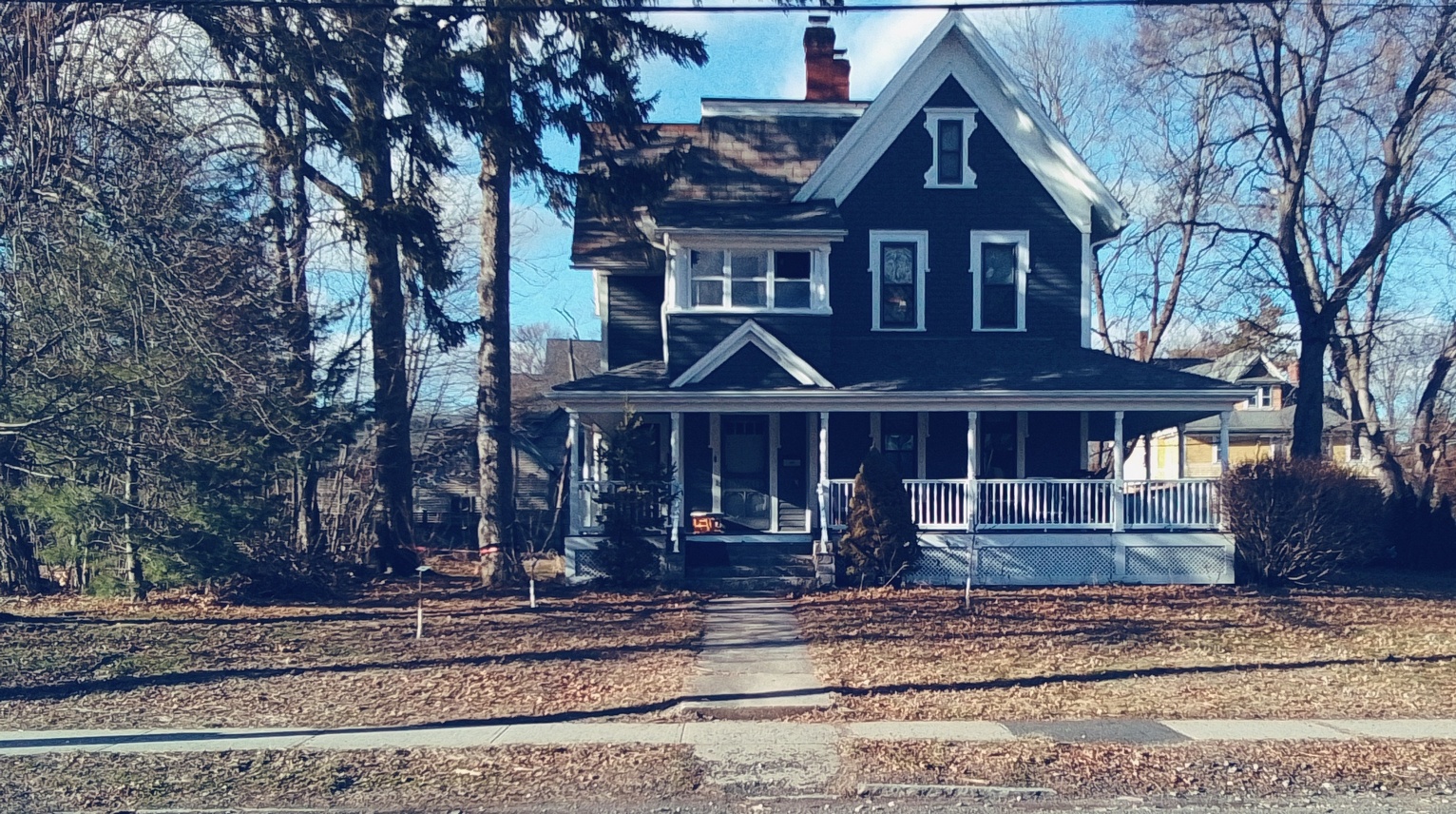
At 171 Lincoln Street – Fred Cook – civil engineer for the canals
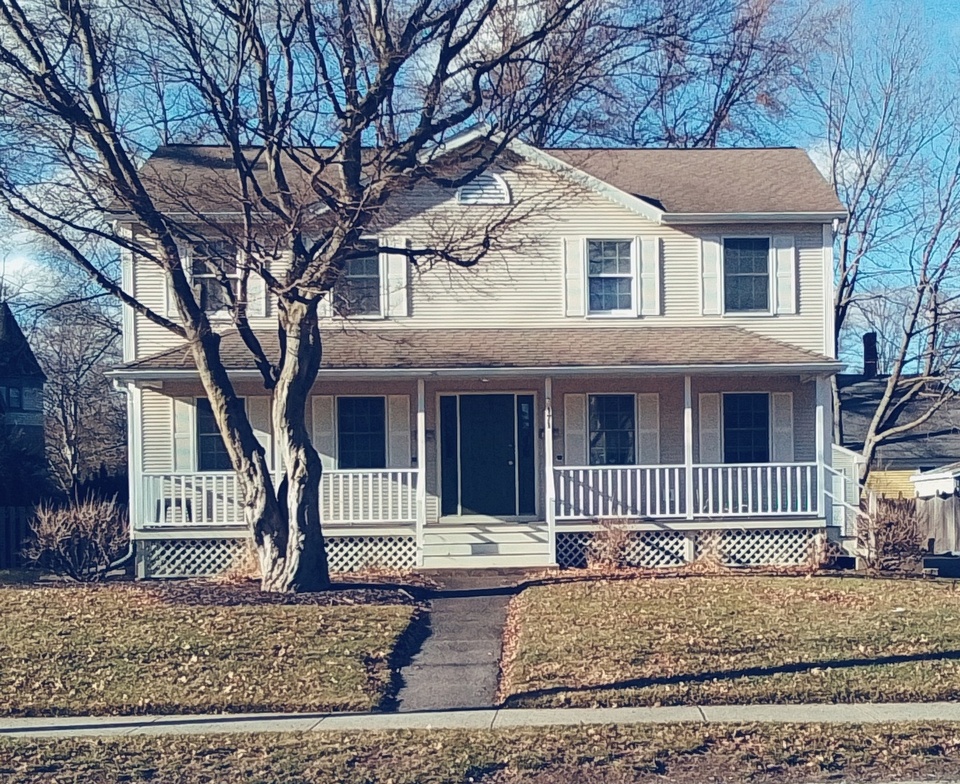
At 165 Lincoln Street – William Powers – ENT medical doctor
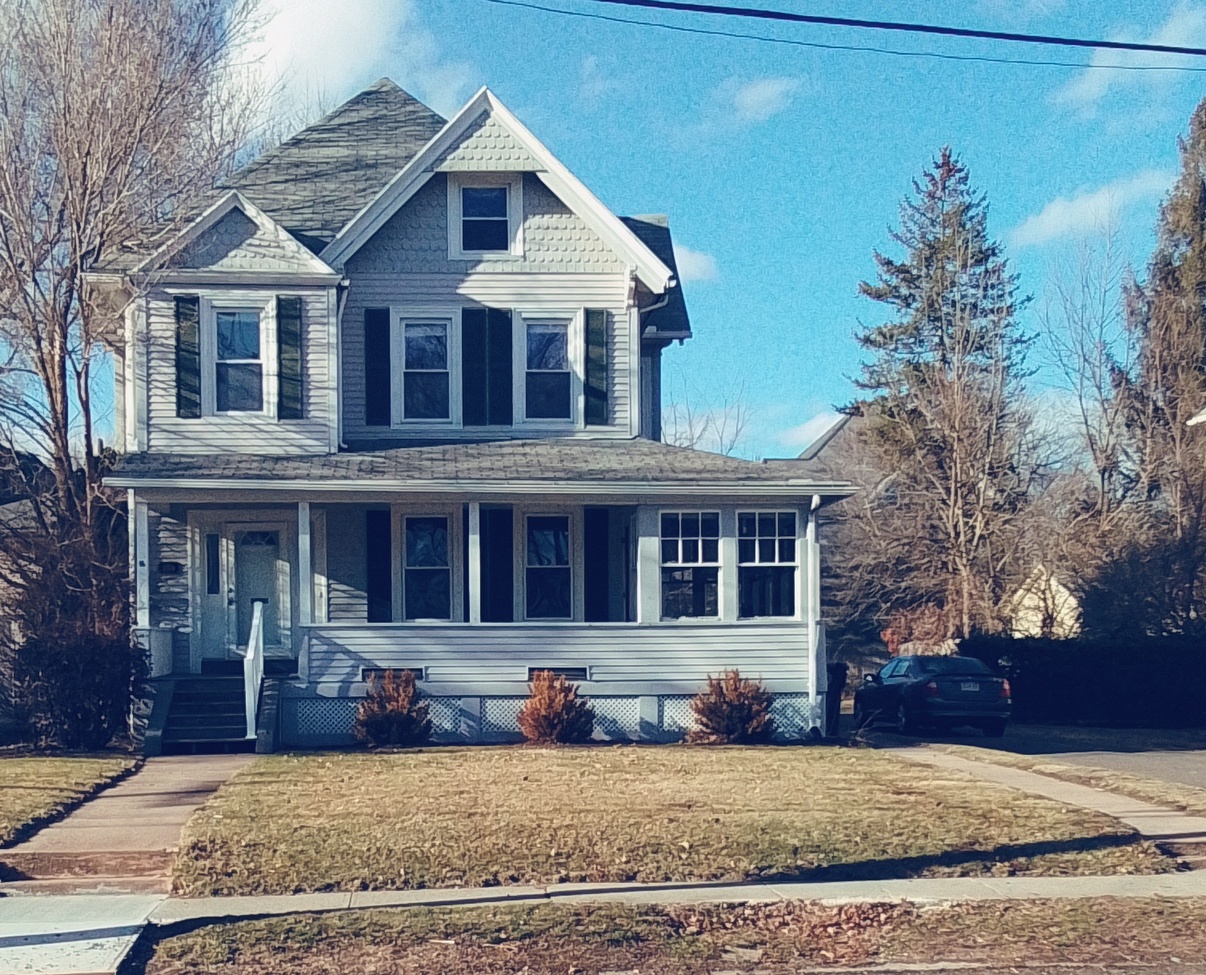
At 161 Lincoln Street – Albert Sickman – hydraulic engineer for the canals
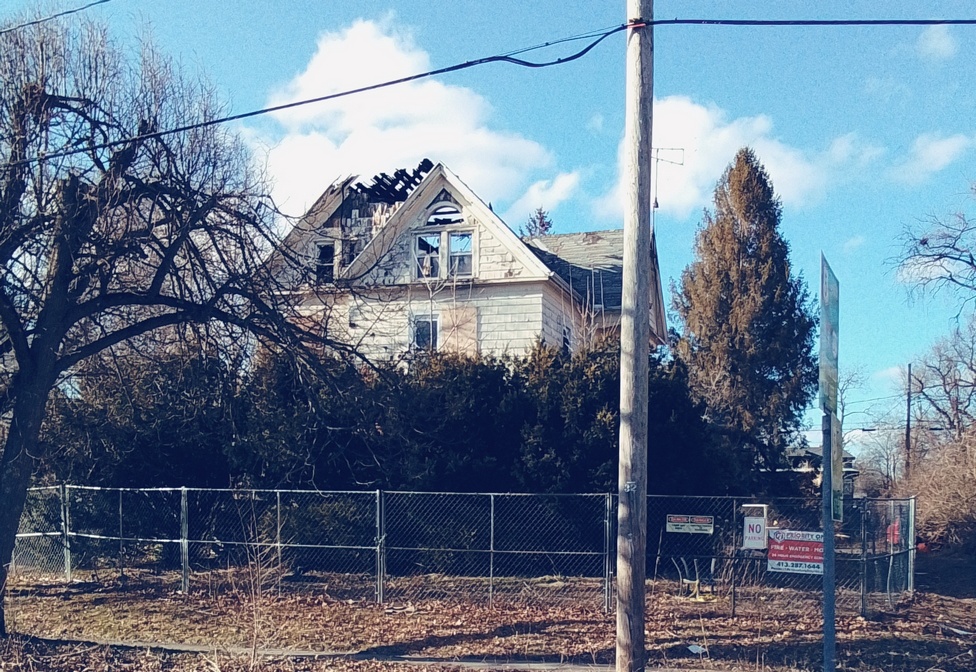
At 157 Lincoln Street – Rolla Kelton – owned a provision firm
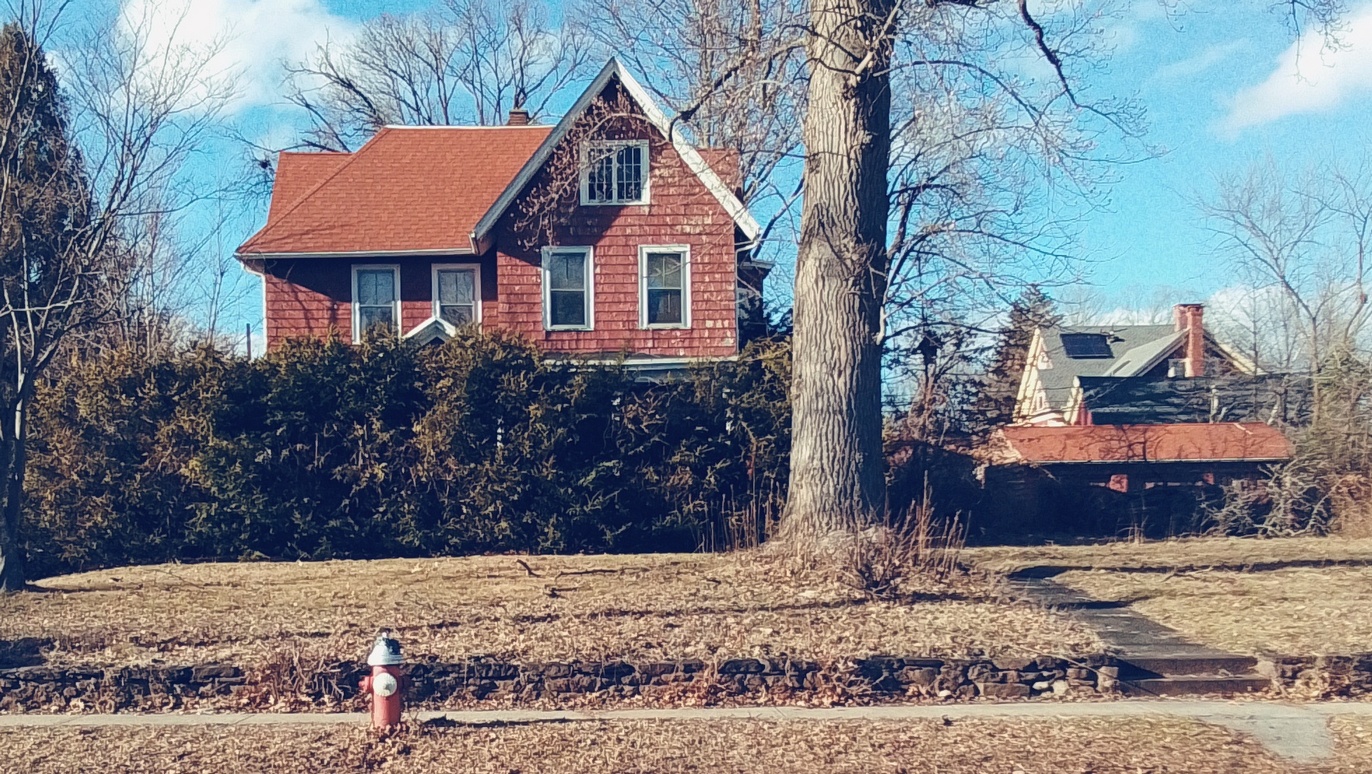
stop 14 – 151 Lincoln Street – Dwight Kelton – owned a provision firm
it is from 1880
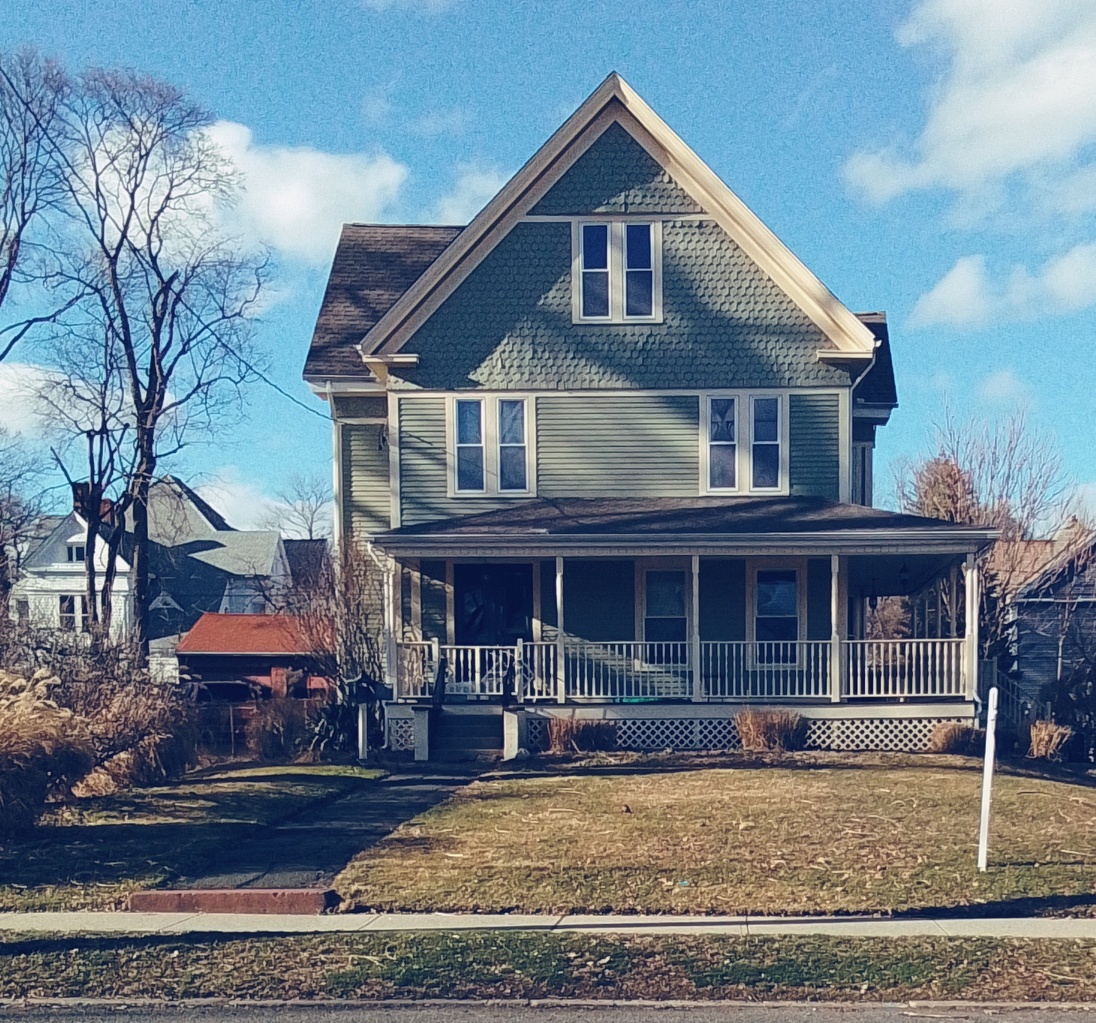
stop 15 – Charles Alderman
At 147 Lincoln Street is the Alderman house from 1895. Charles worked as a superintendent of the Hampden Glaze Paper Company. This is in the shingle style.
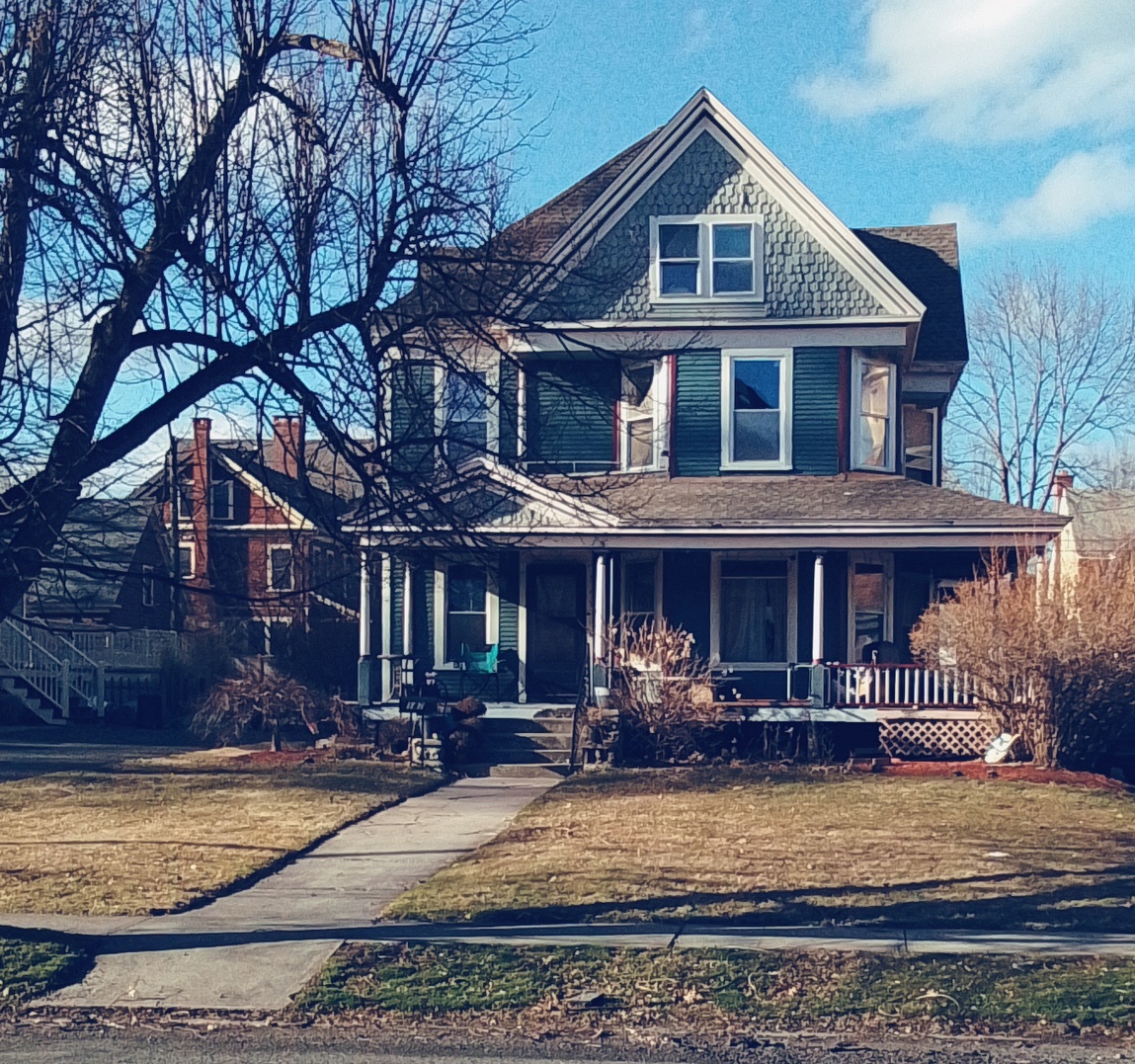
At 141 Lincoln Street in the Queen Anne style – Edward Gorman a real estate agent
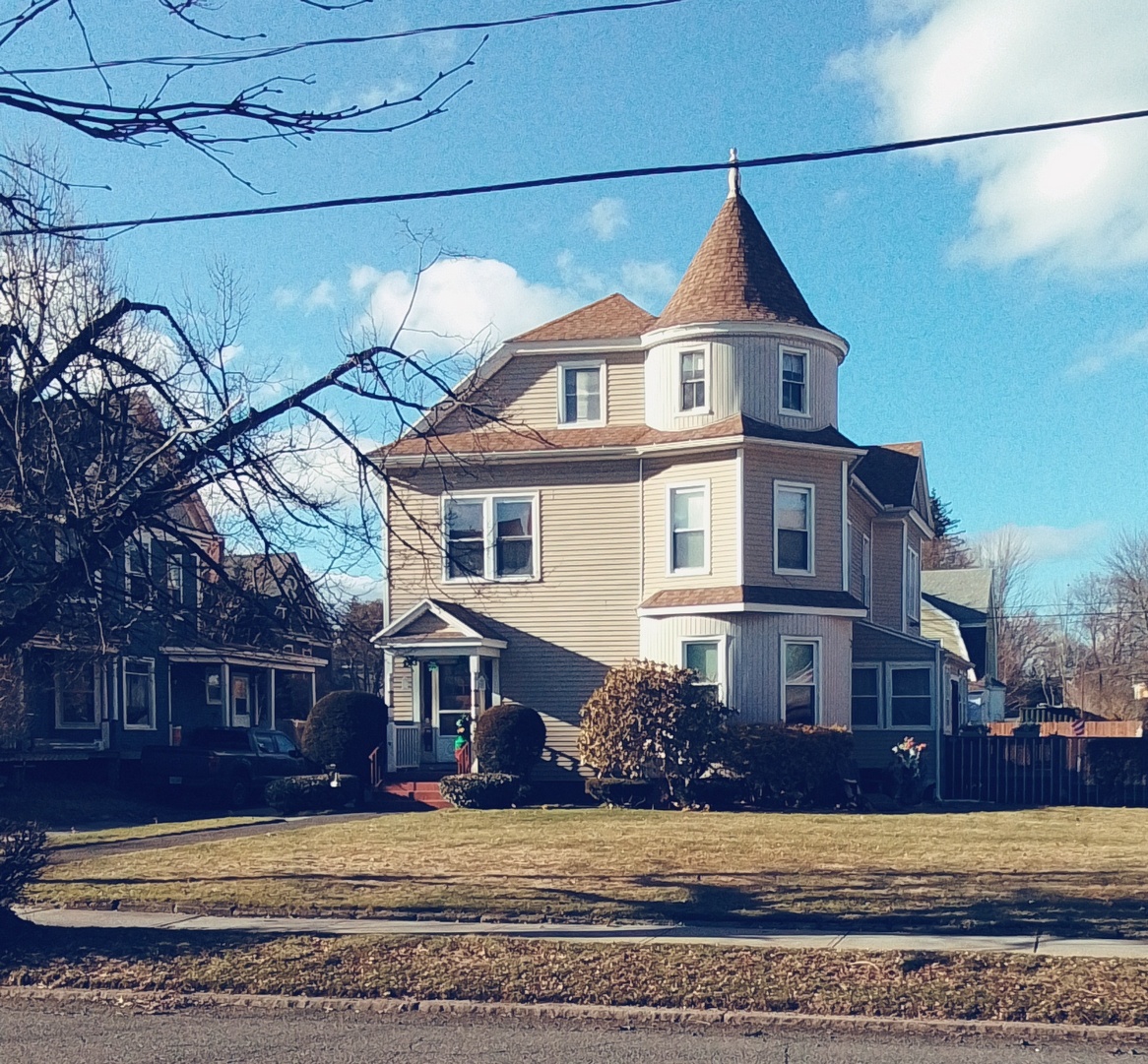
At 135 Lincoln Street – Harry Kennedy
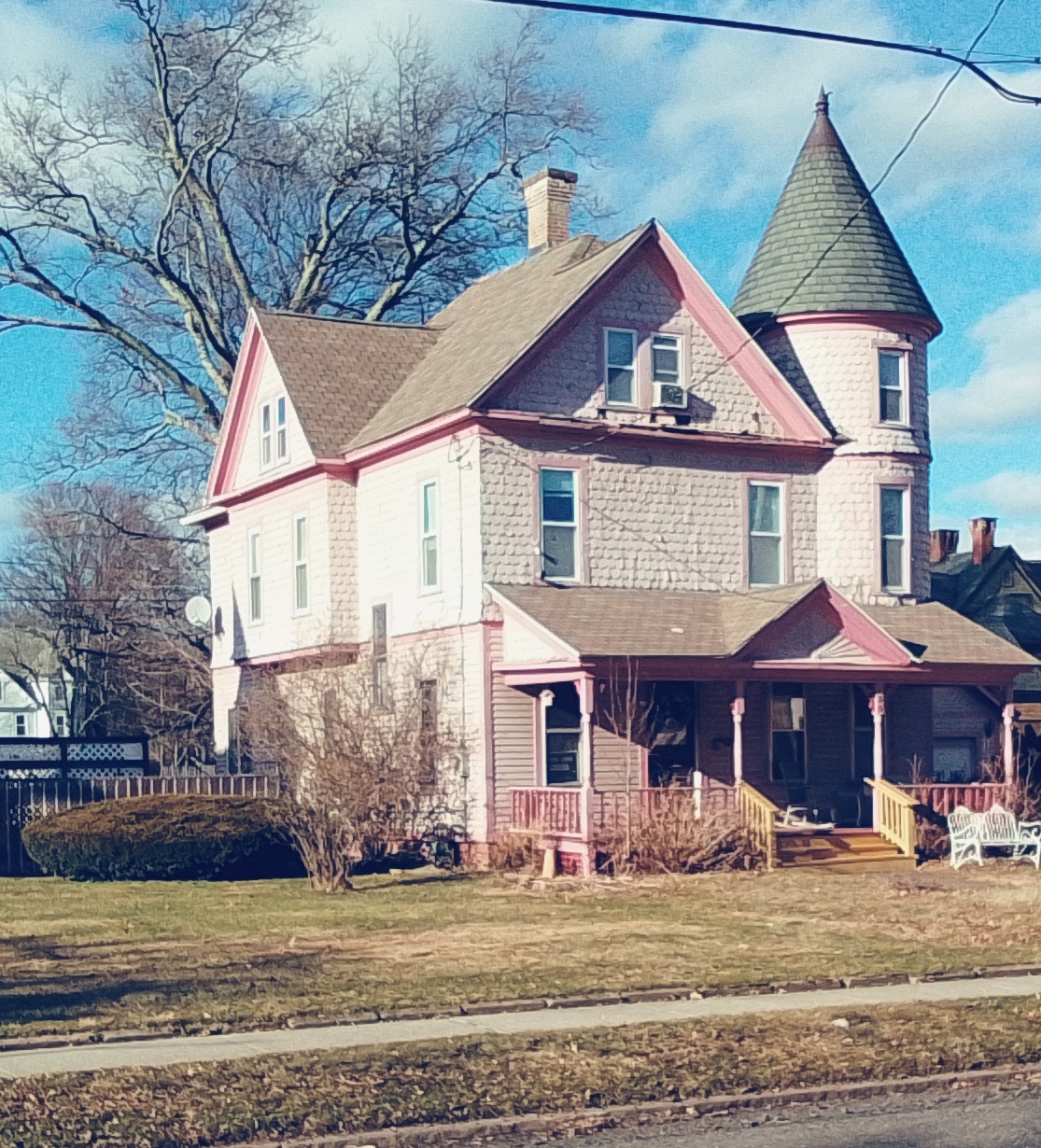
At 131 Lincoln Street – George Callahan
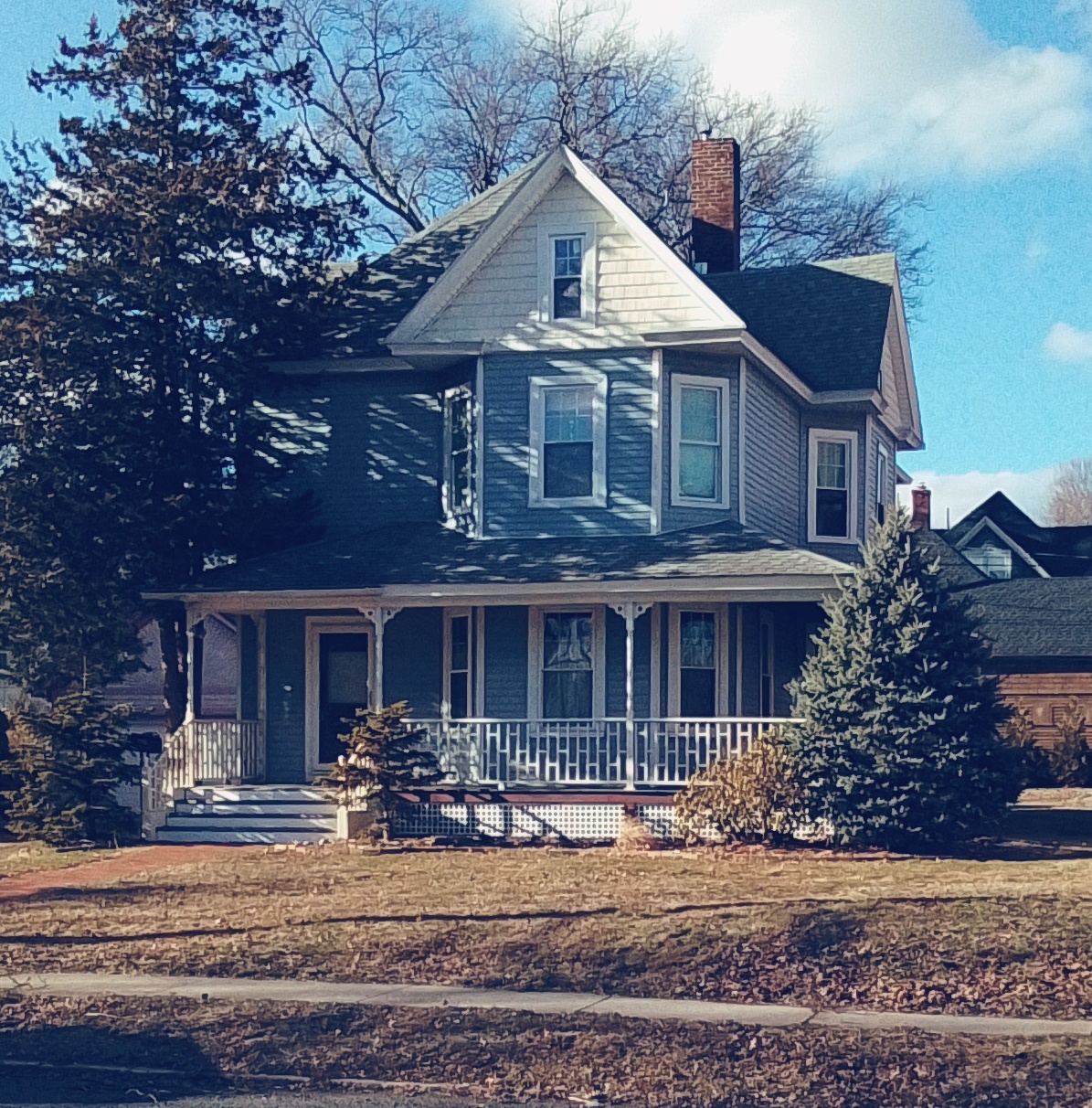
stop 16 – William B Whiting
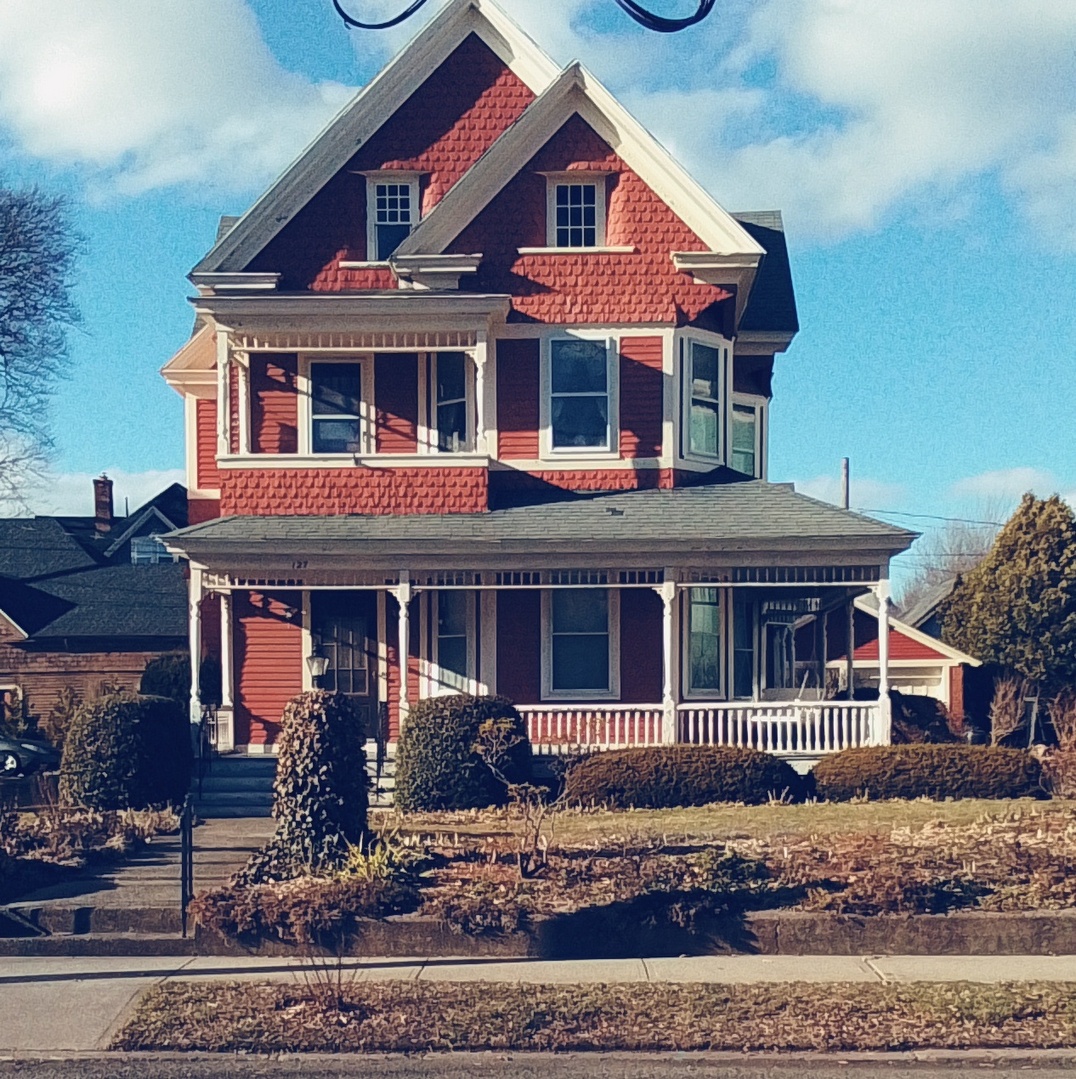
William B Whiting was at 127 Lincoln Street and is from 1894 – The Whiting family owned many enterprises in Holyoke and served the city in many ways. William B Whiting owned a coal business in the city and his son owned a large paper mill. The house is in a shingle style.
at 123 Lincoln Street is a shingle style – George Doane
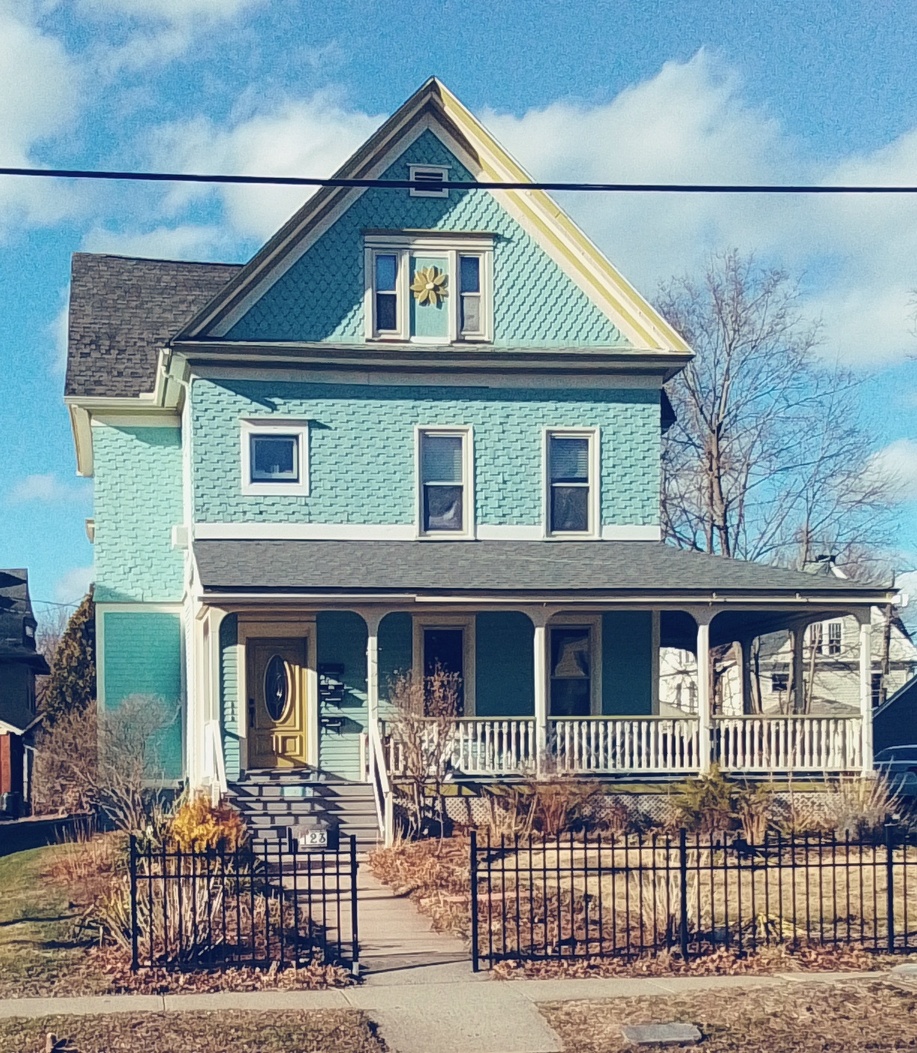
at 119 Lincoln Street – Harriet Lamb
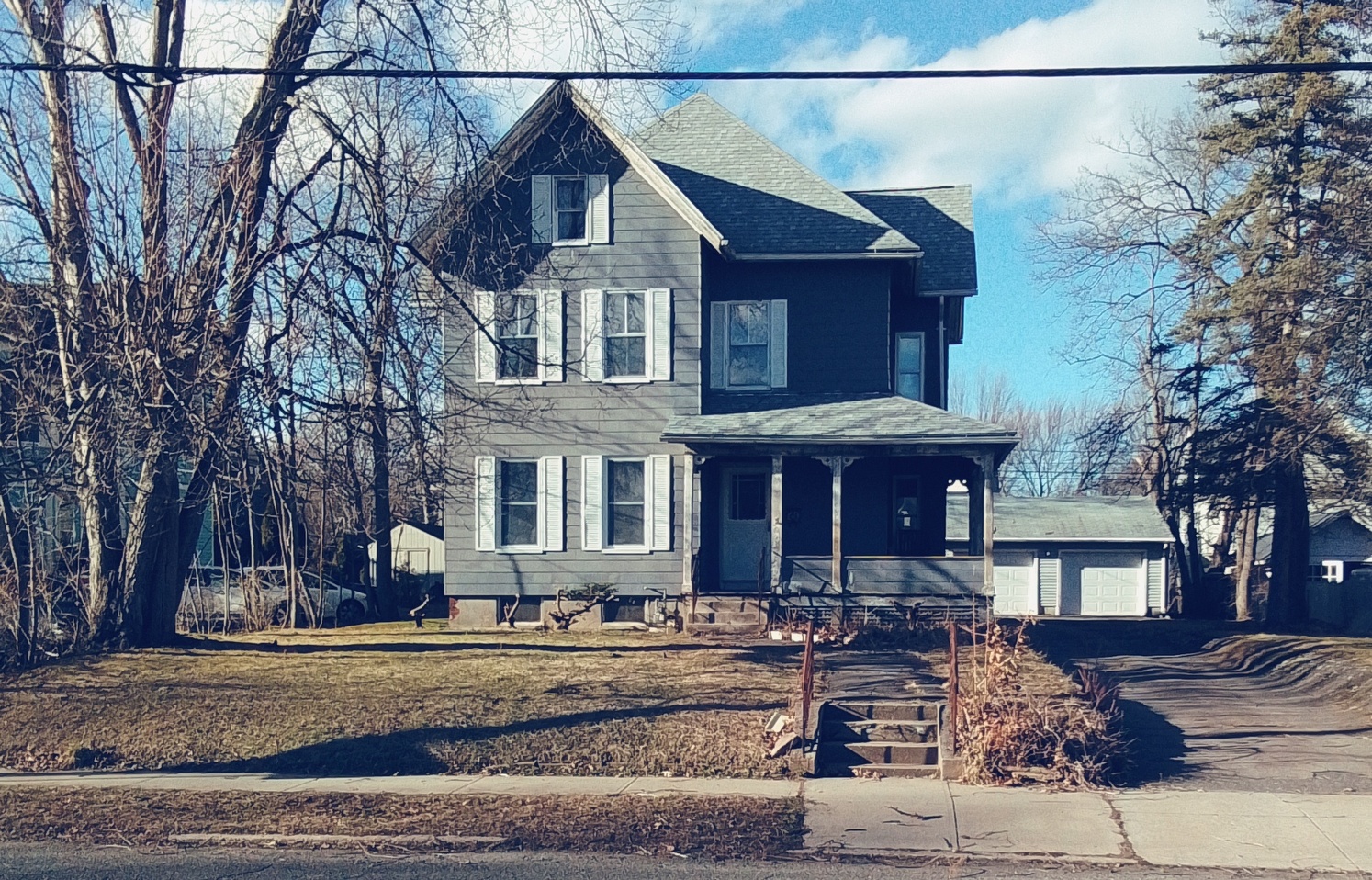
at 115 Lincoln Street is a Queen Anne – George Craig
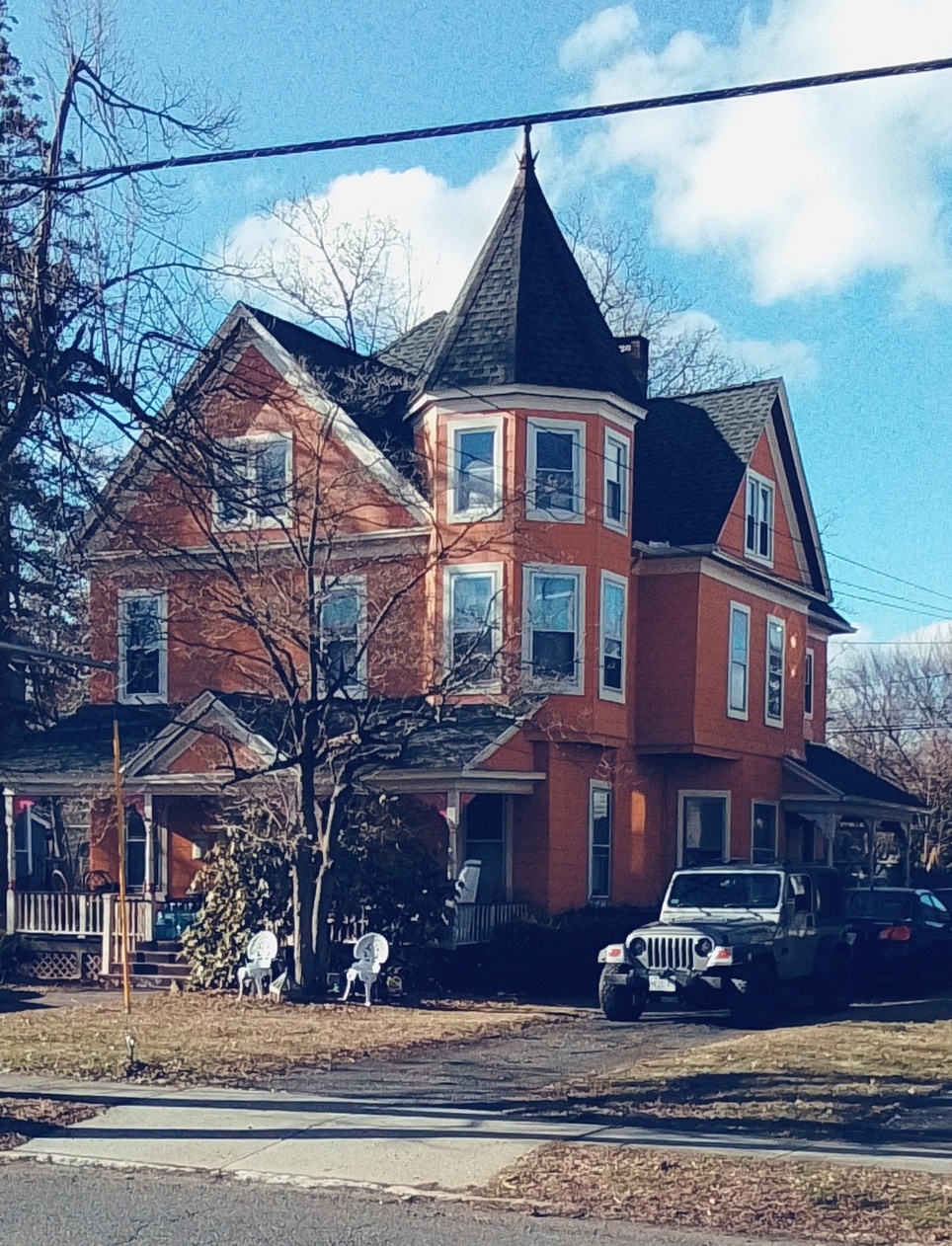
stop 17 – John Bishop
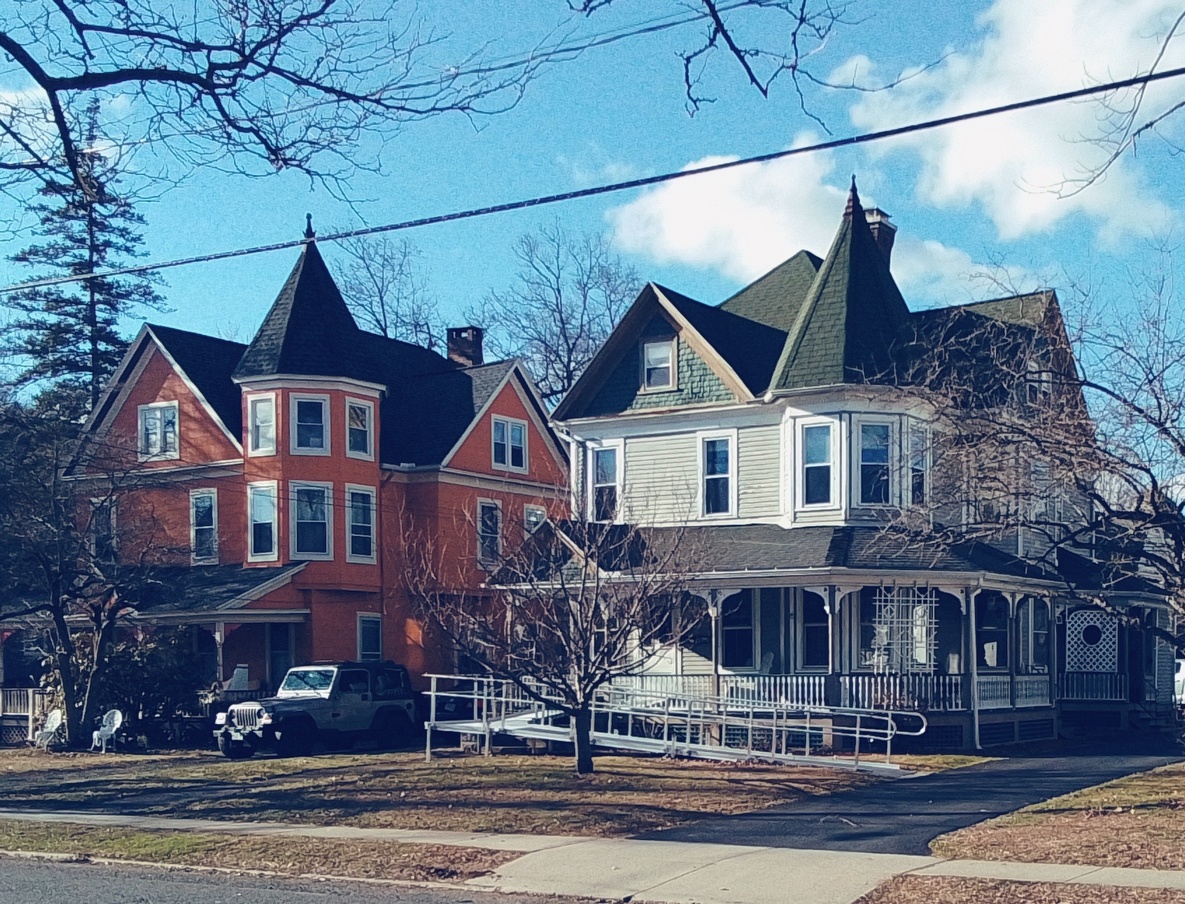
111 Lincoln Street is from 1896. John Bishop was a goods dealer on High Street. Find the Bishop Block here – LINK – The house is a Queen Anne with a wrap around porch.
stop 18 – Hoit Farr
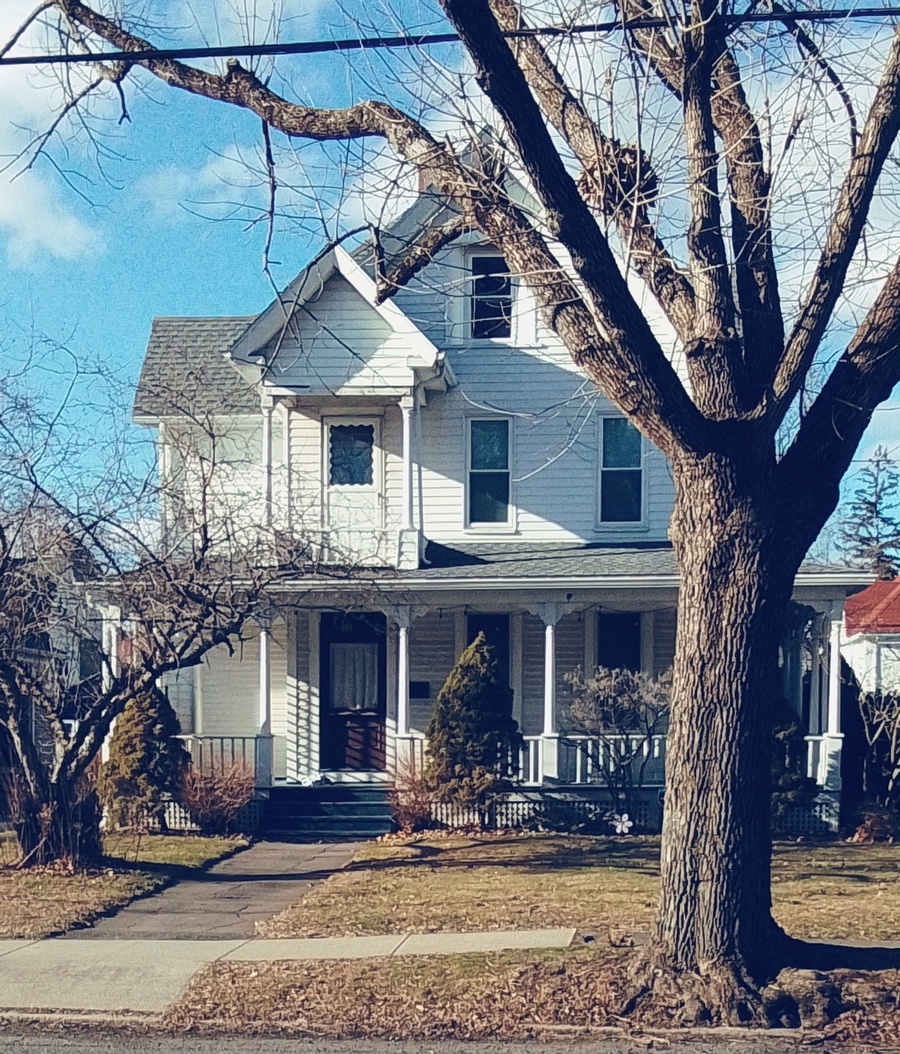
Hoit Farr was at 107 Lincoln Street is from 1896 was a member of the Farr Alpaca Mill ownership. FINDAGRAVE
at 103 Lincoln Street is a shingle Victorian – William Meecham
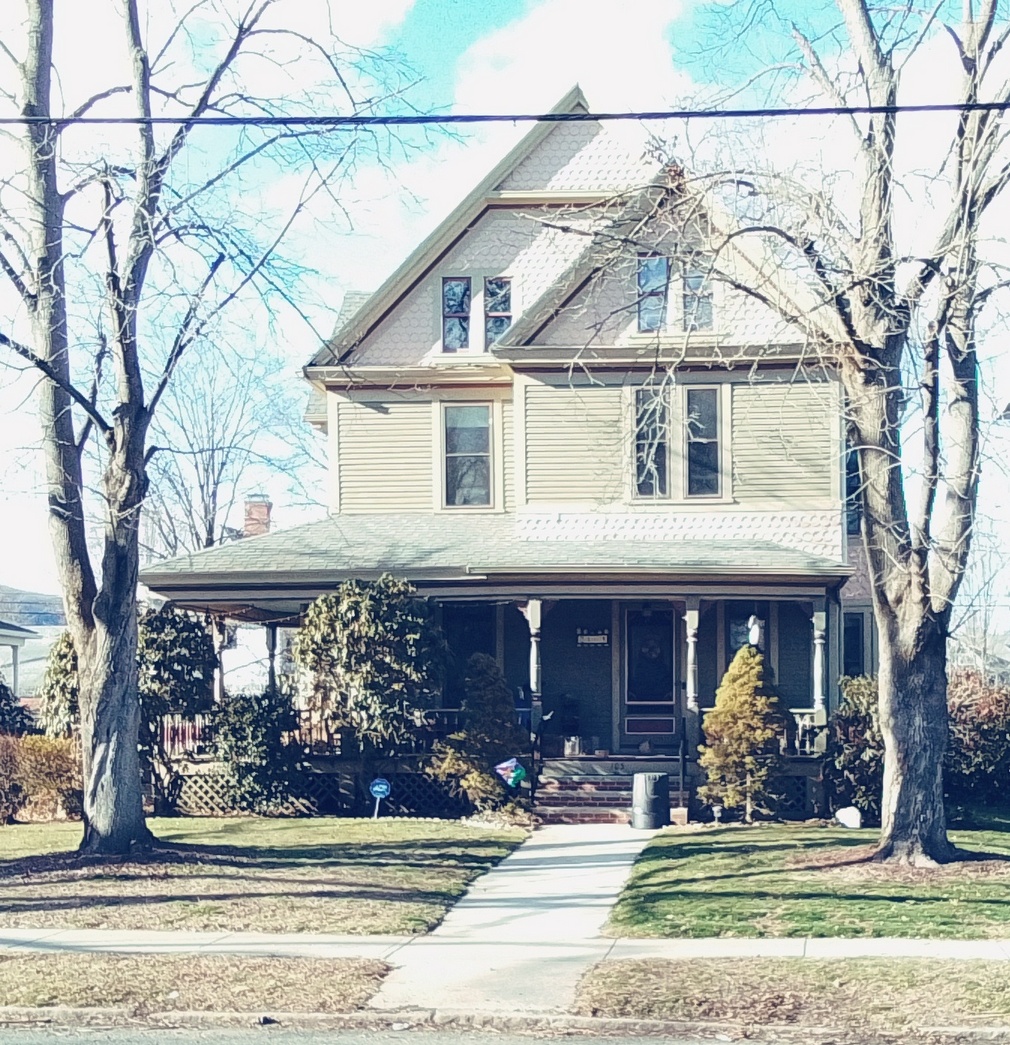
at 97 Lincoln Street – William Hassett
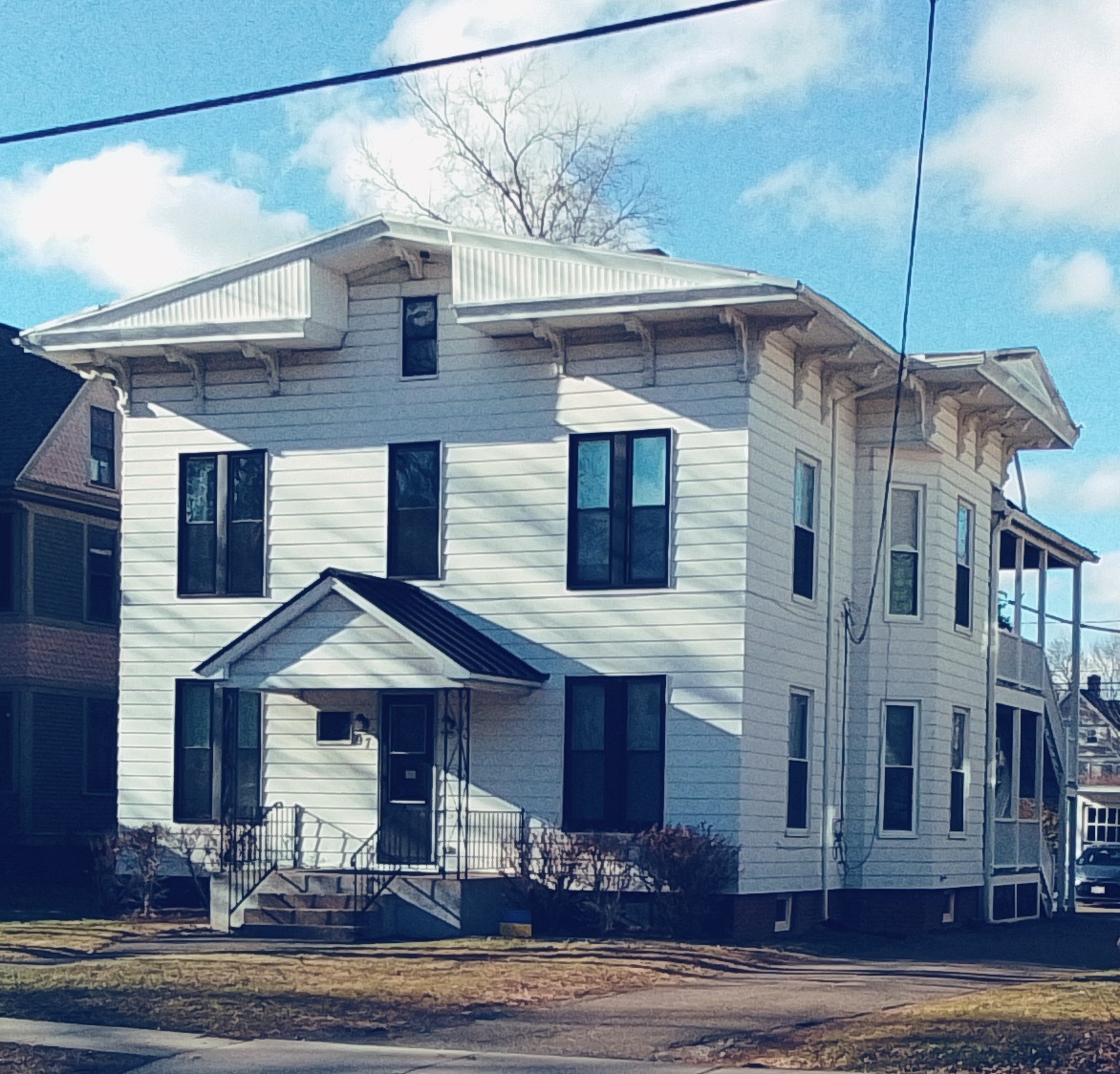
at 95 Lincoln Street:
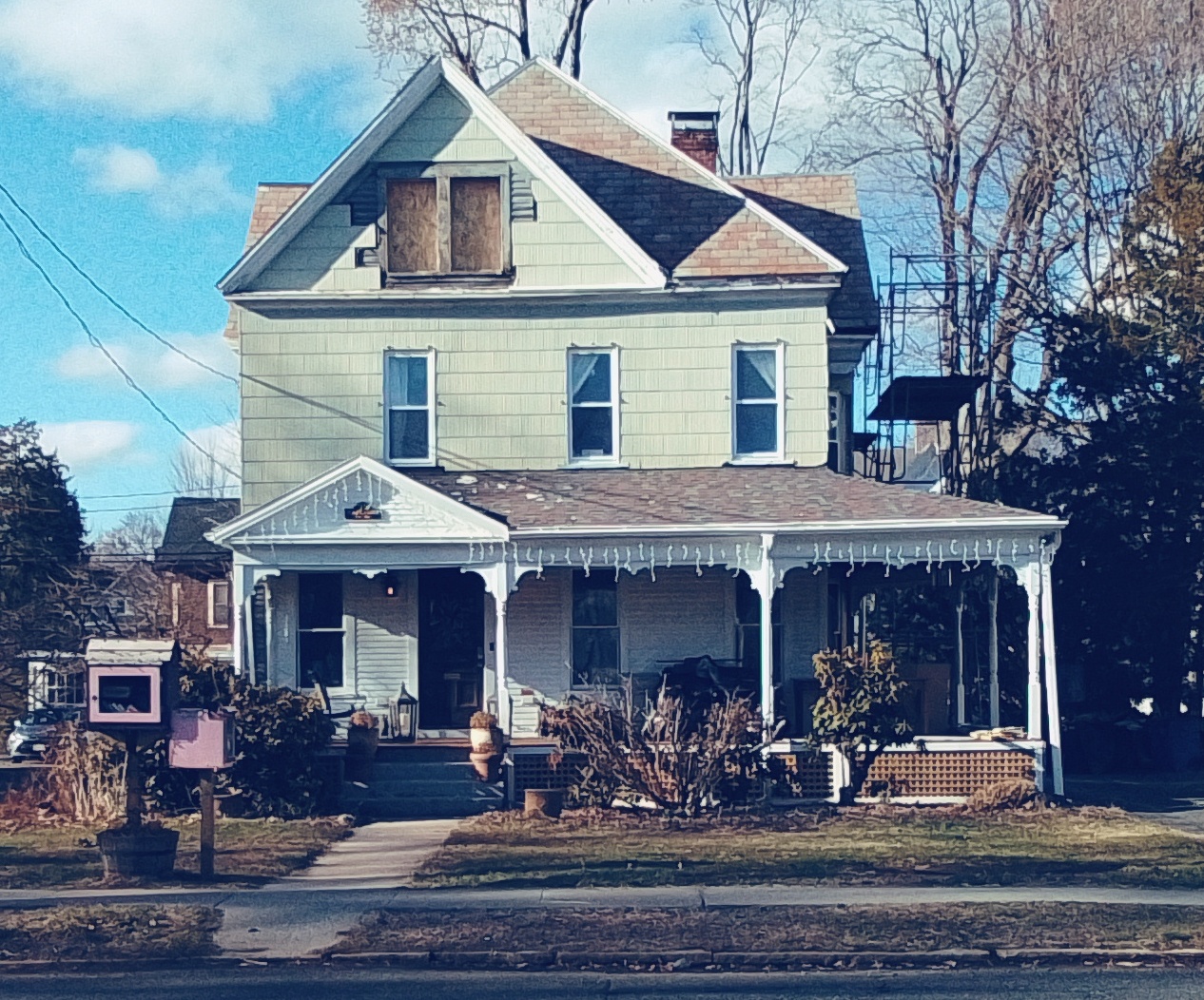
at 91 Lincoln Street is a Queen Anne – Everett Dickinson lived here
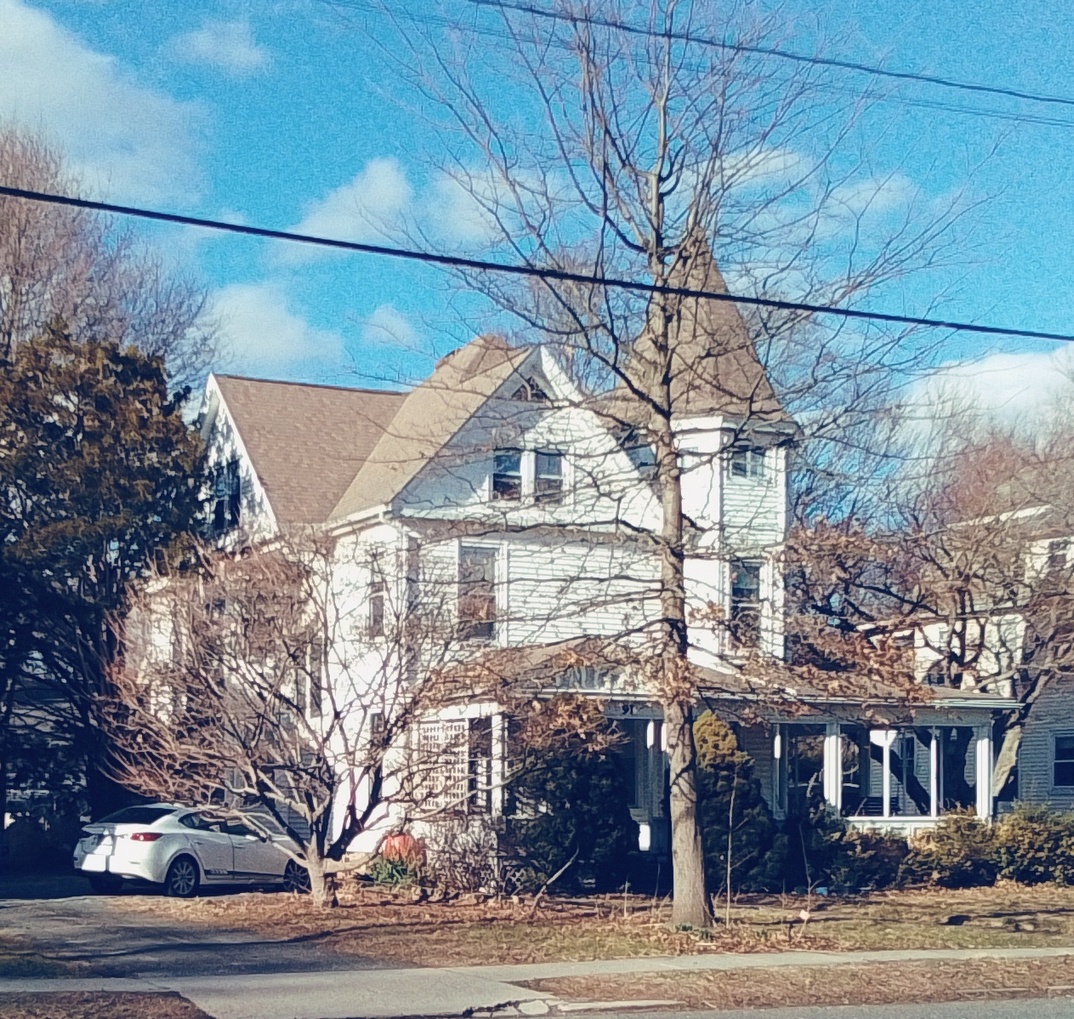
And now we are back to the park.
There once was a street throught the present day Stop and Shop that was only a dirt road and perhaps thought to be temporary. It was called Washington Street. It ran between Lincoln and Hampden Streets. It might have been put into place in 1876.
| stop | from two directions above | walking from park to Northampton Street |
| A | 1 and 2 | park |
| B | 3 and 18 | at Waldo |
| C | 4 and 5 and 17 | between Waldo and Williams |
| D | 6 and 16 | Williams Street |
| E | 7 and 8 and 15 | between Howard and Williams |
| F | 9 | 100 feet west of Howard |
| G | 14 | eastern edge of Arlington Street |
| H | 10 and 13 | at Madsen house |
| I | 11 and 12 | curve at corner |
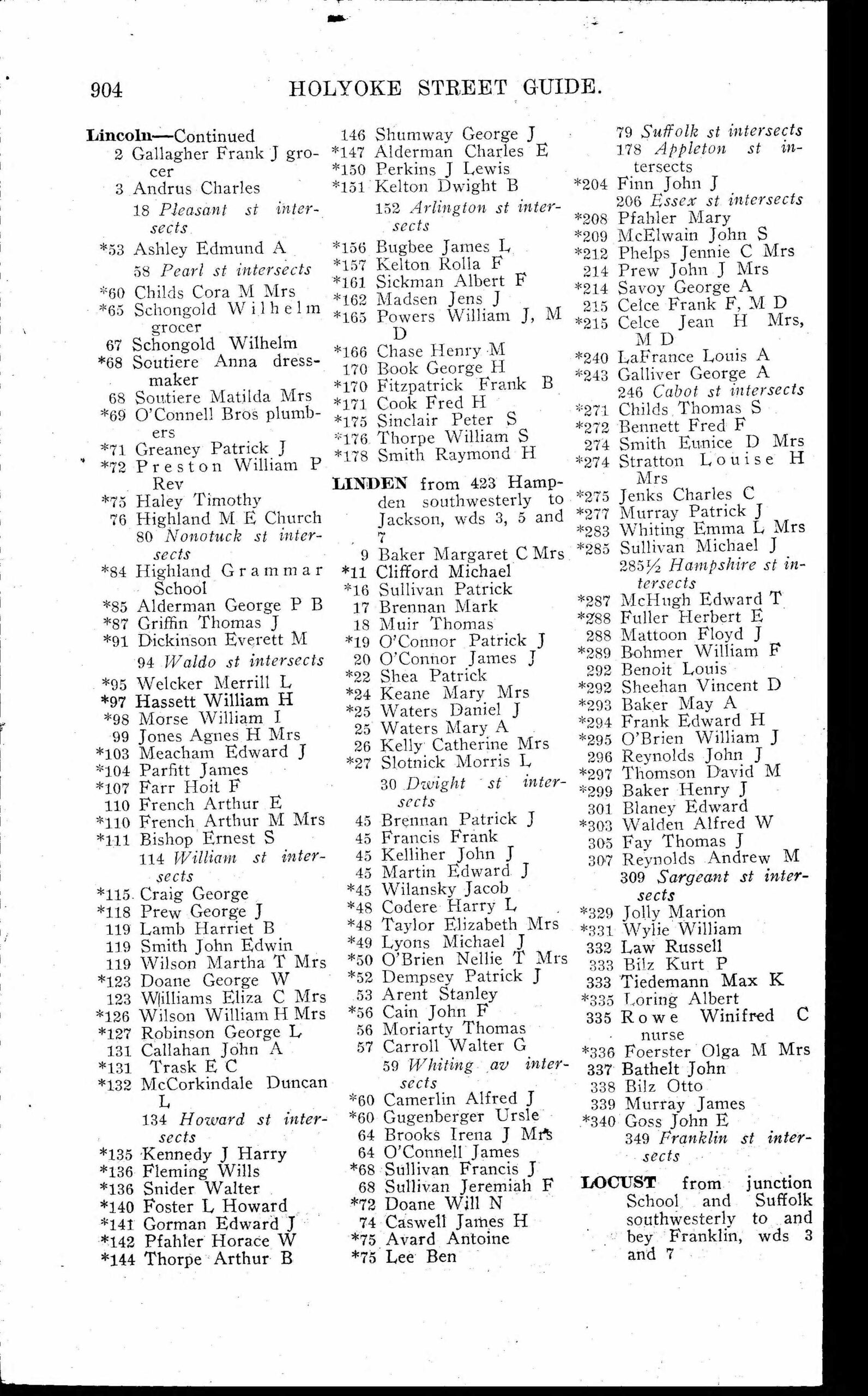
Sanborn map analysis:
Sanborn 1884 and 1889 map – not covered
Sanborn 1915 map and map B and map C
Sanborn 1949 map and map B and map C
Sanborn 1956 map and map B and map C