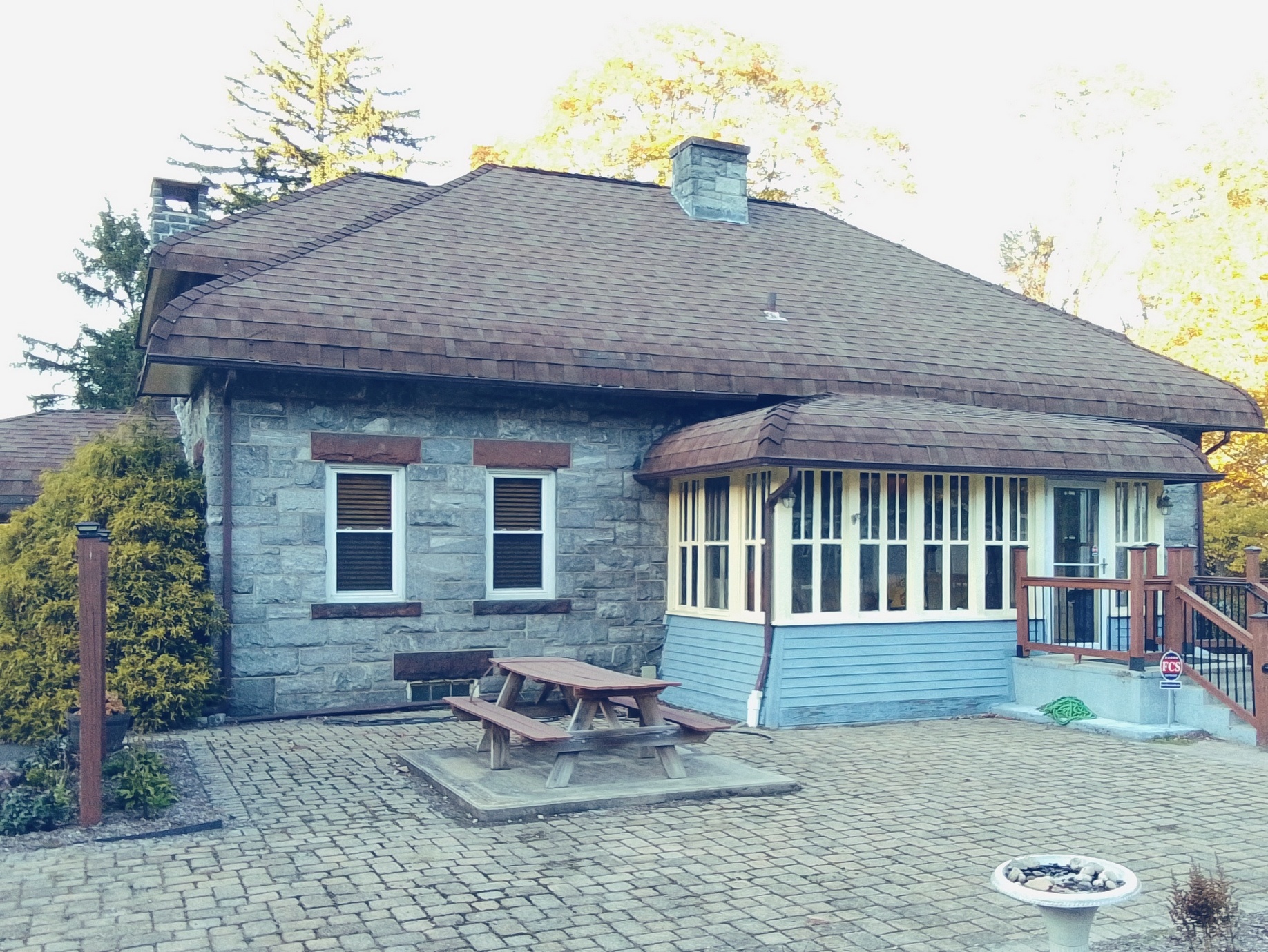
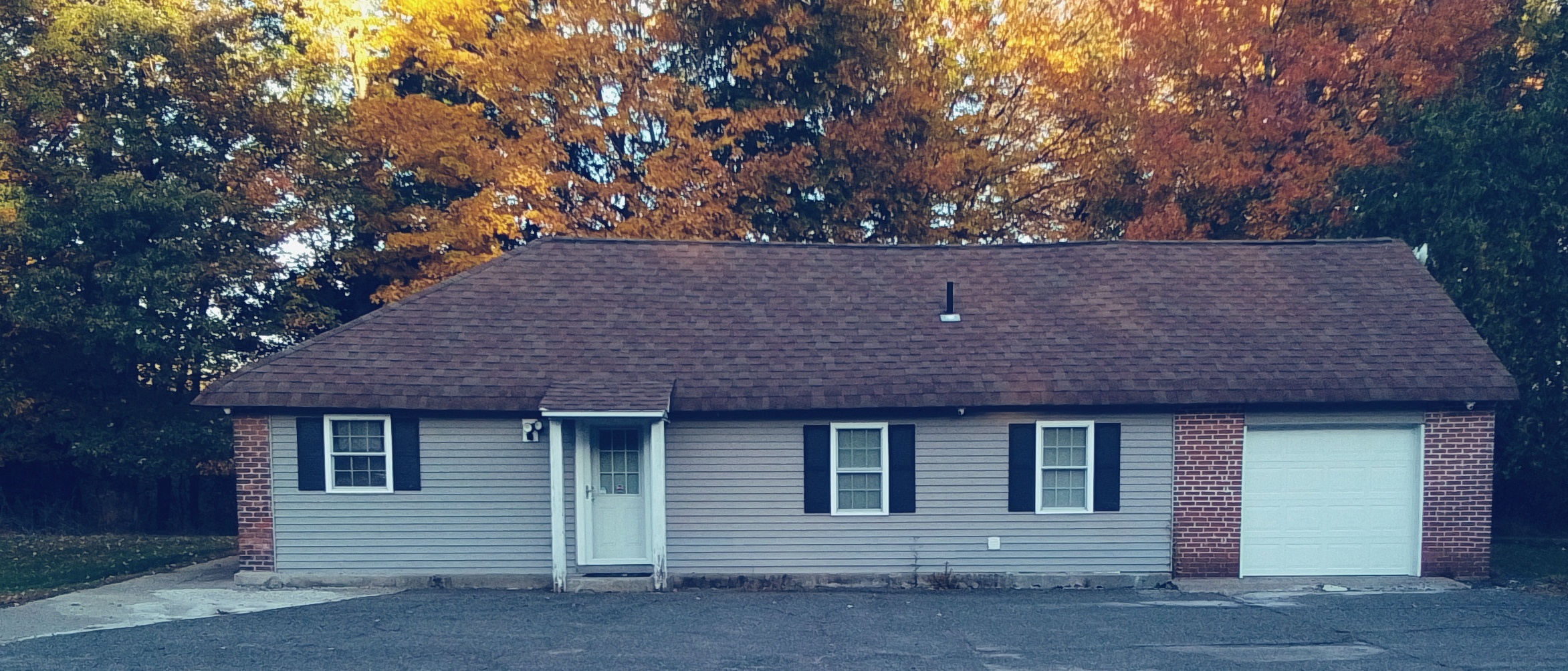
Dwight Manufacturing Company Housing on Sandy Hill in Chicopee

Dwight Manufacturing Company Housing on Sandy Hill

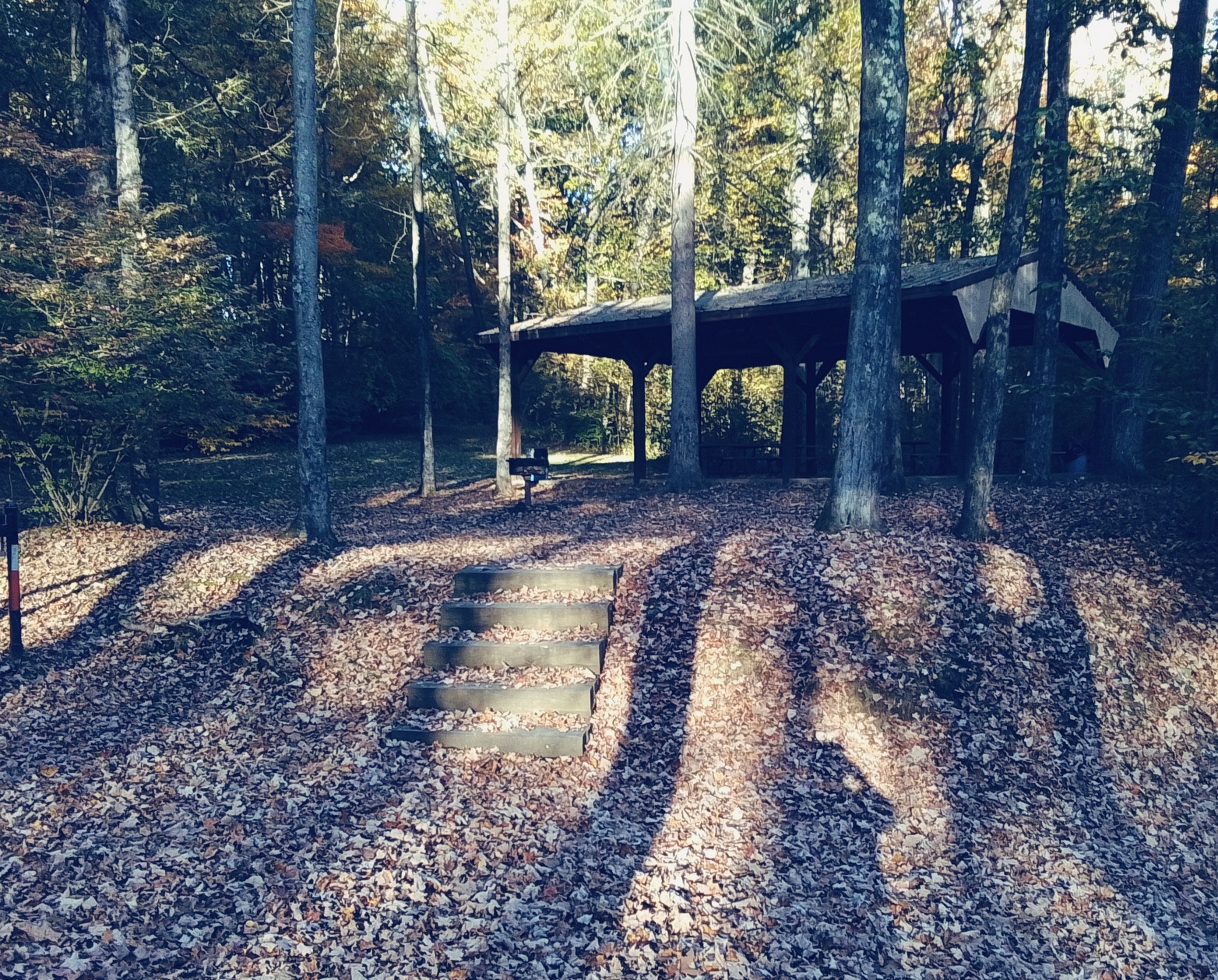
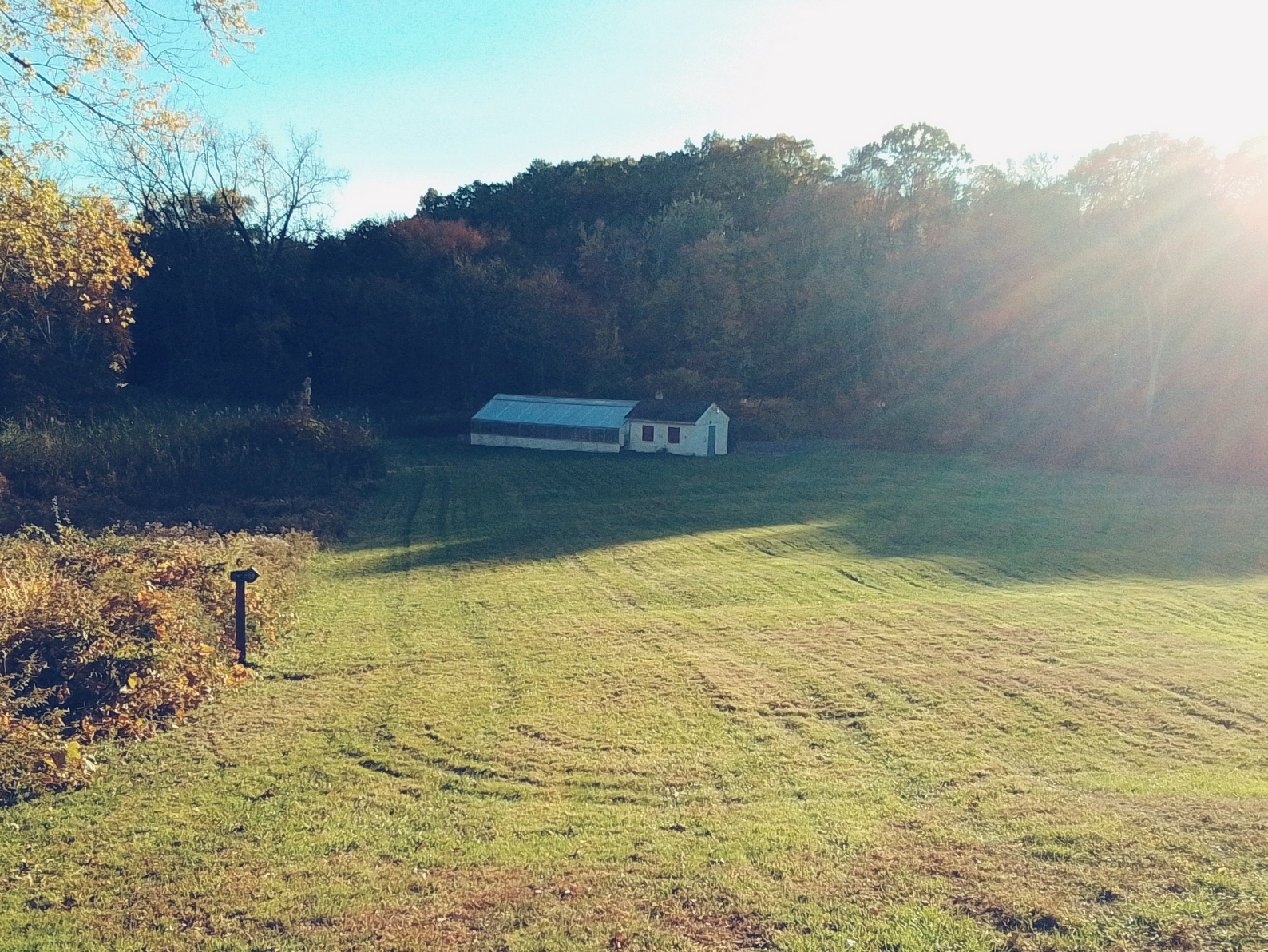
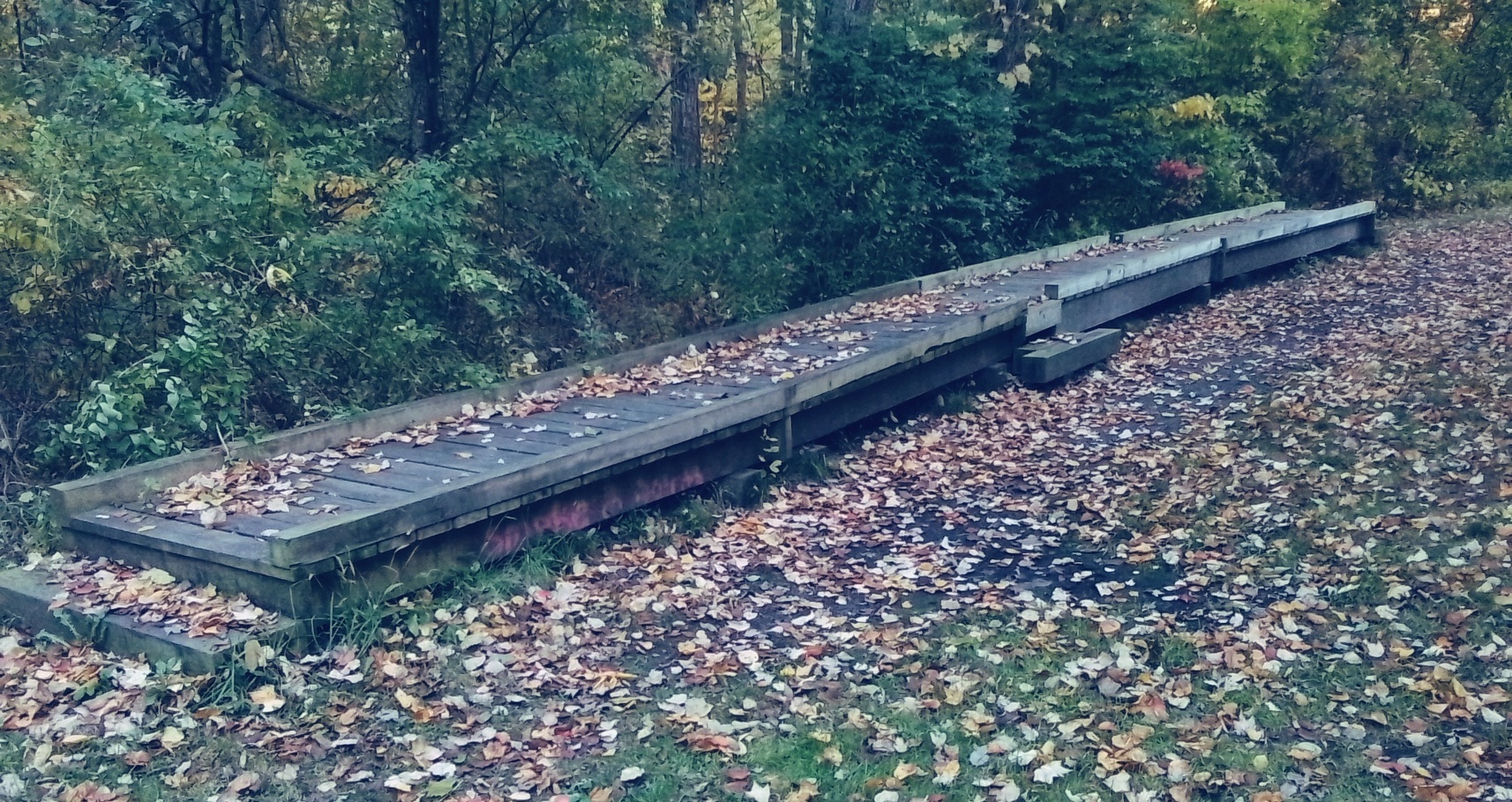
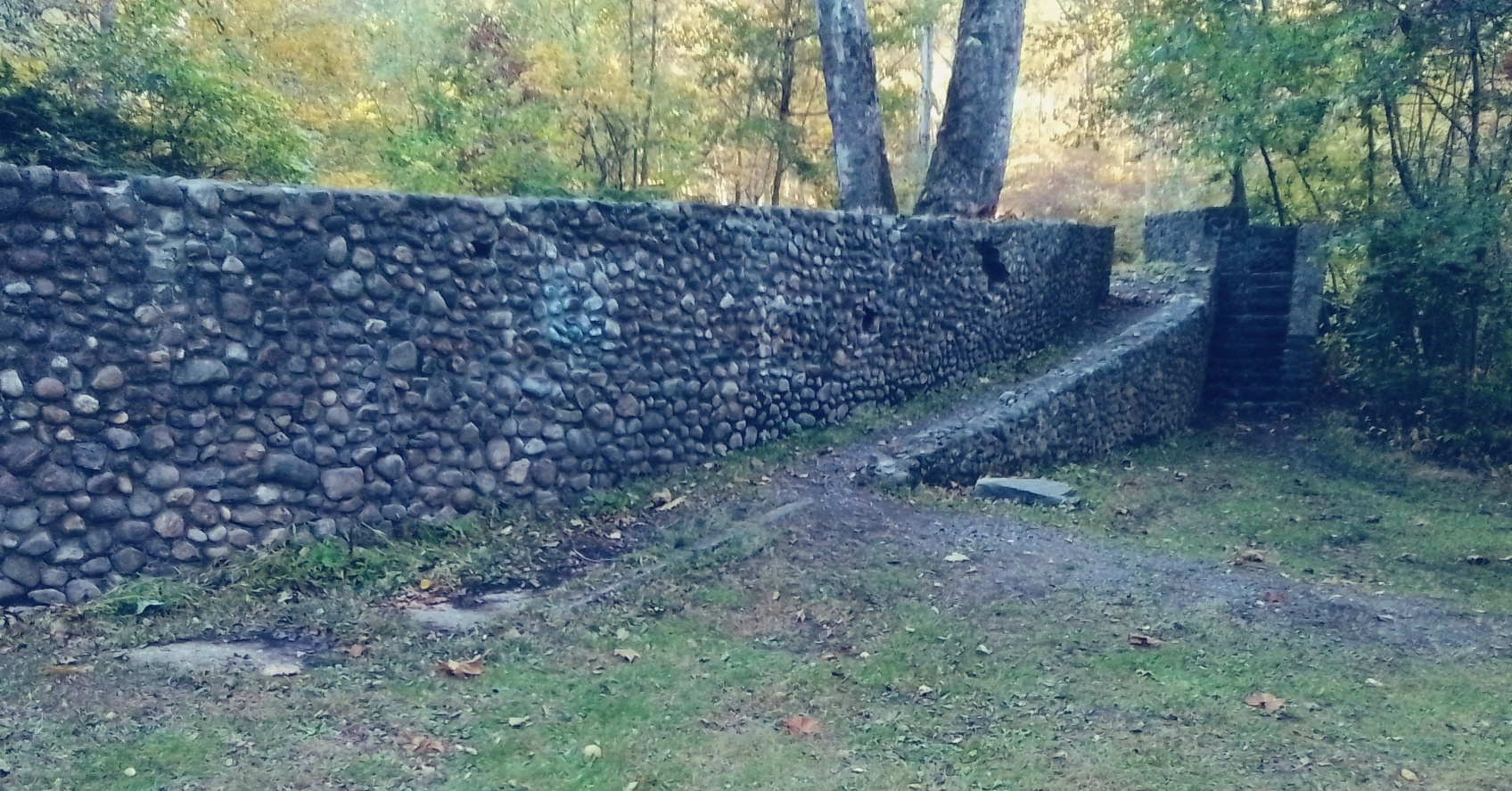
Parallel streets are Lyman, Lawrence, Gardner, and Coolidge Roads. Perpendicular street is Nichols Road. The houses on Lawrence, Gardner, and Coolidge are from 1907 to 1908. The houses on Lyman are from 1921 to 1927. Take Lawrence Road from Chicopee Street to get to this worker home area. On the eastern side of Nichols Road are back to back housing of the same era (post-1927). Dwight Terrace leads to Chicopee Street via a series of wooden steps. There is an abandoned fire station at Lawrence and Nichols.

Dwight Manufacturing Housing in Chicopee

Dwight Manufacturing Housing in Chicopee

The Perkins and the Cabot Mills have lost their workers’ homes through the years but Dwight Mills still have all of their homes. This area is quite old. The streets with the most houses from the factory and canal era are on Front, Exchange, and Dwight Streets. (LOCATION) These are called Springfield Canal Company Workers’ Housing and Springfield Canal Company Boarding Houses.

Dwight Mill in Chicopee

Dwight Mill in Chicopee

The Dwight Mill came in last of the three mills. They started here in 1841. The had three major mills between the canal and the river. These thusly used hydromechanical power.

Only mill number 7 is the original. (LOCATION)

Edmund Dwight the founder of the canal and the company died in 1848. FINDAGRAVE – in that year in the three mills there were 786 looms and 28,576 spindles.

In 1856 the Dwight Manufacturing Company was created as a combination of Cabot, Perkins, and Dwight.

Perkins Mills in Chicopee

Perkins Mills

This image has an empty alt attribute; its file name is chicopee-canal-7-1024x768.jpg

The Perkins Mills came next to this section of Chicopee. They built here in 1836. They also built two main mills and they built two secondary buildings in the front of the canal. (LOCATION) These buildings did not use canal power nor need it but they were for processing cotton before and after the production process.

Lewis Hines image of boy at these gates. (1912) – IMAGE

The storage building to the west is the only original structure left from the Perkins era and all other buildings are from when Dwight consolidated all production under their name.

In 1848 production in the Perkins was 428 looms and 14,973 spindles.

Cabot Mills in Chicopee

Cabot Mills in Chicopee

This image has an empty alt attribute; its file name is chicopee-canal-4-1024x497.jpg

None of the two original Cabot Mills now exist. The mill to the west of the bridge was built in 1912 long after the Cabot Mill functioned. (LOCATION) The Cabot Mills were the first mills in this section of Chicopee. They had worker housing across the canal but even that is not here any more.

Thanks to MACRIS for the following information:

millreadyfirst used
Cabot 1June 12 1834
Cabot 2July 23 1835
Perkins 3May 1 1836March 1 1837
Perkins 4July 1 1837April 24 1838
Dwight 51838March 1 1841
Dwight 6June 8 1841February 24 1842
Dwight 7June 8 1844May 15 1845

Second Dam of the Chicopee Canal

Second Dam of the Chicopee Canal

Standing on the Davitt Bridge, that breached dam that you see in the distance is the second one built in this section of the Chicopee River. (LOCATION) Three dams were built in the Chicopee Falls section of the city along that canal. This second dam in this section was made in 1834. Its function was to feed four small mills with water. It was damaged in a 1888 flood and never fixed.

Chicopee Canal

Chicopee Canal

A great view of the Chicopee Canal is had from the bridge. (LOCATION) It is neither a wide nor a deep canal but does still have a steady flow.

The Chicopee Center Canal comes to an end at the Connecticut River so at this point there is still a ways to go. This is where the Chicopee train station was and also notice those two trees. At this point, catch the view of Chicopee City Hall.