
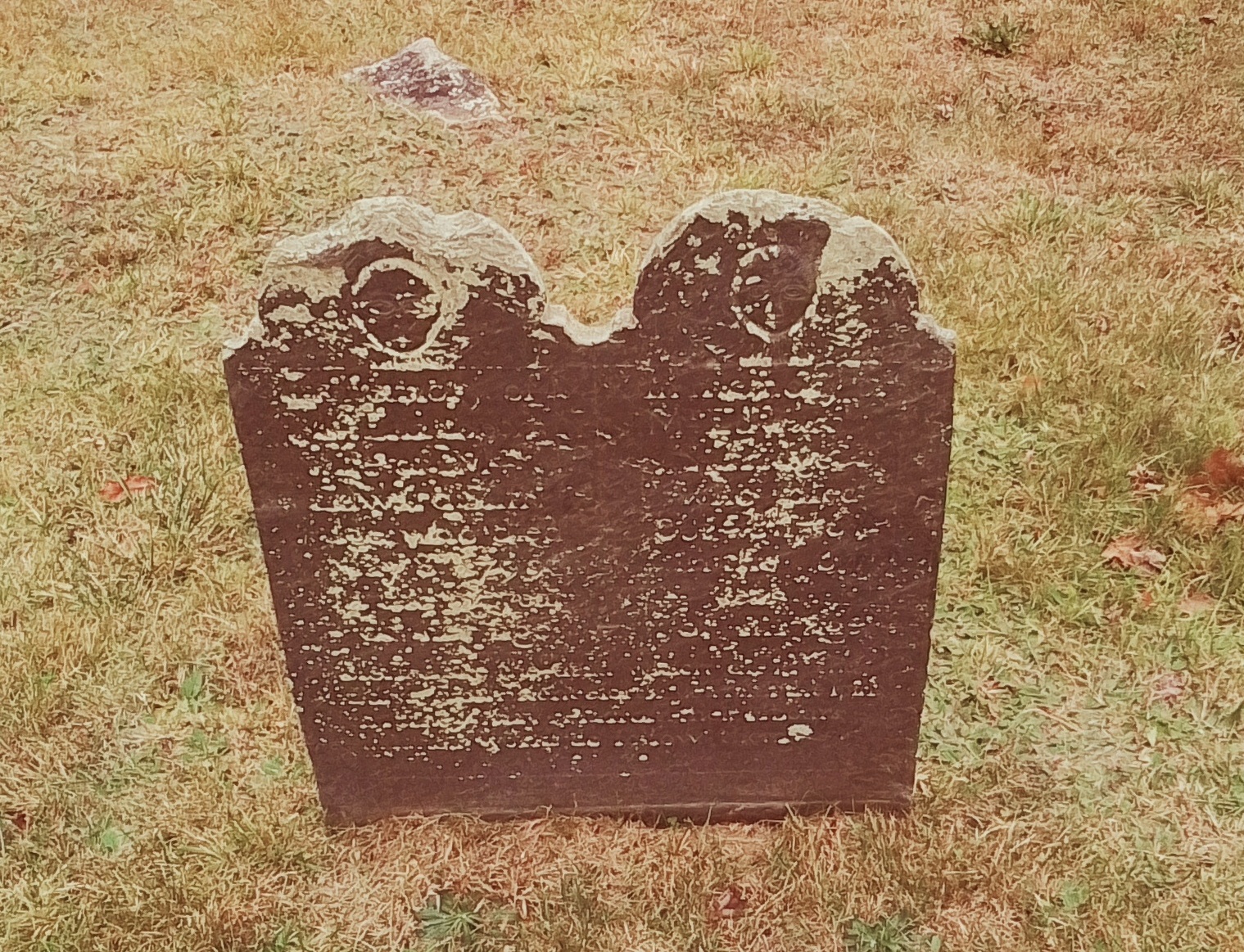
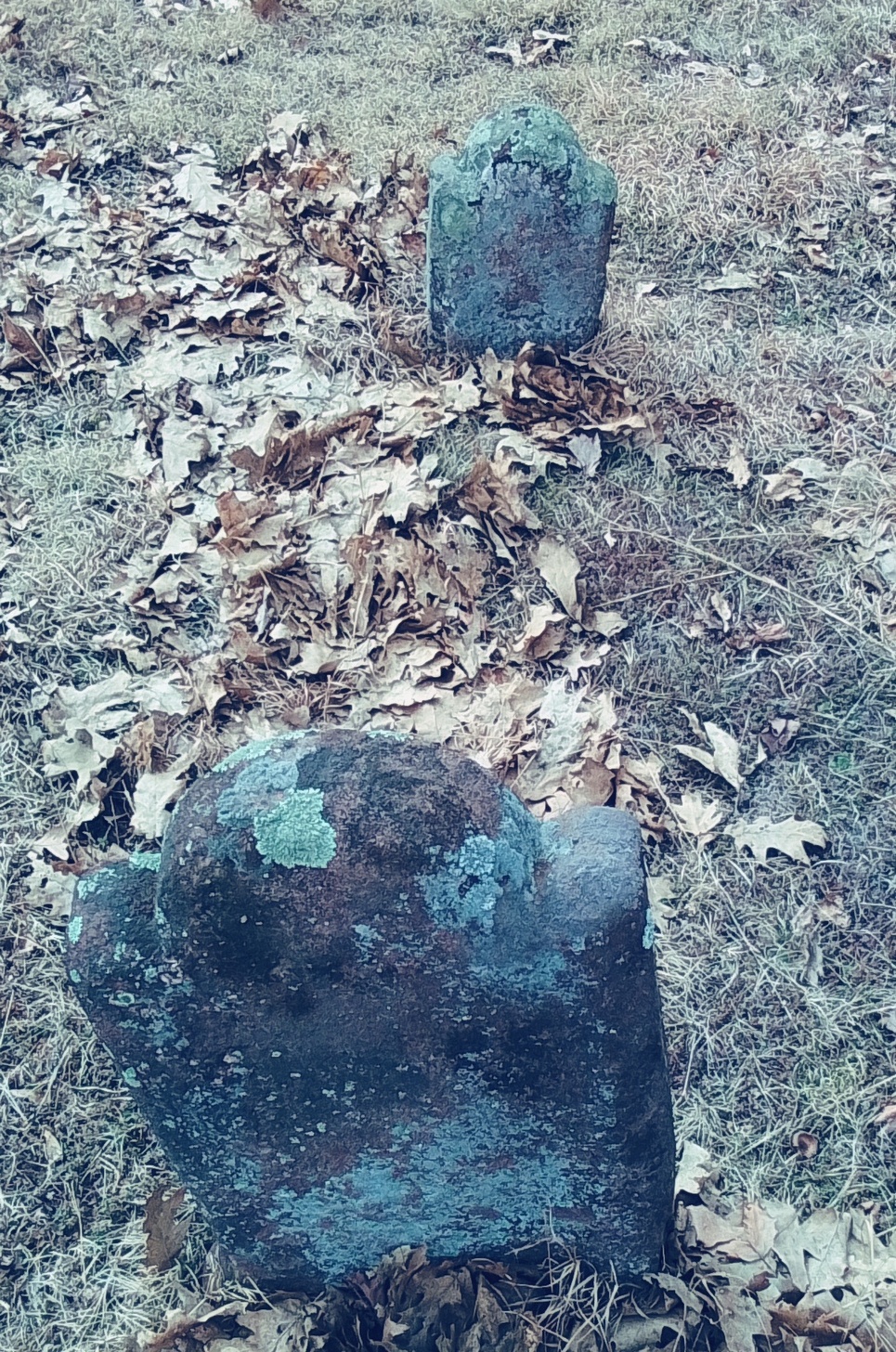
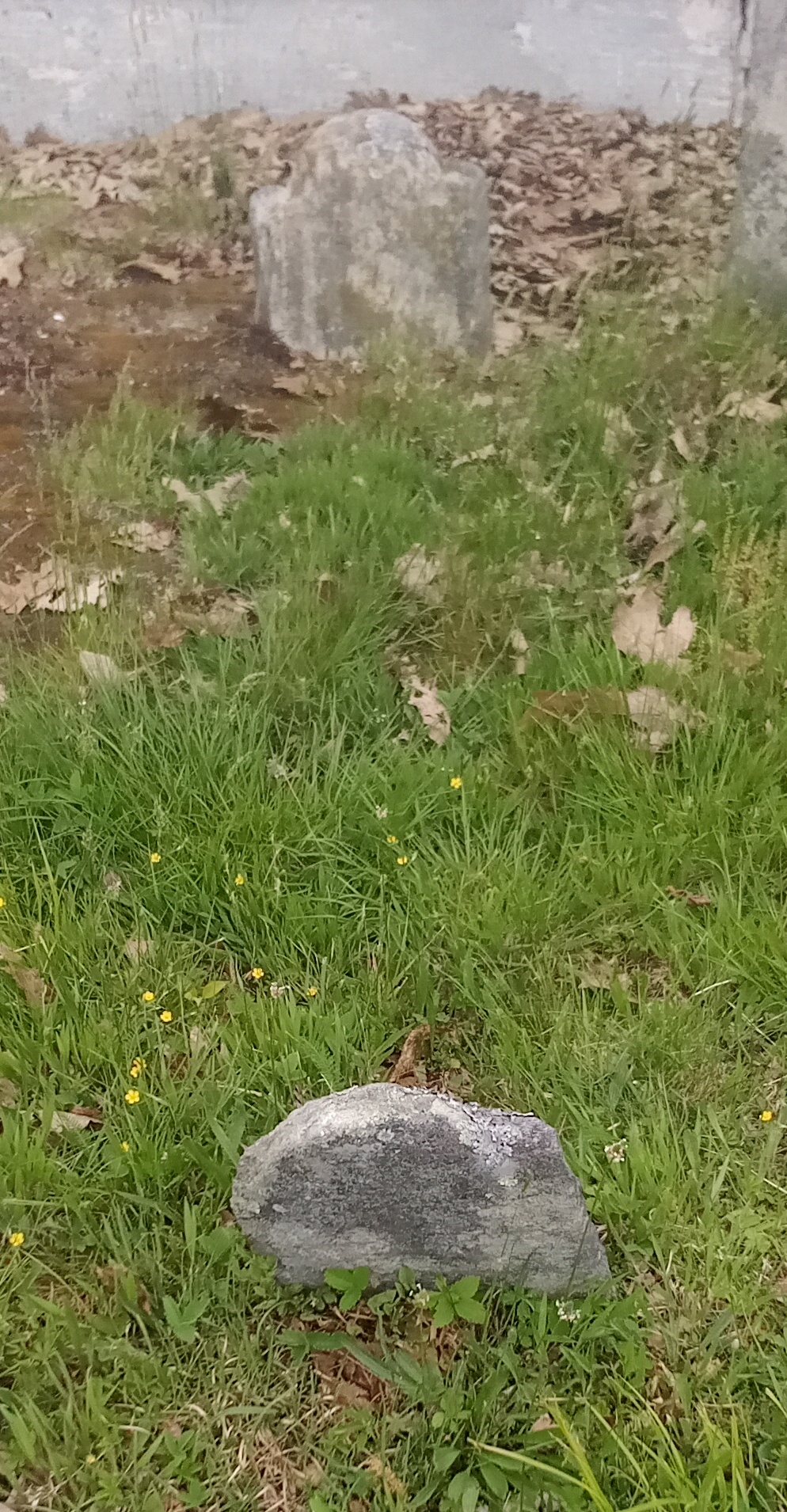
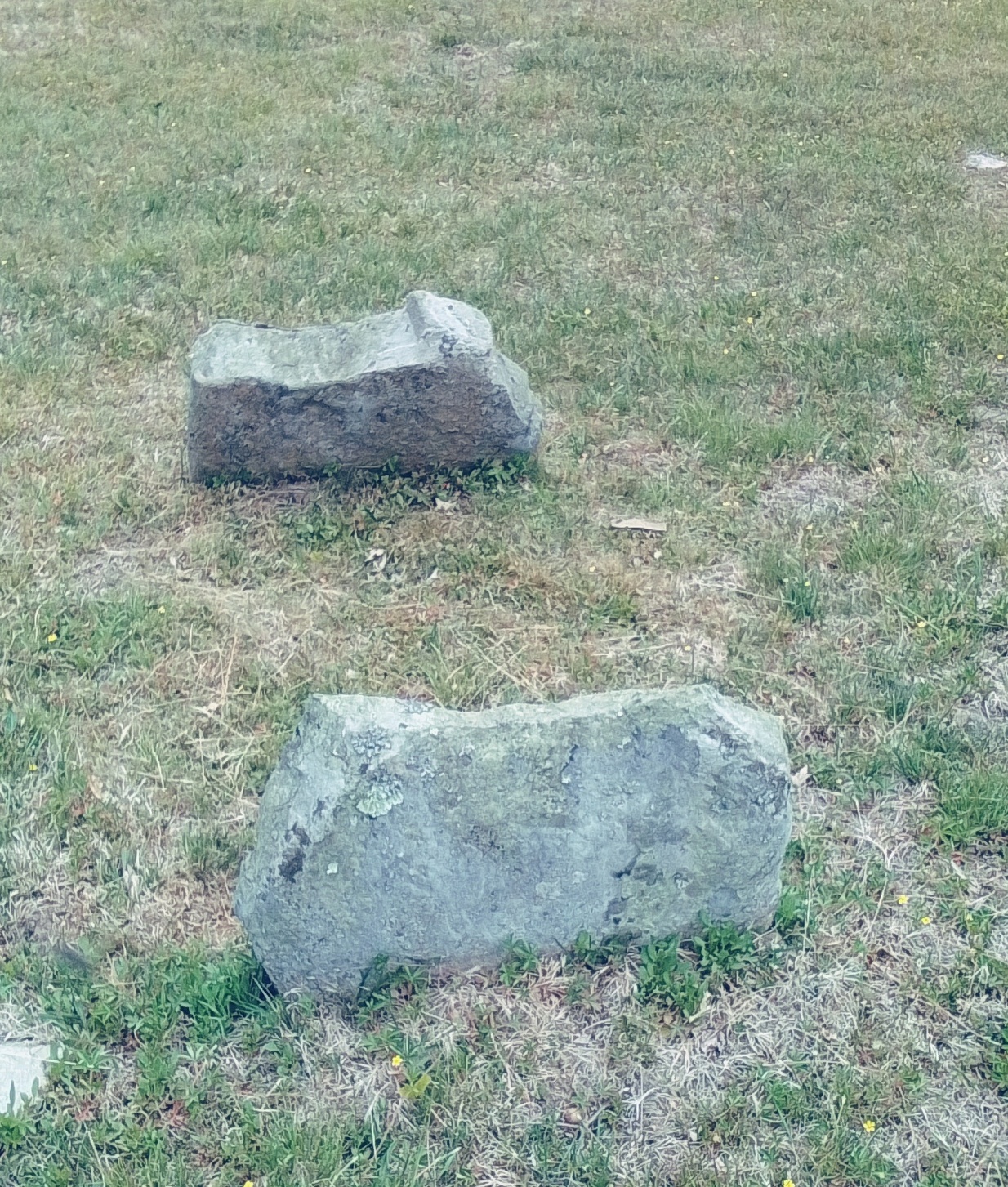
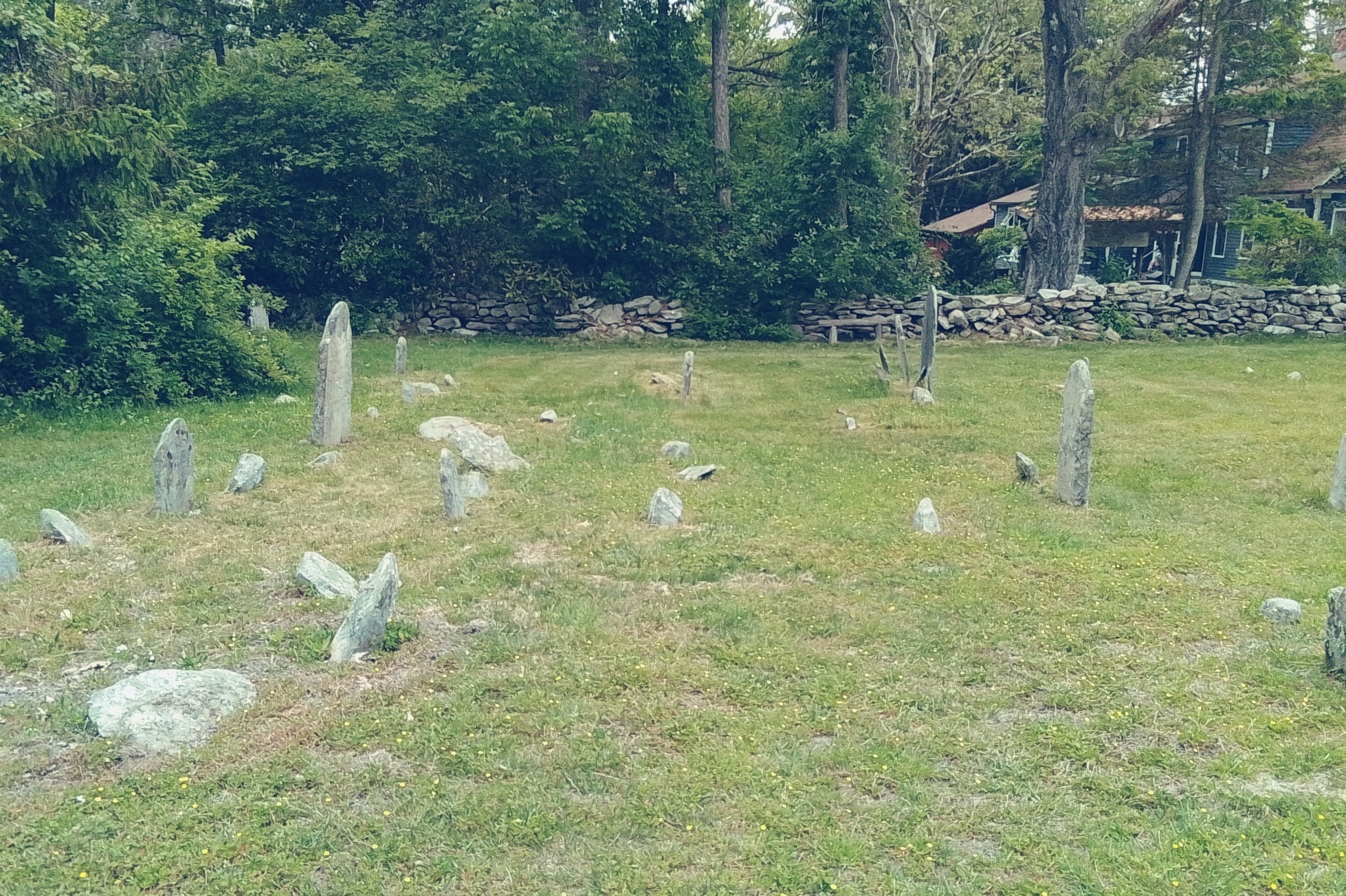
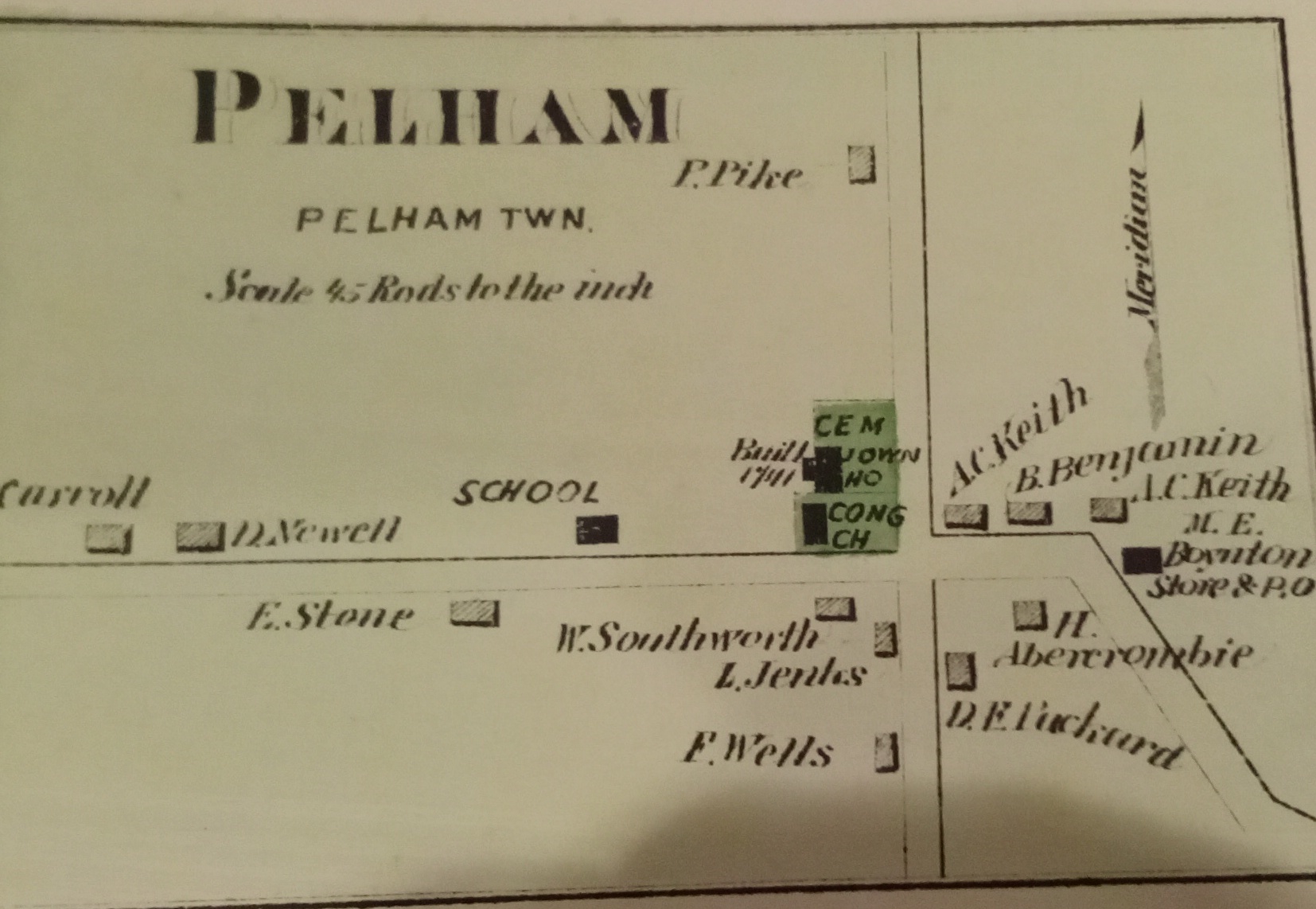
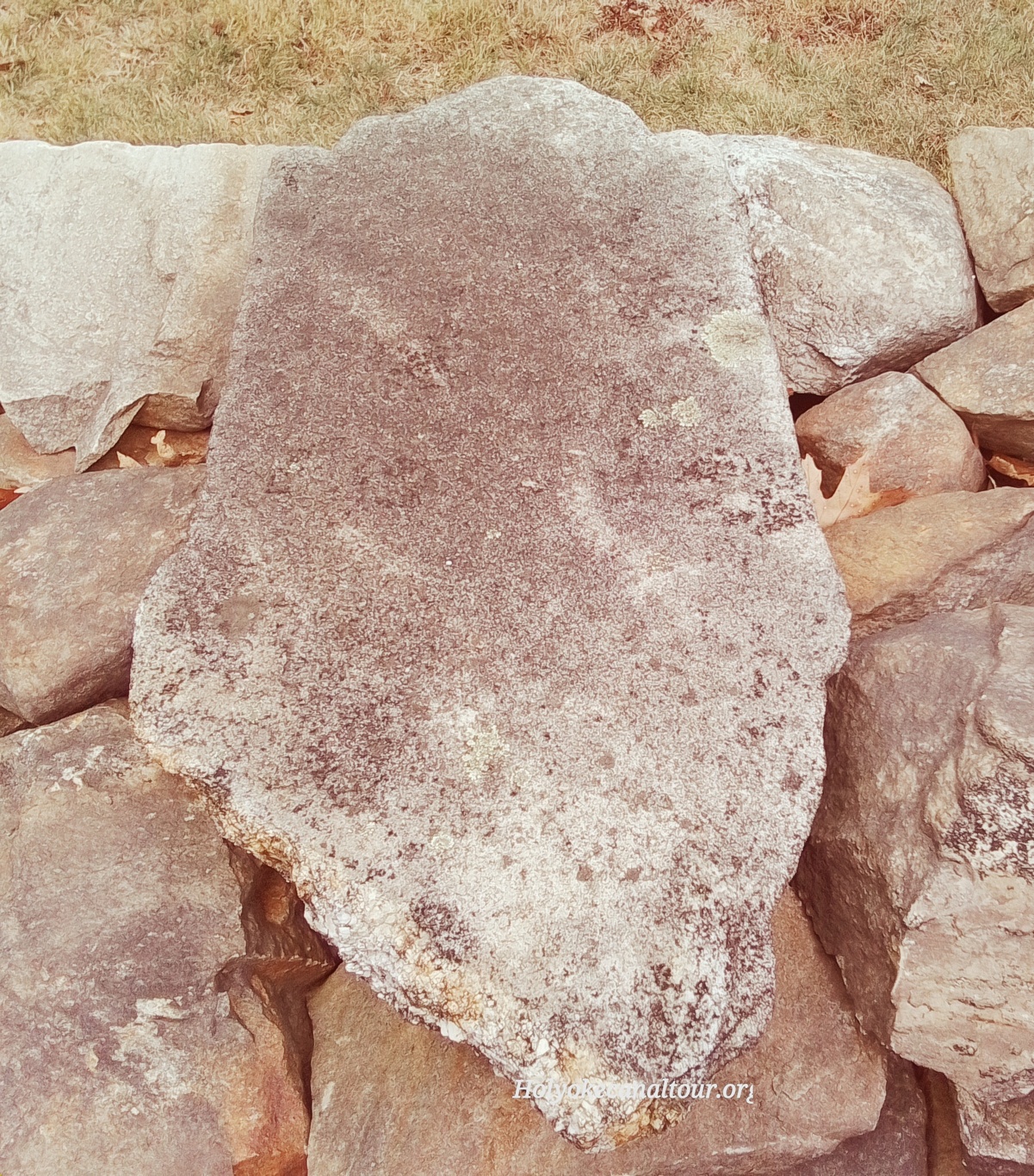
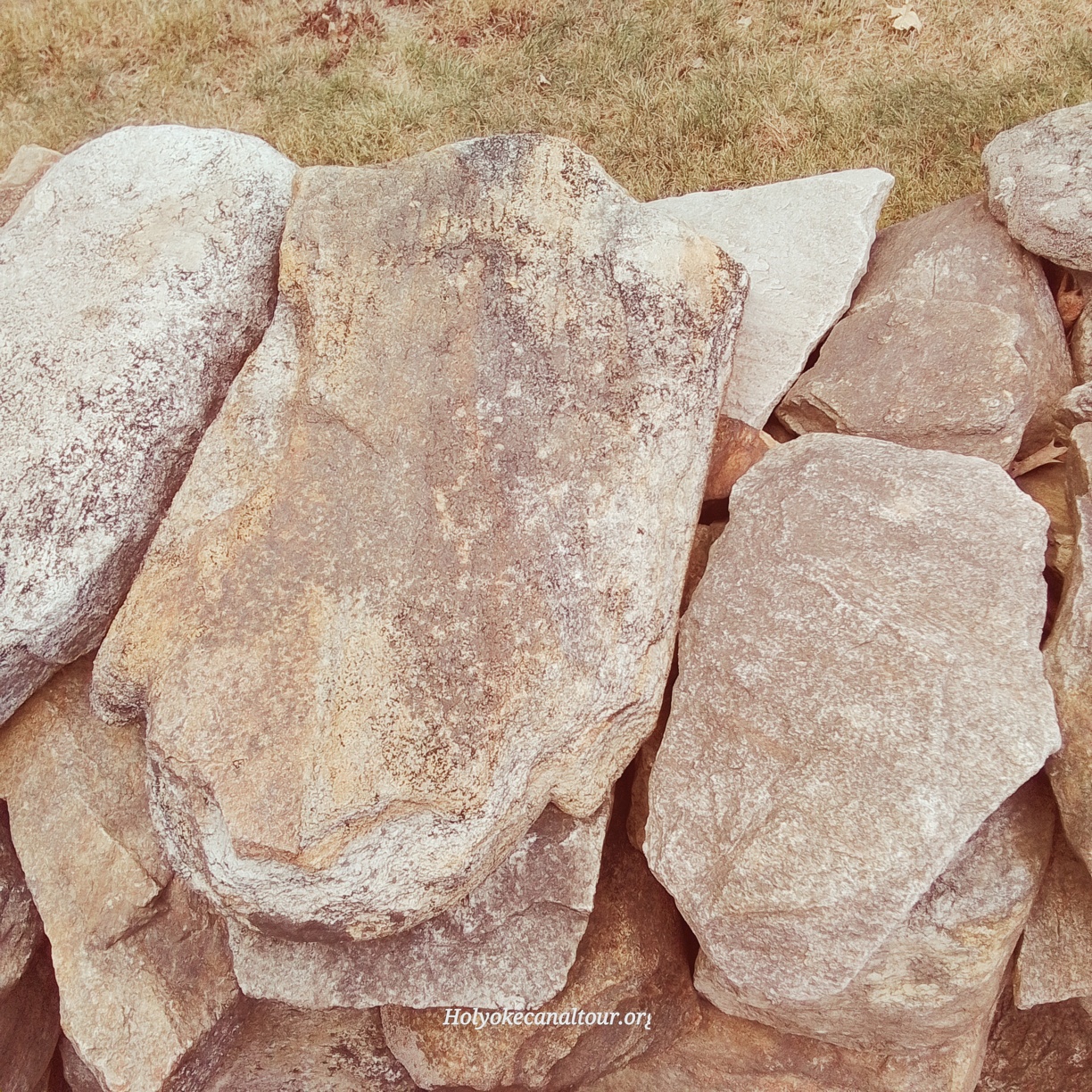
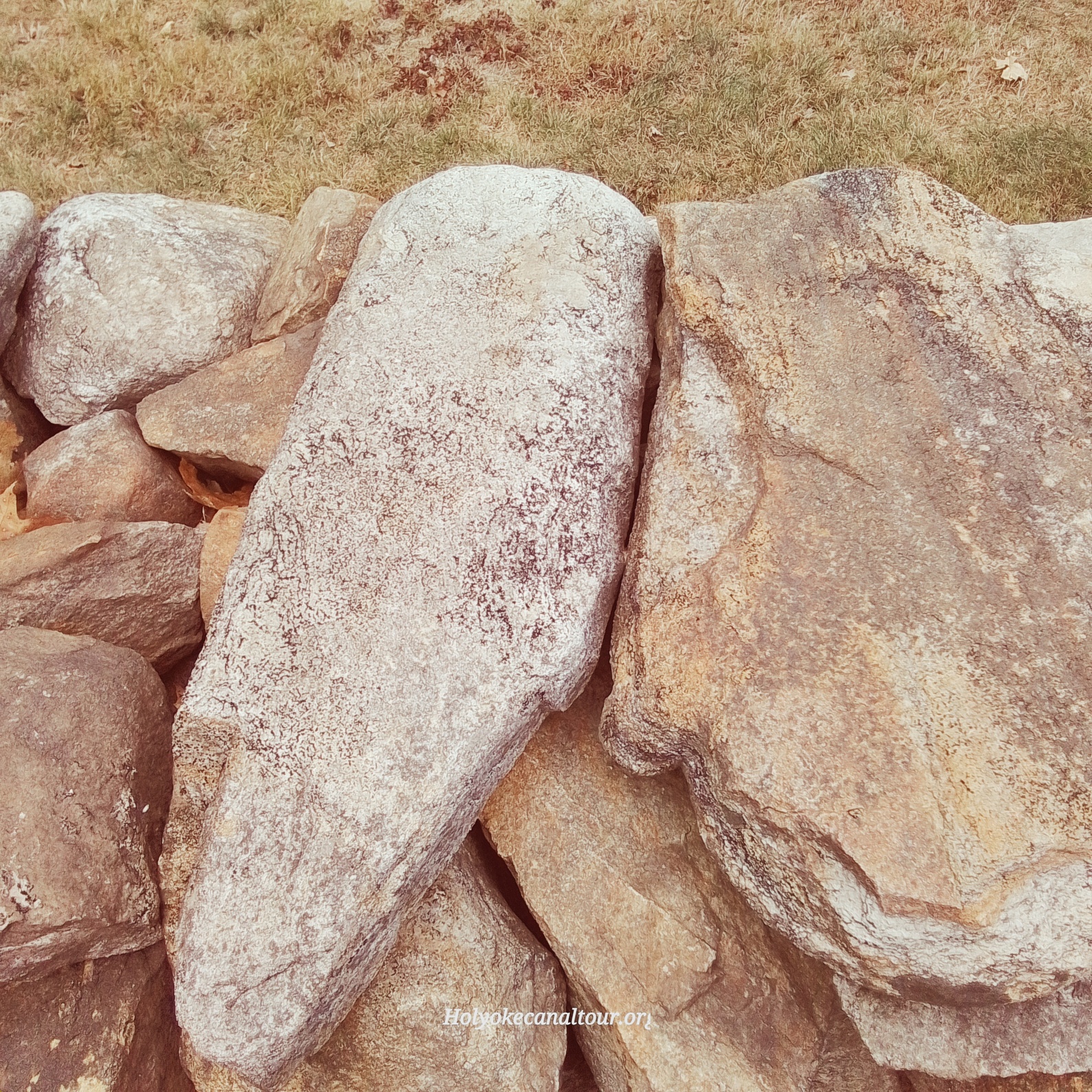
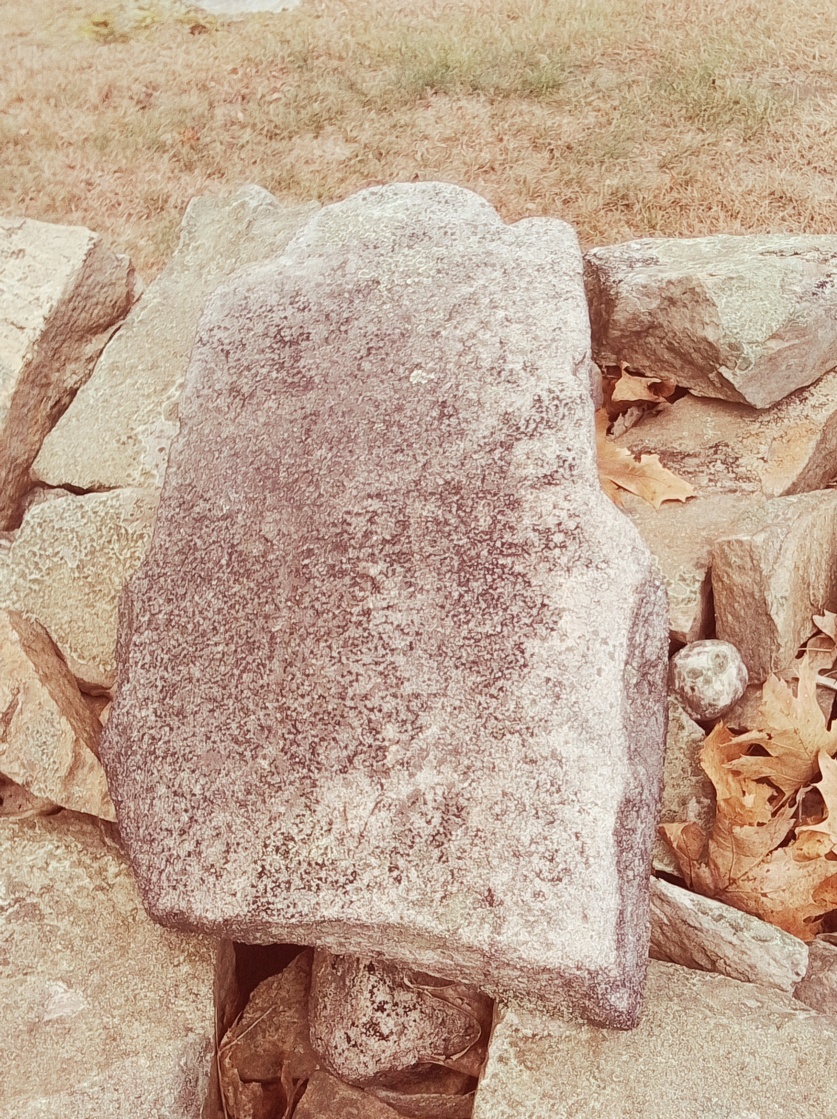
Pelham Hill Cemetery or what is also known as the Pelham Center Cemetery is from 1739. It is at the northwest corner of Amherst Road and Daniel Shays Highway (Route 202). This cemetery that has tombs called wolfstones which are rock gravestones that are shaped like flat stones that protected recent burials from wolves. There is a rare raw wolfstone near the front rows of the cemetery. This type might have been used to cover many people’s graves by moving it around from burial to burial. There is also a family which has three or four wolfstones in a row. One has inscriptions.
There were two movements of the town hall (Pelham Town Hall) backwards from the road. In 1839 the Pelham Congregational Church was made. Thus with two structures now in place, there was a lack of sufficient parking space for the carriages and the horses that would have brought visitors to the church and town hall. The hall was moved both to set the structure back from the line of the church to show that they were for different functions (religious and secular) and to give the church more prominence. But there was the second reason to add space in front to have room for carriages. This move was about 40 feet back. In 1845 there was a second move backwards. This 30 foot move only six years after the first move was for another set of reasons. Sure they wanted to have even more room in front but there was now open space in the cemetery. This is the push and pull mechanism that historians write of on all subjects. This was since the dead house was taken out and not replaced. In its stead a holding tomb was built into the Valley Cemetery. This Valley Cemetery was made in 1848 and perhaps the holding tomb was added during the years of construction of the new cemetery from 1846 to 1847. The hearse house (which was alongside the dead house) was also taken out and its function of protecting the hearse was taken over by a room inside the hall. They gained about 70 feet in these two moves. The dead house change was because the 1840s was a time of getting dead houses to be more secure from graverobbers and from wolves. This sequence of the dead house, hearse house, and potters field in the back right corner of the cemetery is typical of most cemeteries.
Some gravestones and wall stones were moved from the highway area to the back of the burial site. These were moved here in the 1930s to allow for the highway to be place here but also since they were in the watershed of the Quabbin. The first four rows were on the down slope and needed to be moved to the back of the cemetery so no molecules from the burial would led to the Quabbin Reservoir.
Scots Irish traditional burials – External LINK – There are about 1000 burials in this cemetery. About 500 of those burials are of the typical Scots Irish form. This tradition of using two stones and no markers is found in the Highlands of Scotland where these people came from.
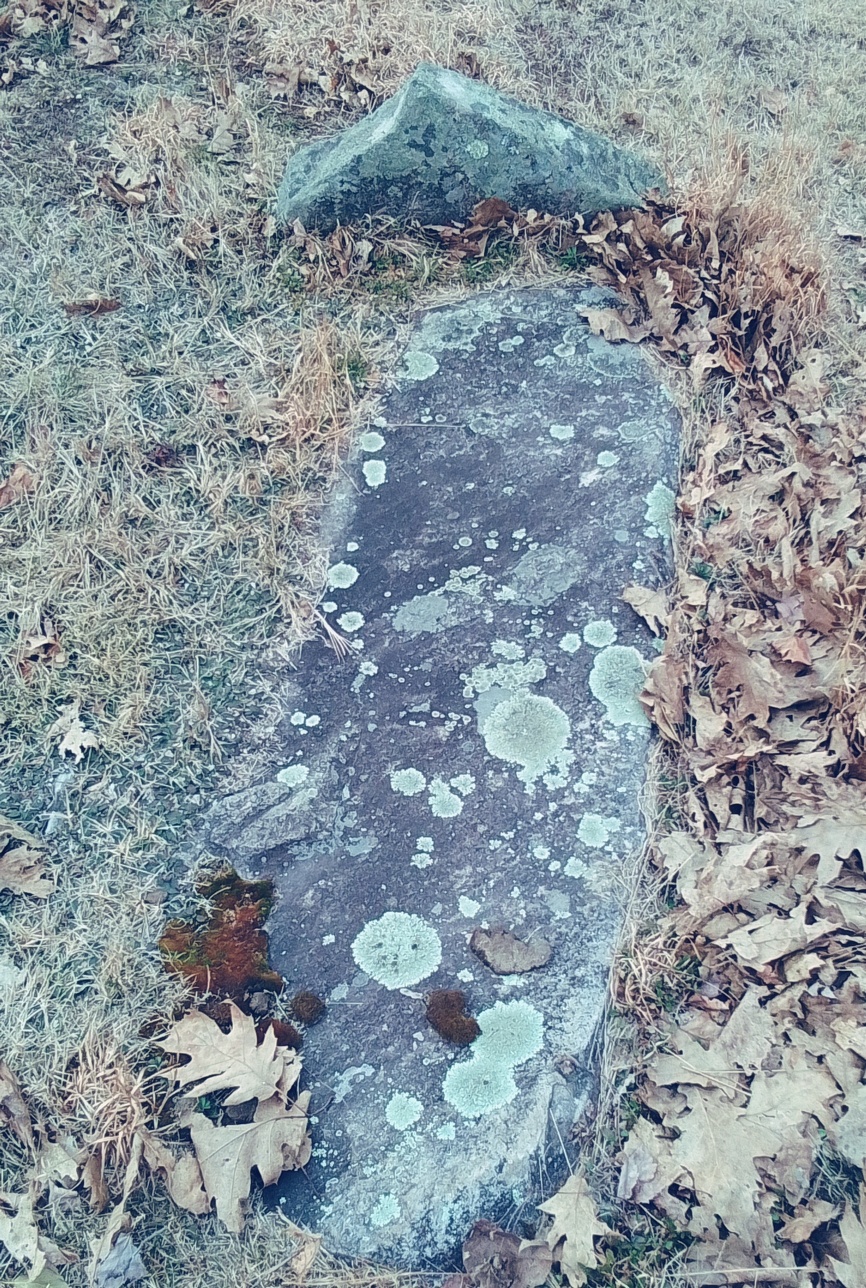
There is a series of three wolfstones in a row for a family in this cemetery. The look is that of a bed. This arrangement would evolve into a crib style with two gravestones with two side stones.
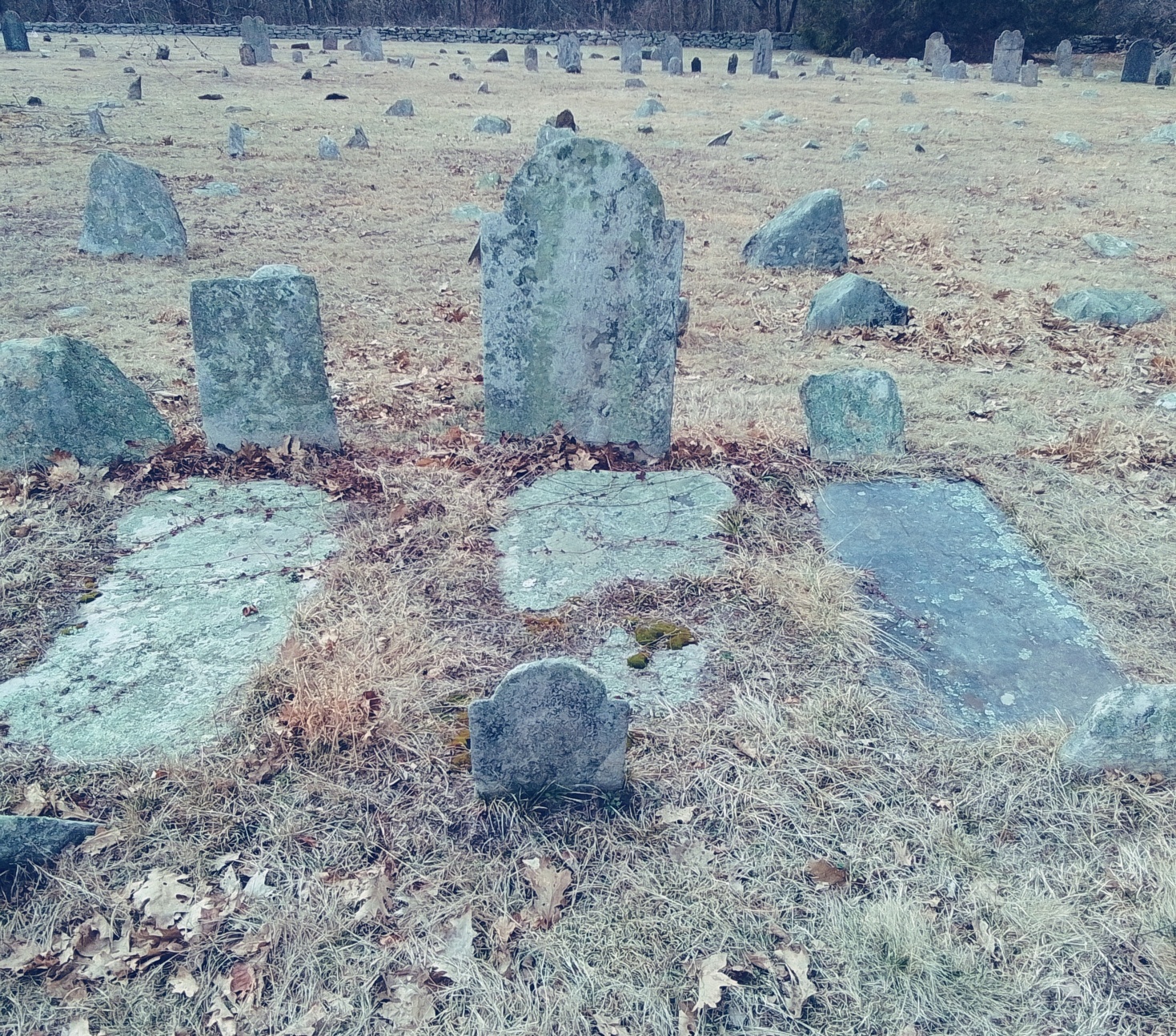
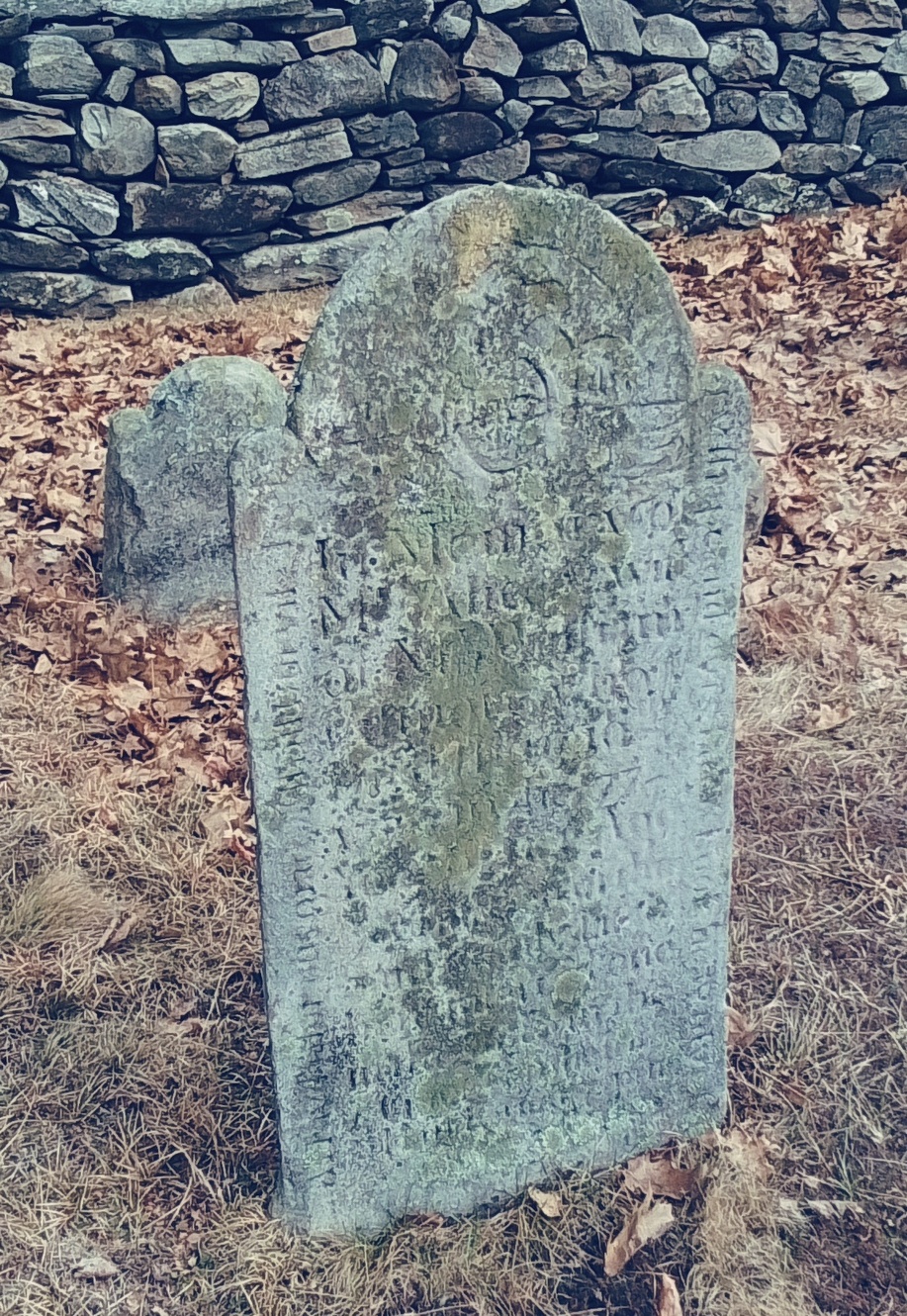
There are some headstone to footstone pairs but they are not correctly pointing outwards from the burials.
–
–
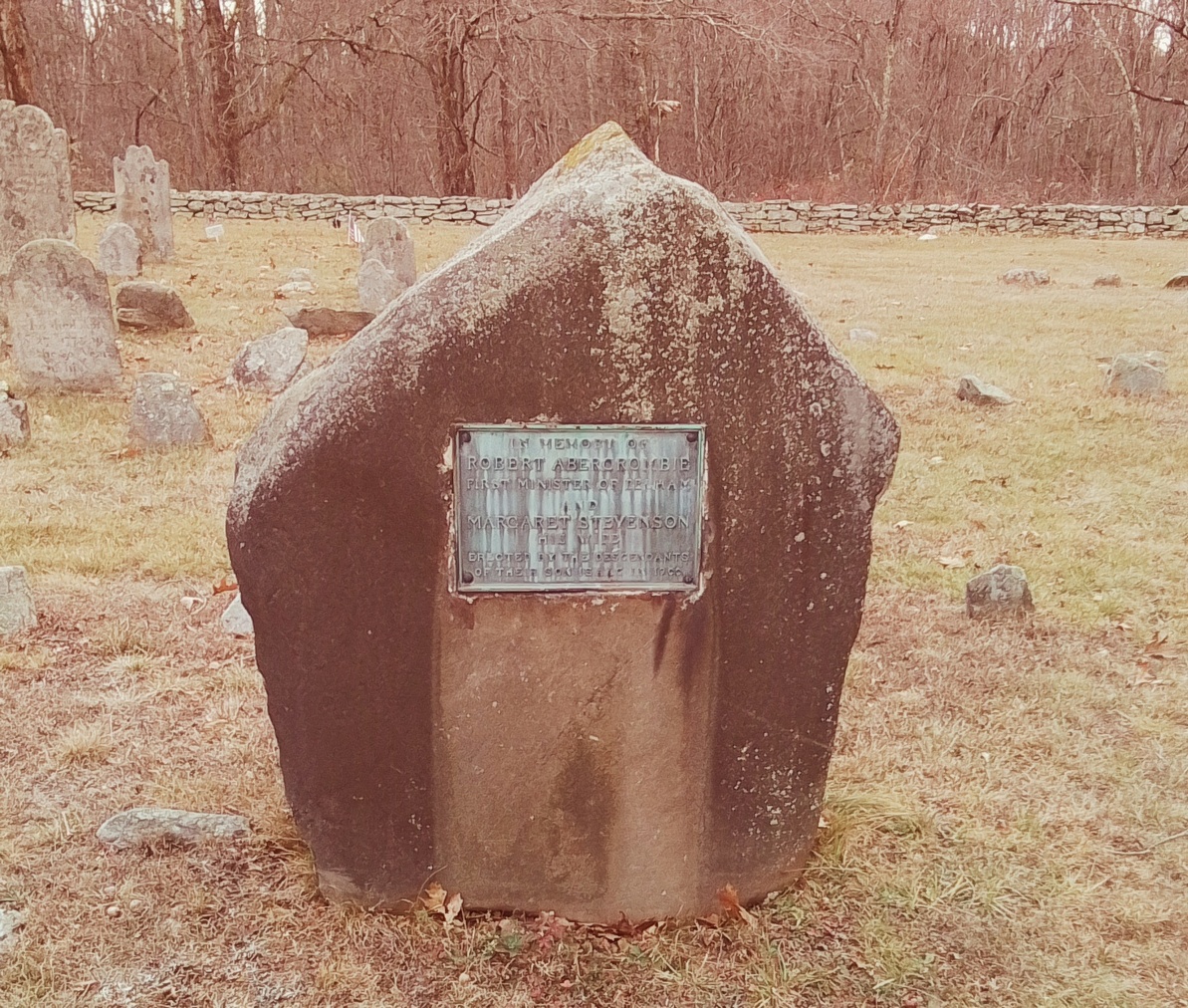
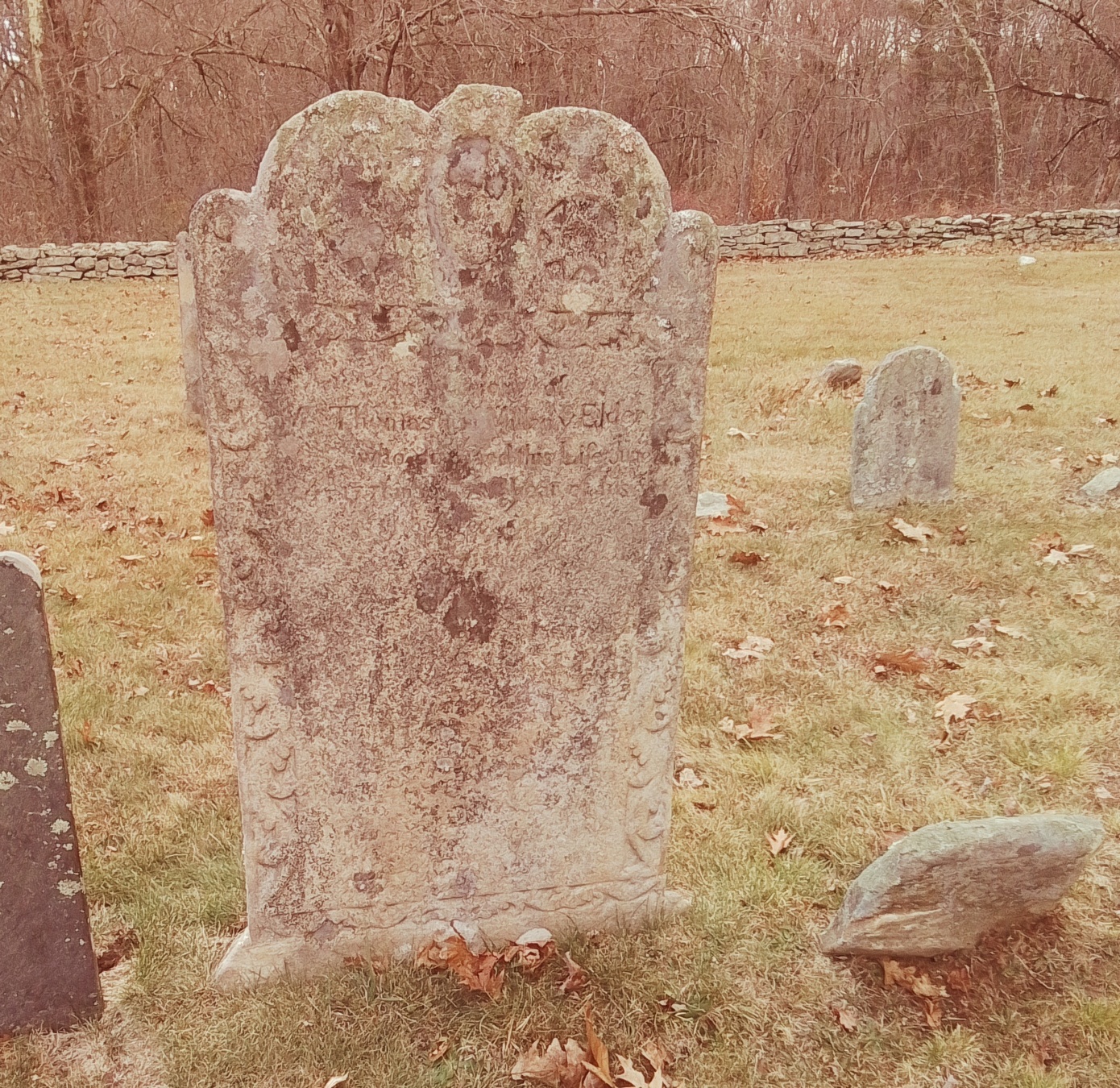
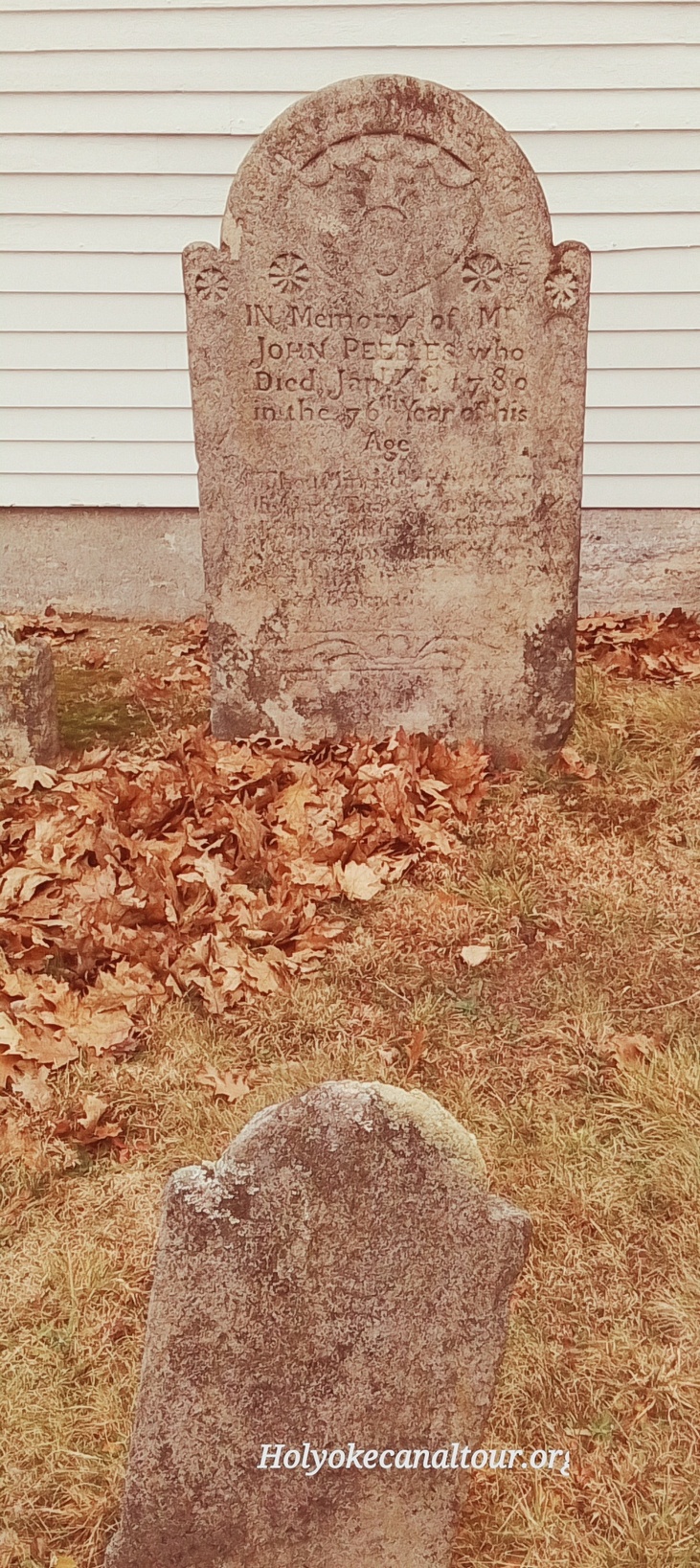
This cemetery has some interesting burials:
| person | notes | burial | Findagrave |
| Margaret Hood | 1758 | link | |
| Martha Conkey | 1748 | link | |
| Alexander Zuill | link | ||
| Robert Abercrombie | first minister | FINDAGRAVE | |
| Richard Crouch Graham | FINDAGRAVE | ||