Street’s Pond (Holyoke)

Street’s Pond (Holyoke)

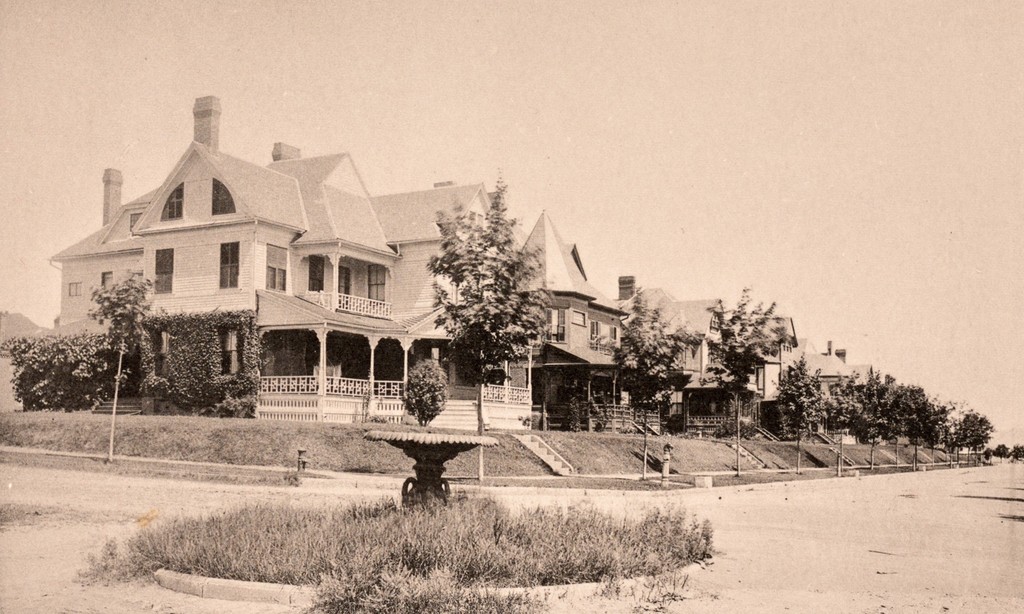
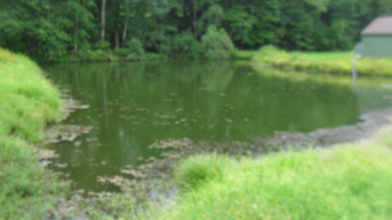
Street Pond was named after either Whiting Street or William Street. Whiting Street was a major stock owner of the canals in the Connecticut River Valley. William Street ran the hotel on the top of Mount Nonotuck.

Moses Newton ran a pulp mill there after he bought it from Street. With this pulp mill he helped to run his cardboard mills in Holyoke. One of those mills was the Newton Paper Mill – LINK

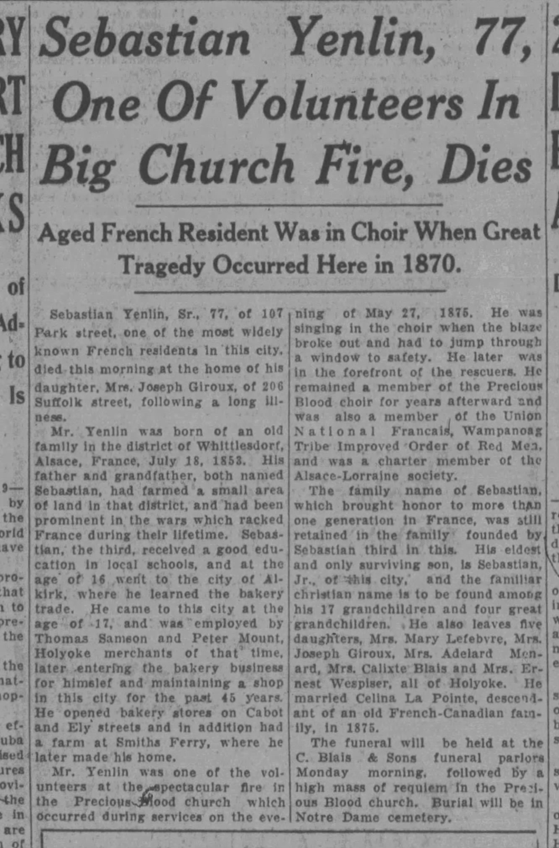
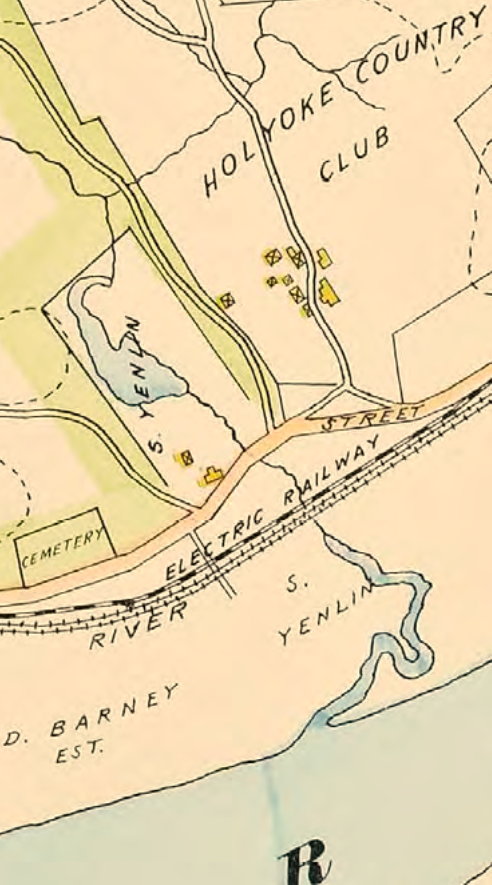
On October 3 1894 Sebastien Yenlin buys the land and pond from Newton.  Yenlin ran a grist mill and farm there. He also lived on the land. He ran bakeries around Holyoke and would have used the grist mill for that.

Holyoke Country Club started in 1906. When Yenlin died in 1930 the land might have been purchased by the Holyoke Country Club. LINK

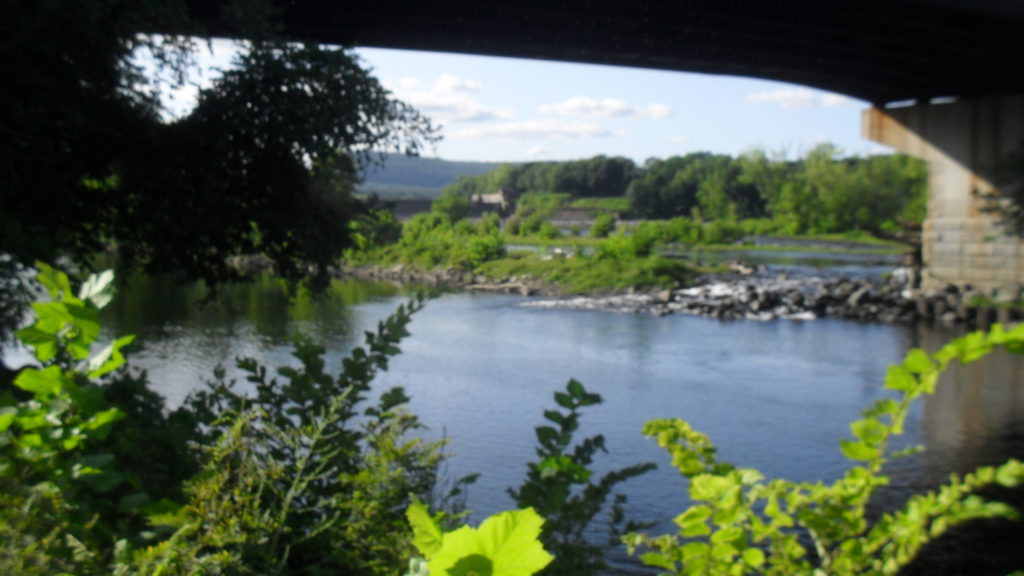
The eastern portion of the reservoir is now owned by the Mount Tom Reservation. The western portion of the reservoir is now owned by the Massachusetts Department of Conservation and Recreation. The Yenlin land on the Connecticut River is owned by the Mount Tom Generating Station.
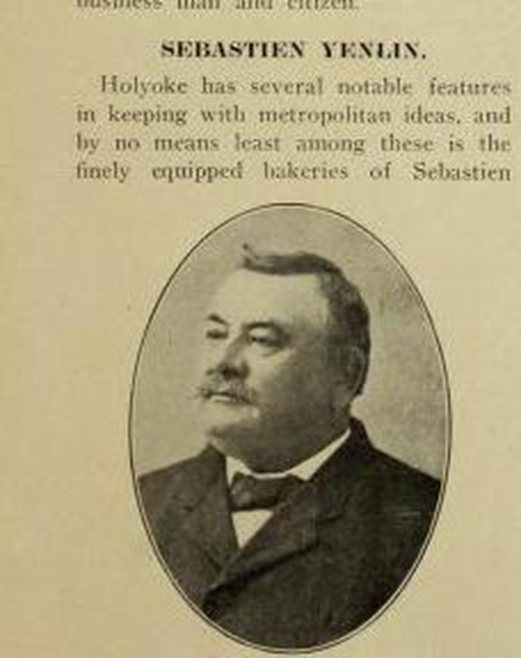
Yenlin at FINDAGRAVE

Ross Street and its Dingle

Ross Street and its Dingle

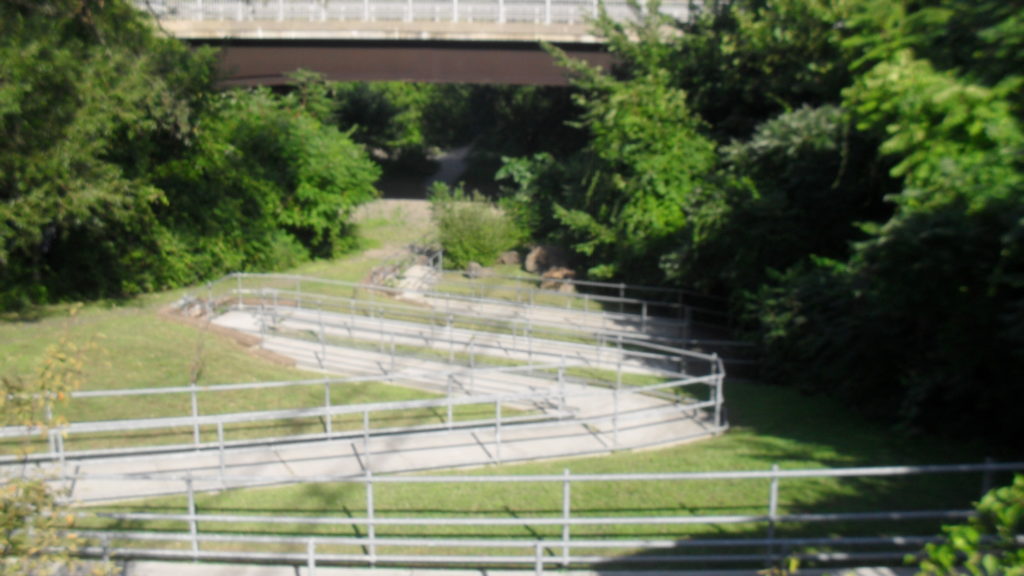
This is the lower area of the Elmwood Park. It was replaced by the Interstate 391 terminus. The Ward 6 pool, the original Sheard Park, and the Dingle were down there. Ross Street’s remnant is visible but only its lower section. The upper section went into the park. Many would call the upper part of Ross Street – Dingle Drive.

Into this part of Elmwood Park in 1934 the ERA (Emergency Relief Administration) had terraces built. These were mostly along Jackson and Maple Street. The ERA had other projects around the city. The ERA lasted from 1933 to 1935 and it was at that time replaced by the WPA.

Parapets in Pulaski Park (Holyoke)

Parapets in Pulaski Park (Holyoke)

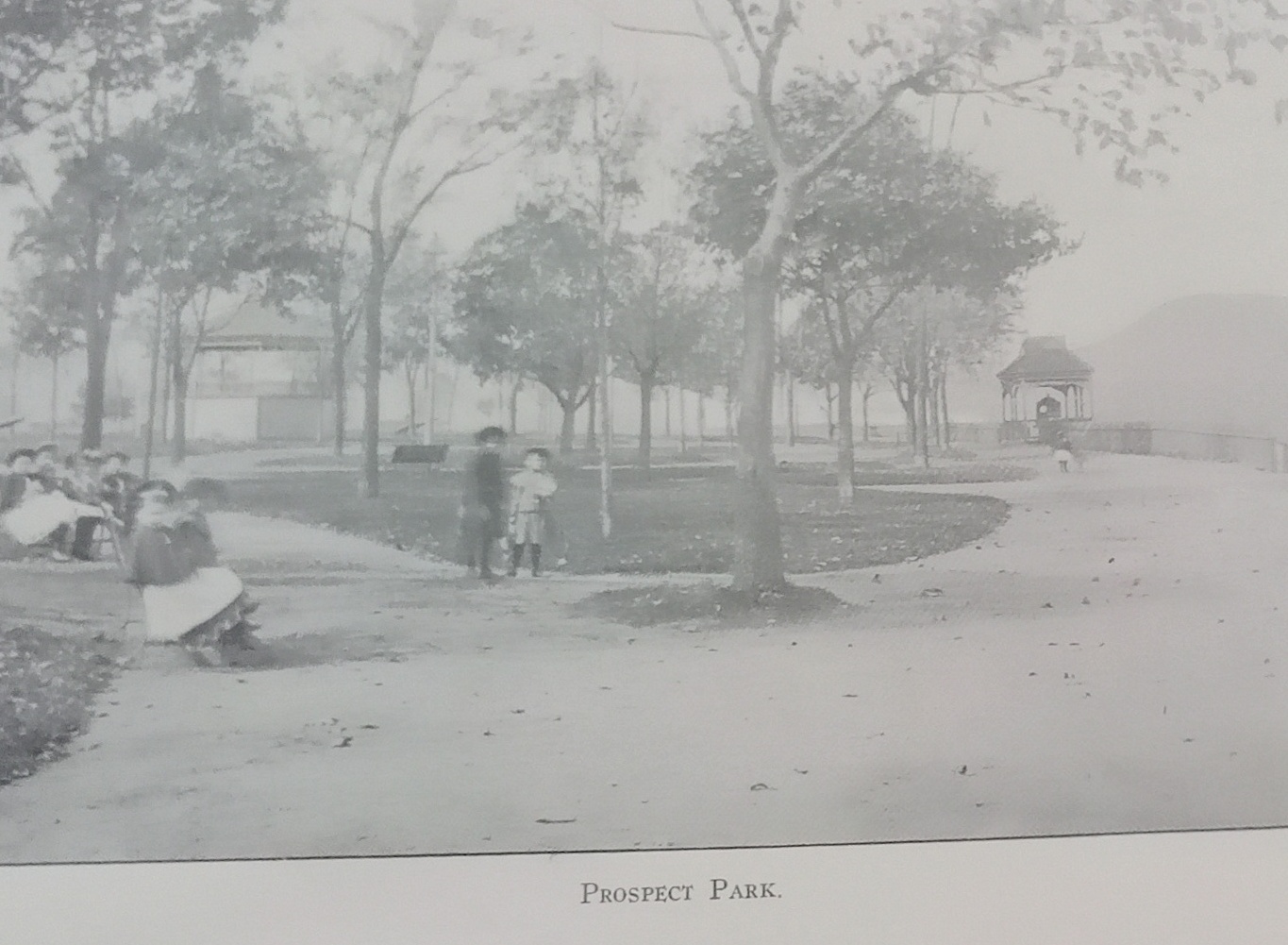
In 1910 the plans for Prospect Park were ready. They were extensive and much was done off of those plans.

When Prospect Park started in 1884, the views from this location were superb. At first there was no fence but later a wooden fence was added. The wall near the river was put in place in 1903 to 1904. The Olmsteds did not like the wall nor its construction but left it in place in their designs.

Finally in 1913 the work on the park was done. New and few walkways were added in lieu of the winding dirt paths. A bandstand and a children’s area was made. Look at the diagram at the top of this section. That is the park before Olmsted.

An inspection of the park now shows that the helter skelter dirt walkways were taken out in lieu of the concrete sidewalks.

Pulaski Park Memorial in Holyoke

Pulaski Park Memorial

The memorial in the center of the park was dedicated in 1939 when the park was renamed from Prospect Park to Pulaski Park. This memorial is now in line with Chestnut Street but it was not always so. Until 1948 it was in one of the corners of the park but was moved here so more people could see it. The dedication was at the request of medical doctor Julia Bauman. Also that year 12 new trees were planted since the 1938 storm had killed many. (The renaming also might have been helped along by a revamping of the park in 1936 due to a massive flood of that spring. The work trucks dug into the soil of the park and all needed to be redone.)

In 1955 Hurricane Diane would cause major damage to the park. Thus in 1959 twelve more maple trees are added to the park.

There once was a shelter building (opened in the spring of 1915) that allowed children and their parents to get out of the sun. This was located about 200 feet to the NW of this center.

Flowers were planted in some years, for example, in 1966.

Fairmount Square in Holyoke

Fairmount Square in Holyoke

Leslie White made starting in 1885. Fairmount Square ran from Cabot to Hampshire Streets. Notice the curbing at all four corners of the intersection of Cabot and Oak. They are rounded. This also occurs at two corners of Hampshire and Oak. These are the only locations in Holyoke where streets that meet at right angles are with rounded curbing.

Fairmount Square was at the corner of Oak and Hampshire Streets. There once was a large basin in the middle of this square. See at beautiful picture of it at the LINK.

Oak1880s ownerjob1916 ownerimagebuilt
243Isaac MontagueMontague and Adams Clothiers at 237 HighIsaac Montague1887
245Chloe Evans or Maria OuttersonEliza Newton (dies July 4 1945)
247Louise GallupGallup Clothing Store on High StreetAugustus Gallup
249Lewis HaywardSydney Whiting
251Alice HemingwayCharles Hemingway
253Ettie Richards
Lovering School
244Henry RussellRussell1885
246Amelia Whitingcoal merchantEdward Whiting
248Albert MagnaMagna
250Ettie RichardsJohn Shea
252Alice BennettlawyerAlice Bennett
254Julia HeywoodCharles Heywood

Nautilus Building in Holyoke

Nautilus Building in Holyoke

Nautilus at 245 Cabot is a gorgeous building. This was the home of a magazine called the Nautilus. Published from 1899 until 1953, it was a monthly new thought magazine. You would expect a high degree of symmetry in such a building and it does come very close. Notice though the fenestration at left compare to at right. The architect was trying to hide something in 1911. There is an 1886 Victorian home below the left side of the house and then they had limited space to the right so they moved some elements in closer. This is on the Oak Street tour since the address of the house underneath was 242 Oak Street and thus the front door faced to Oak. The 242 Oak home was made by the Charles and Etta Richards family (left it in 1905). In 1906 Elizabeth and William Towne would buy the house.

FINDAGRAVE for Charles Richards