Clear Reservoir as part of Ashley Reservoir

Bray Reservoir

Clear Reservoir as part of Ashley Reservoir

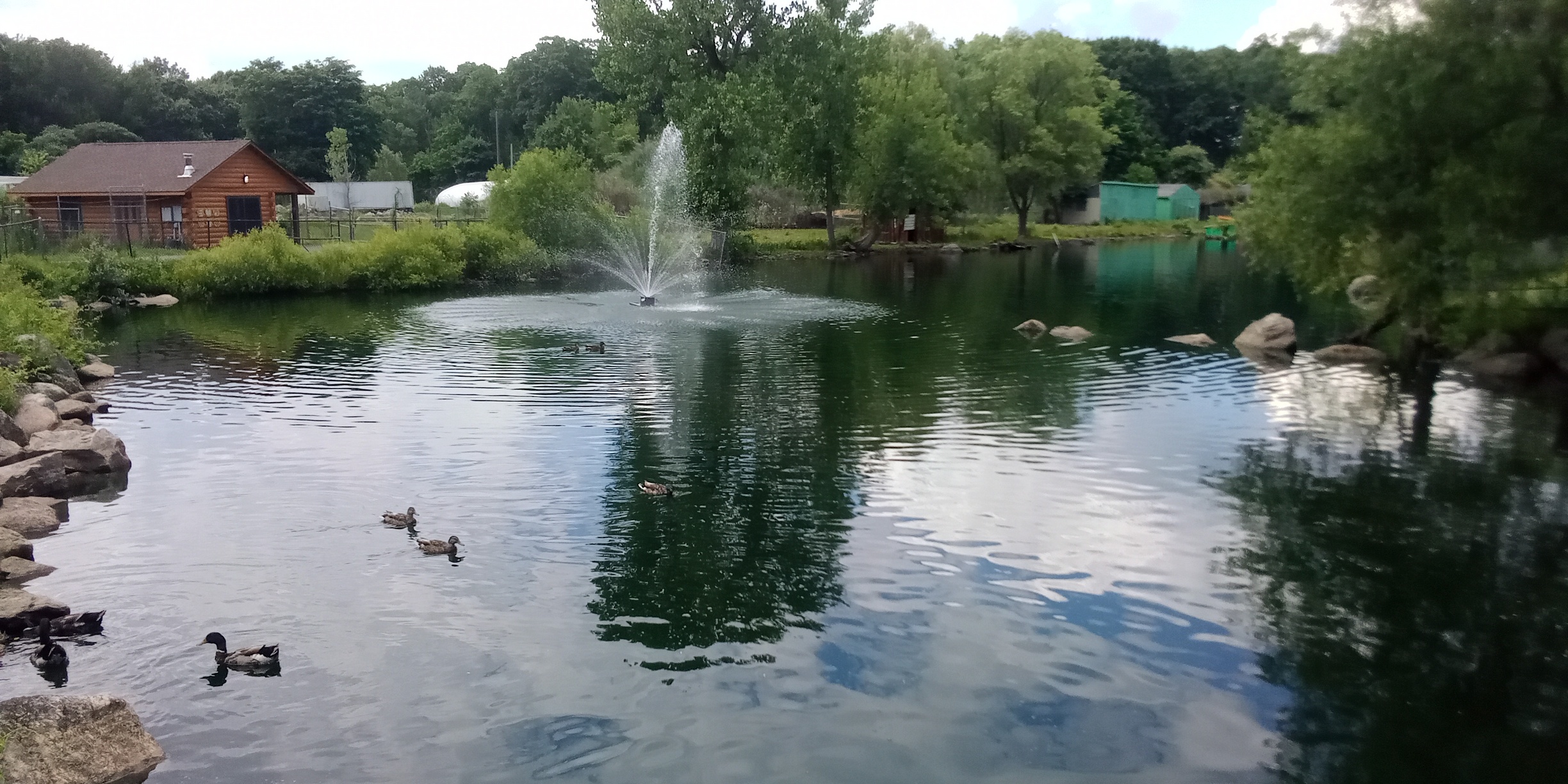
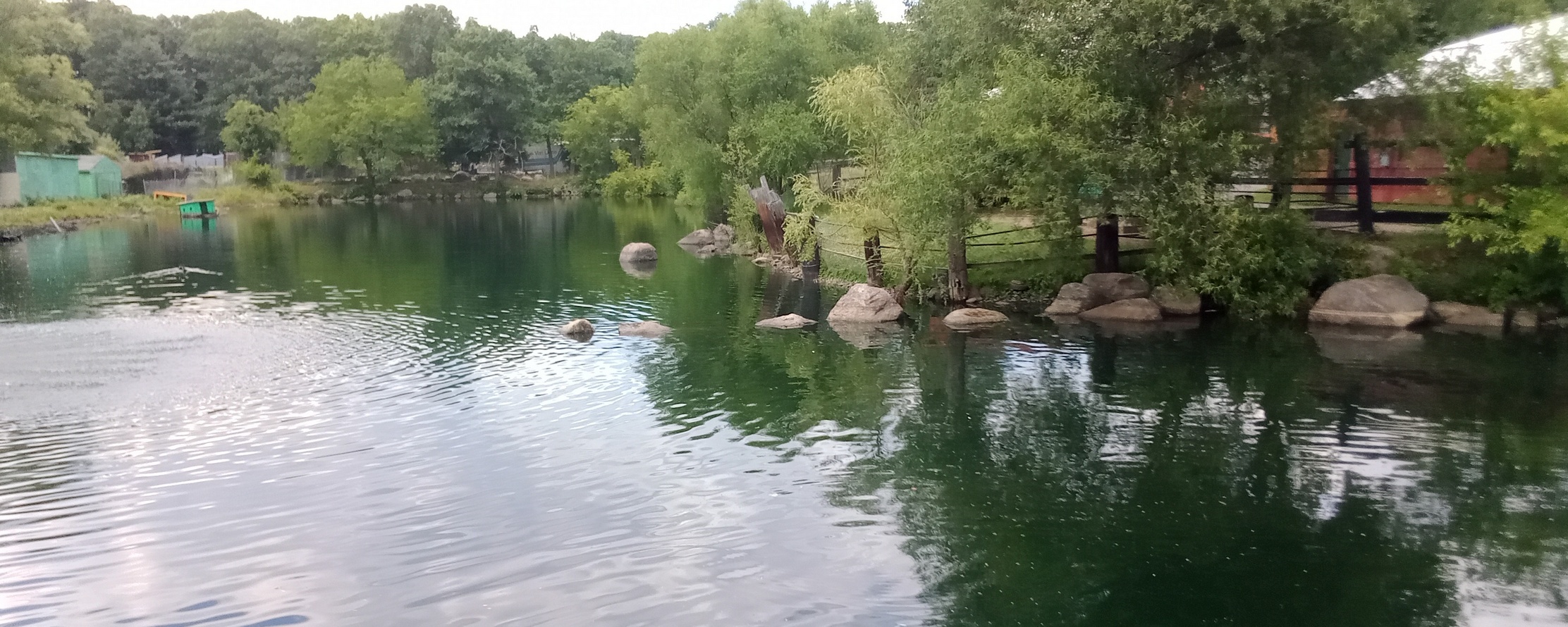
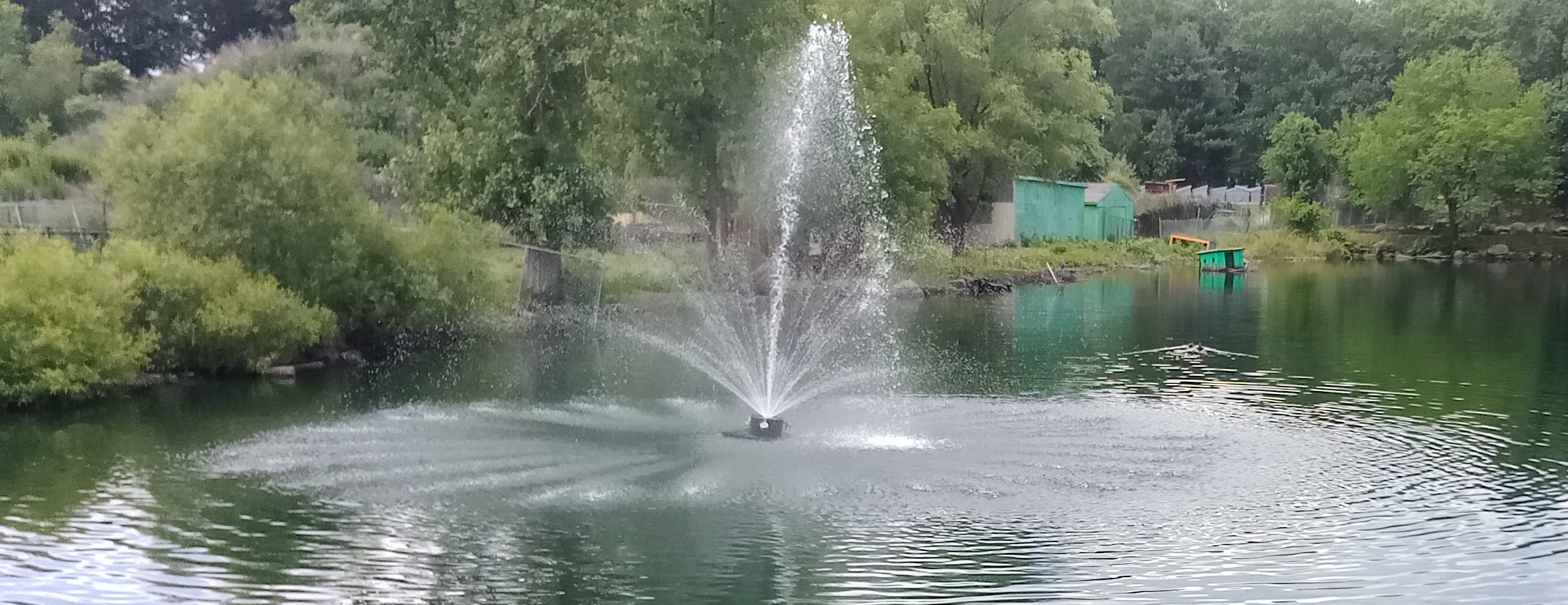
Bray Brook Reservoir is now called Clear Reservoir (LOCATION). That is since there is another Bray Reservoir in Holyoke and thus to avoid confusion, this body of water had its name changed. The Clear Reservoir Dam is the earthen structure in front of you. An initial dike was added in 1877. In 1880 the construction firms of Daniel O’Connell and John Delaney built in earnest a larger dike system on Bray Reservoir to allow for a massive storage of water. It took to until 1884 to extract any water from this new reservoir and until to 1885 to have Bray two thirds filled.

Its outlet now leads to Cedar Reservoir but once lead via pipes to Wright Pond. Hurricane Diane in 1955 breached the dam of Clear Reservoir so the water enters into Cedar Reservoir. The New England Hurricane of 1938 had done little damage to the Asley Pond System but Hurricane Diane was a bitter lesson.

The source of water of Clear Reservoir is Bray Brook which arises two miles to its north near Cherry Street.

Bray Small Pond was a tiny swampy pond to the east of the Bray Pond. In 1938 and 1939 it was filled in with gravel and a topsoil layer of 6 inches (which had been taken from the Tannery Reservoir).

Cedar Reservoir as part of Ashley Reservoir

Cedar Reservoir

Cedar Reservoir as part of Ashley Reservoir

Cedar Reservoir is to the west of Wright’s Pond (LOCATION). Note the drainage pipe between these two ponds close to the surface of the water. This allows the surface elevation to be the same between the two reservoirs. Thirteen reservoirs that make up the Ashley Pond Reservoir system has similar pipes between them. Cedar Reservoir once had an intake of water at its southern tip but now is fed by the breach of the Clear Reservoir Dam. Cedar Reservoir was most likely made in 1880 when the Bray Reservoir was made.

Notice behind you that Wrights Pond is cut off twice.

Causeway Crossroads at Ashley Reservoir

Causeway Crossroads at Ashley Reservoir

Causeway at Ashley Ponds

Four roads meet at this intersection of Ashley Ponds Reservoir (LOCATION). Formerly, the main road was called Rock Valley Road but now it is called Whitney Road. The causeway to the north separates Wright’s Pond into two parts and likewise with the causeway to the south which separates Ashley Pond. The northwest body of water is Wright’s Pond and the northwest body is Wright’s Cutoff. The southwest body of water is Ashley Pond and the southeast body is that of Ashley’s Cutoff. There are 11 named reservoirs in the Ashley Pond system and 3 more without names. The unnamed ones are on Charles’ Hill in your descent from the Elks Club.

In 1875 the land around Ashley and Wright Ponds was raised. Again in 1880 the land was raised again to make dikes. In 1880 also boundary stones were placed around both ponds. In 1896 the stone and wood wall that were around the reservoir system were taken down perhaps since the next year the causeway system would be put into place. At the crossroads that you are at now however cement walls were added. You can still see these below the surface of the water on the road to the east. In 1908 the road here was raised 18 inches and in later years the road was raised more. Now as you can see the concrete wall that was once at waist height is now very low.

Neighborhoods of Hatfield

Neighborhoods of Hatfield

Upper Main Street

Bradstreet Historic District – Main, Depot, and Old Farms Roads – River Road and then Bashin Road Tobacco Barns

North Hatfield Historic District – West Street near Depot Road – the Boston and Maine Railroad Depot is 166 Depot Road and is from 1850 – North Hatfield Elementary School – 312 West Street from 1871

West Hatfield Historic District – West Street near Church Avenue – has the West Hatfield Congregational Chapel

Mill – Prospect Street Historic District – Chestnut, Bridge, and Prospect Streets – agricultural

Hatfield Center Historic District – Main and Elm Streets and Sunset Avenue – numerous organizations

Elm Street Historic District – one feature is the Oliver Partridge House at 15 Elm Street from 1740 – the Graves and Lowell Mansion at 18 Elm from 1874 – Roswell Hubbard House at 24 Elm from 1820 – Henry Porter House at 26 Elm from 1760

Old Mill Site Historic District – Shattuck Gun Factory – part of the Mill and Prospect Street Historic District