
Moses Damon Cemetery
– 39 Cowper Road
Moses Damon Cemetery
– 39 Cowper Road
Damon Family Cemetery
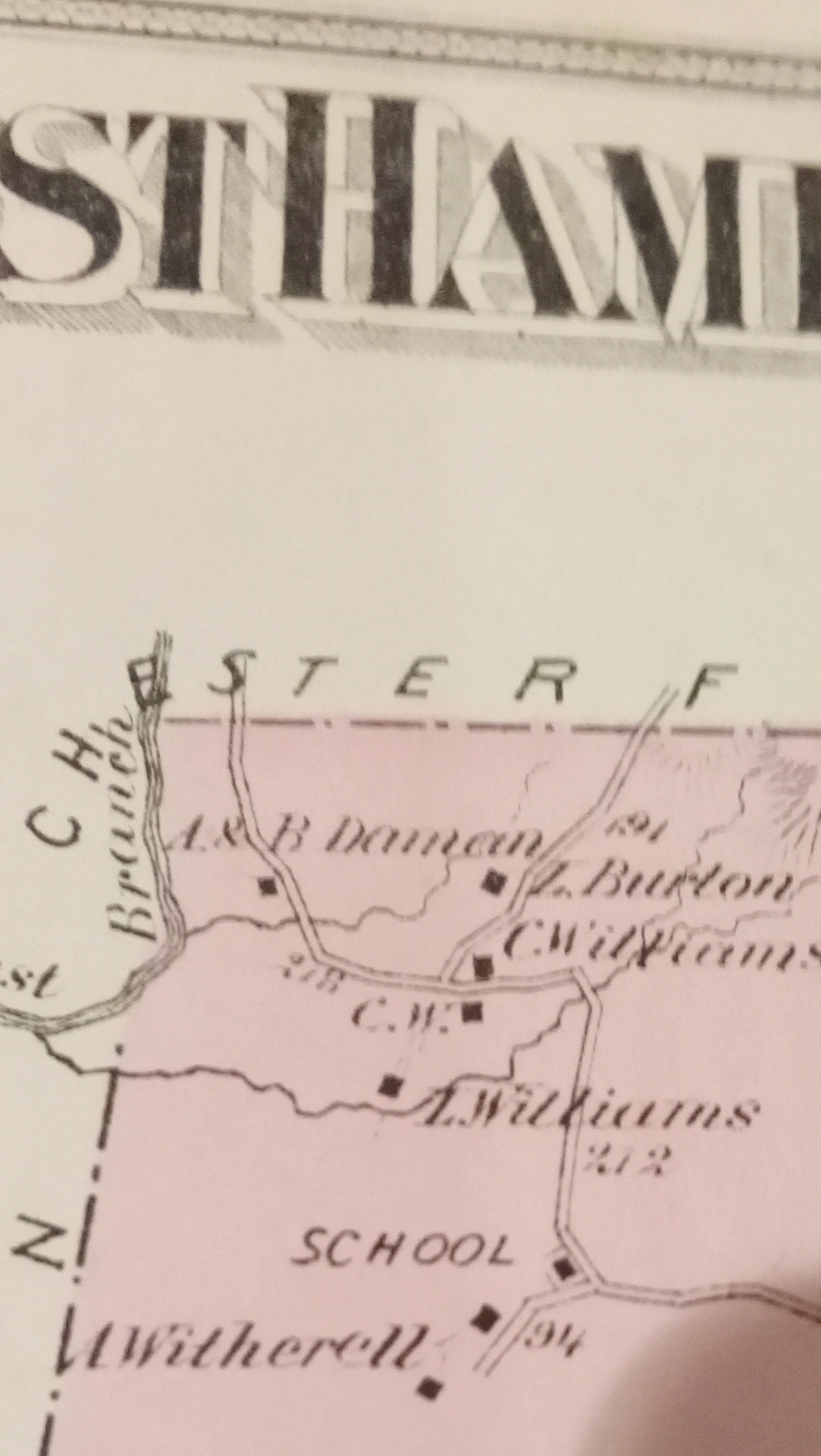
(356 Northwest Road) – in NW sector of town near border with Chesterfield – other family cemeteries in Westhampton were moved to the Center Cemetery – Olive Damon and her husband Nathan Damon are the first burials here and that being in 1841 – FINDAGRAVE
Damon Family Cemeteries of Massachusetts
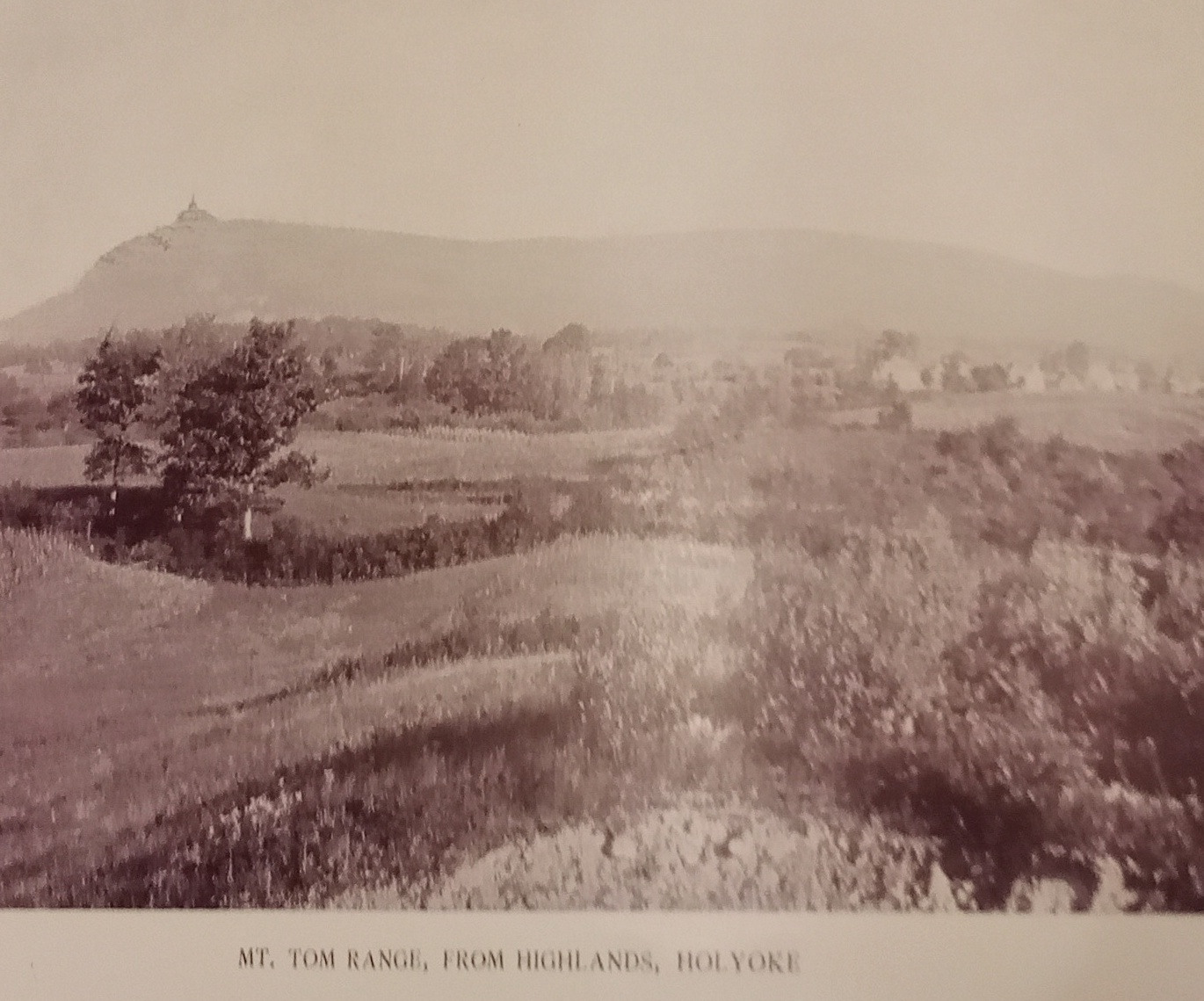
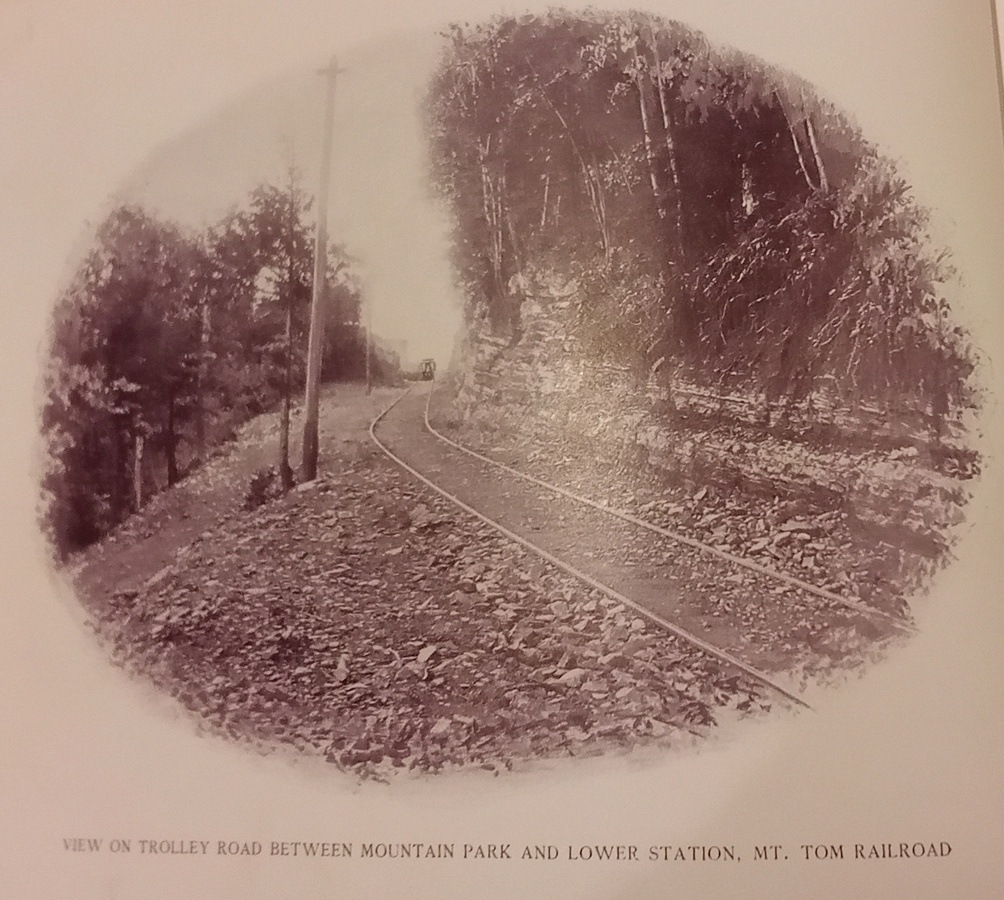
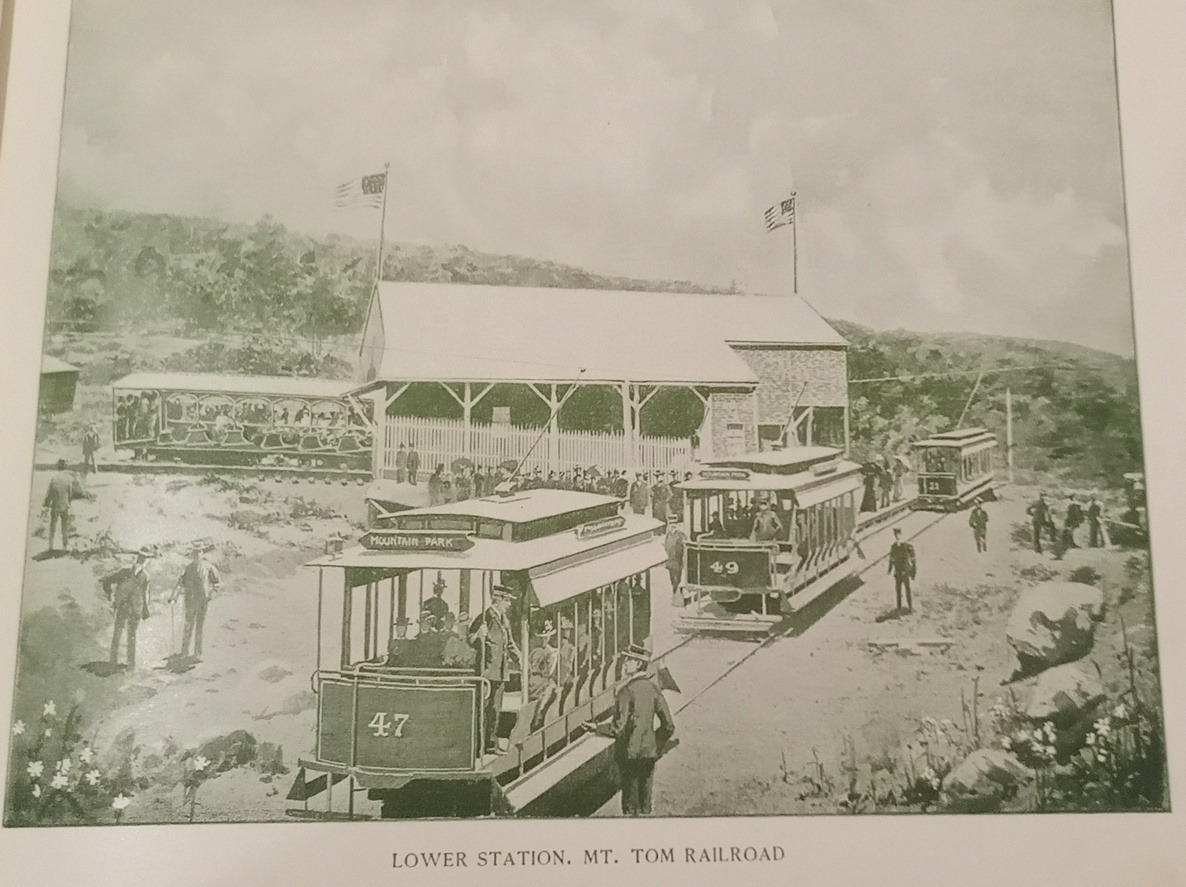
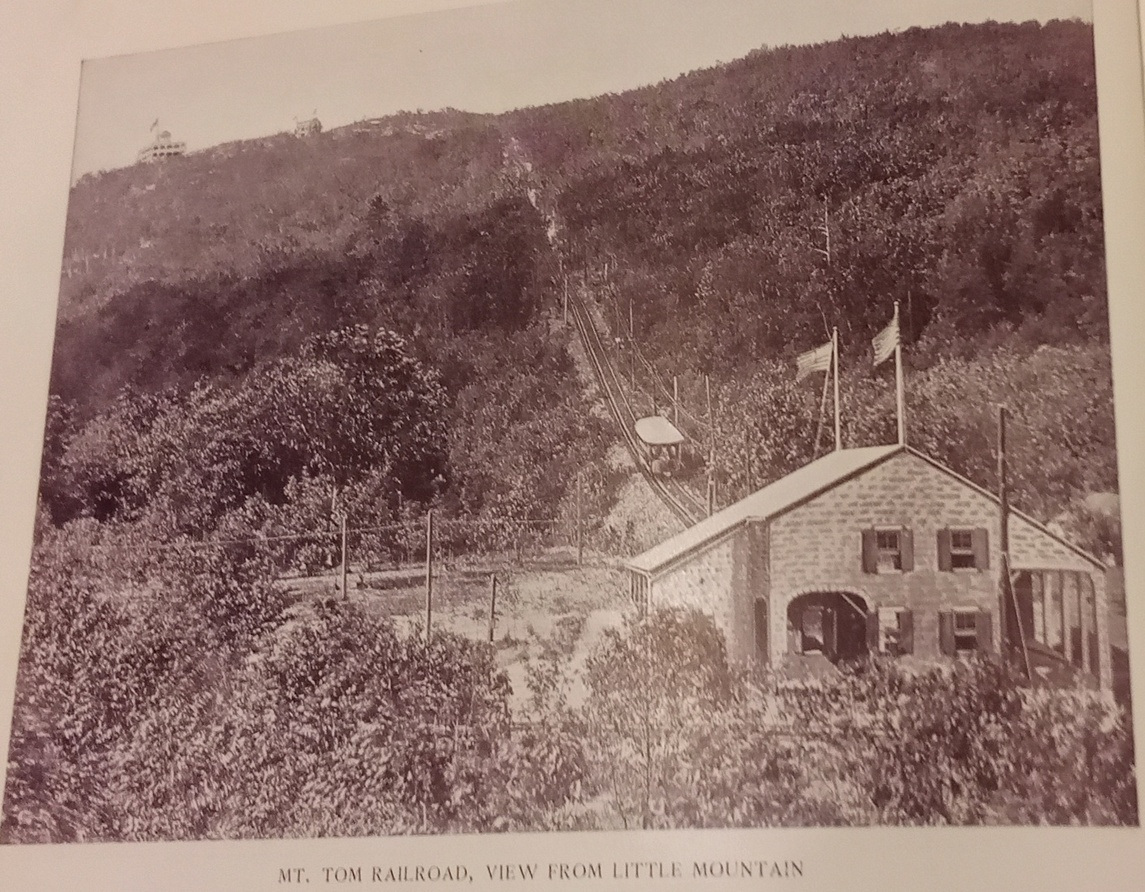
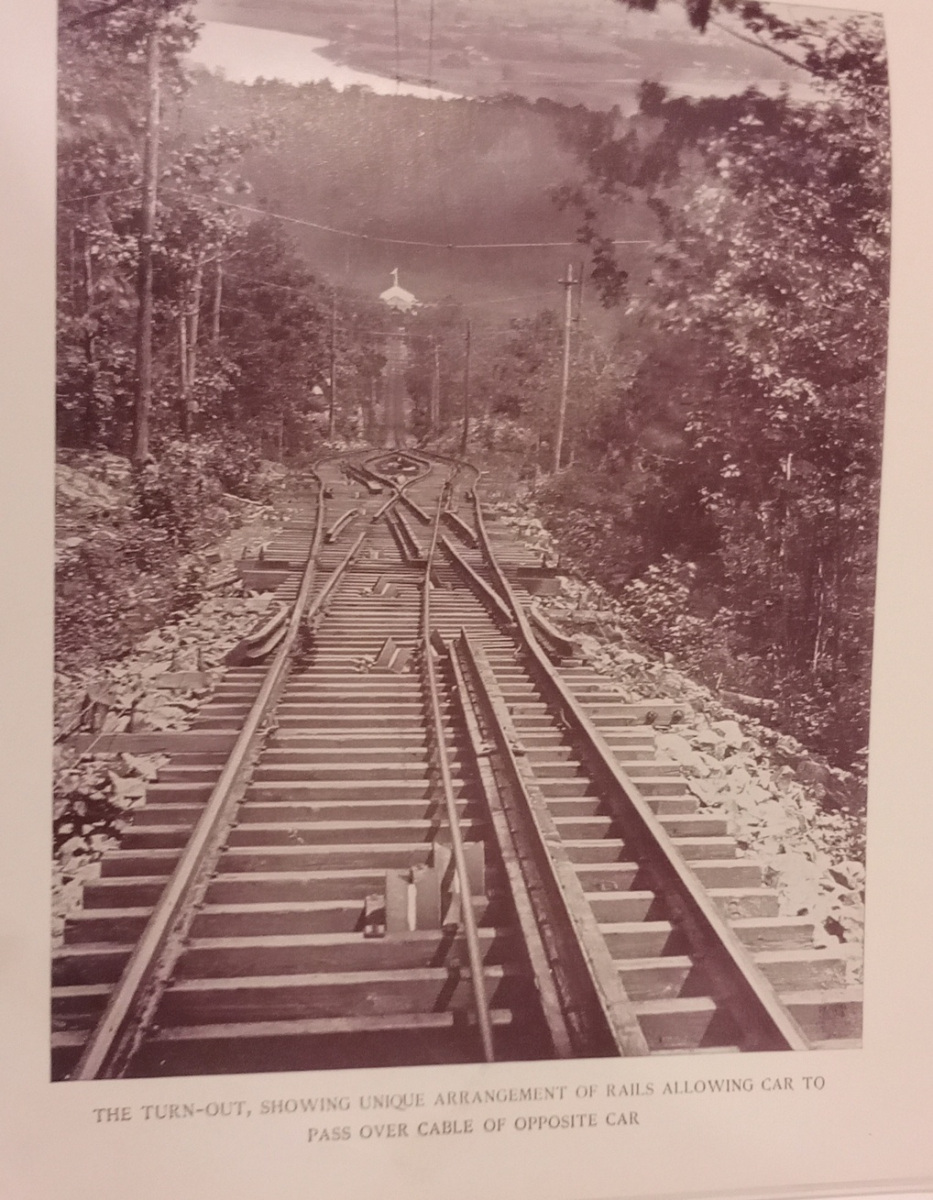
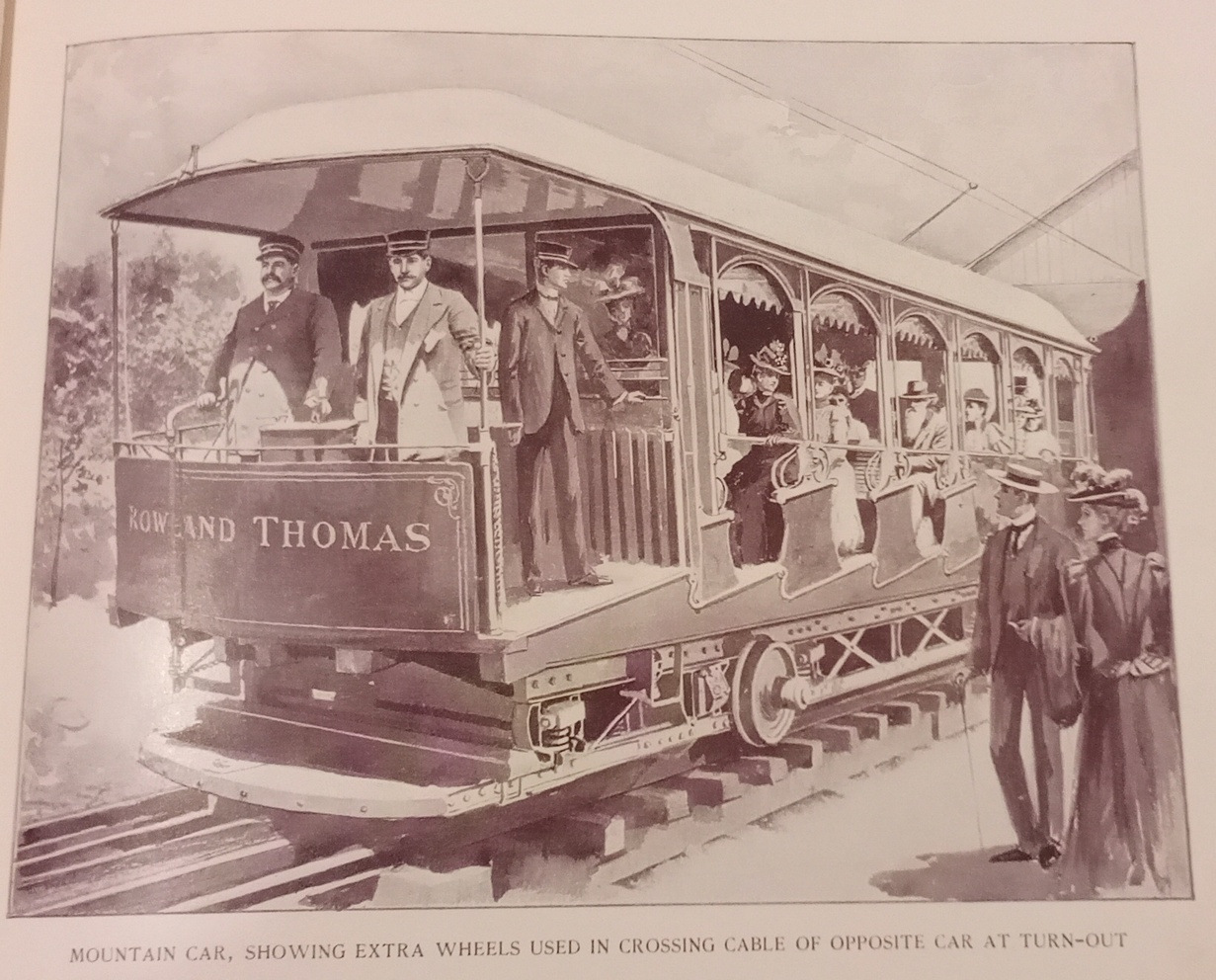
Views on and about Mt Tom and the Mt Tom Railroad

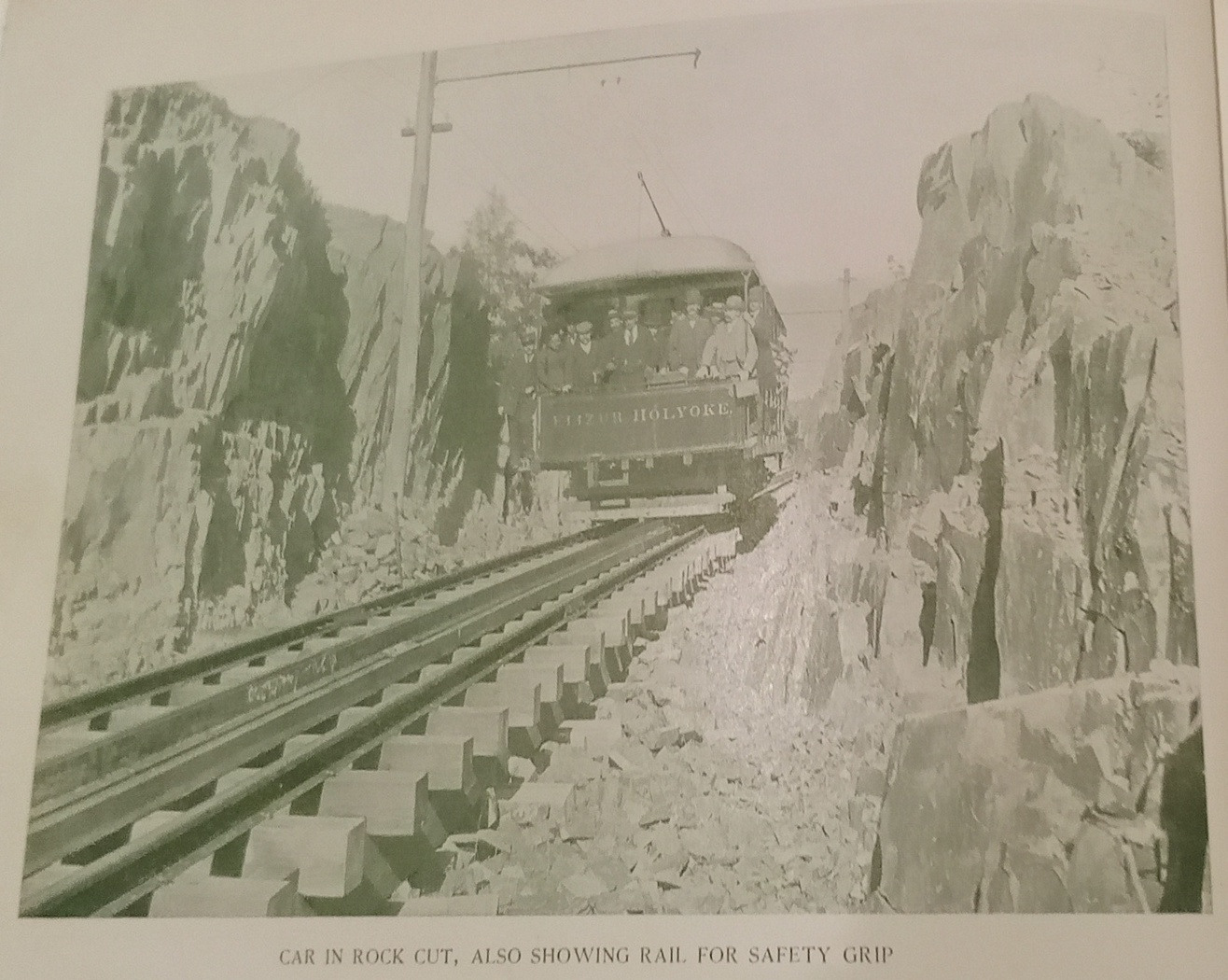
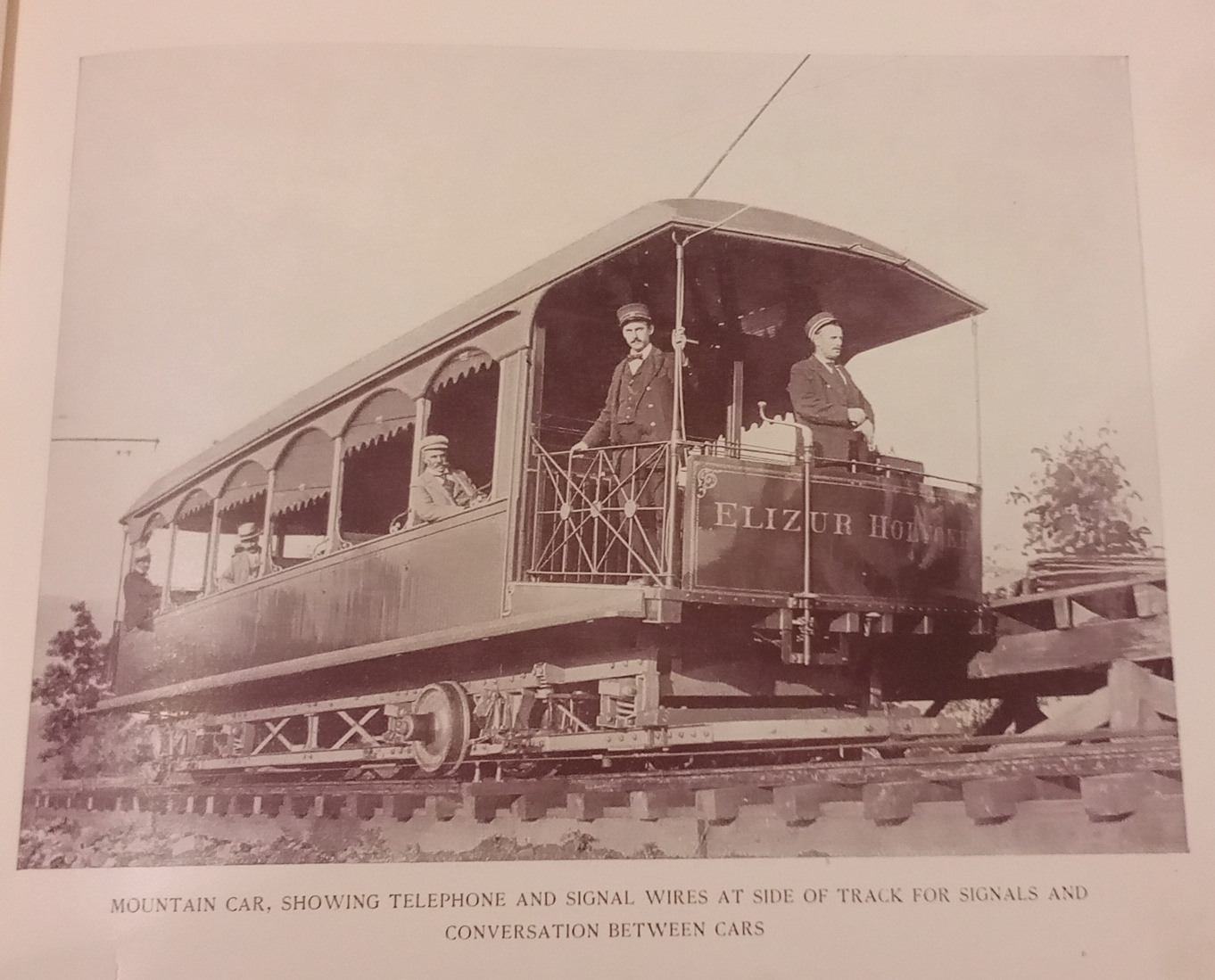
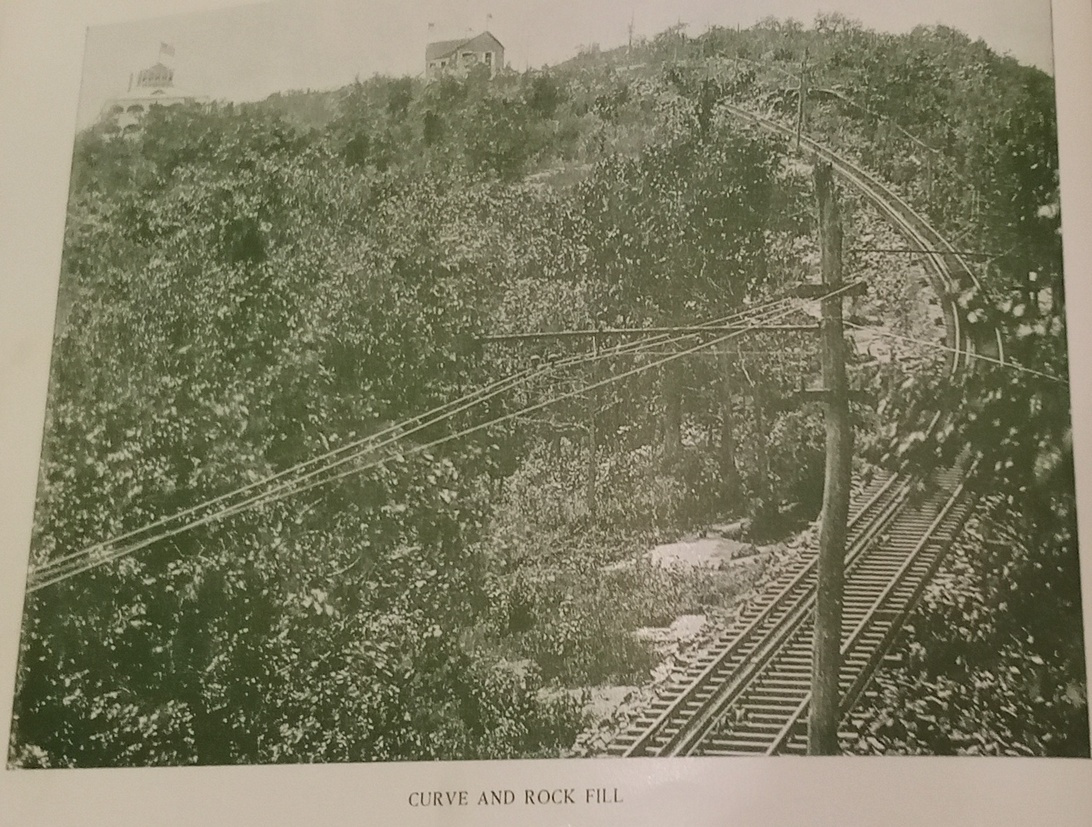
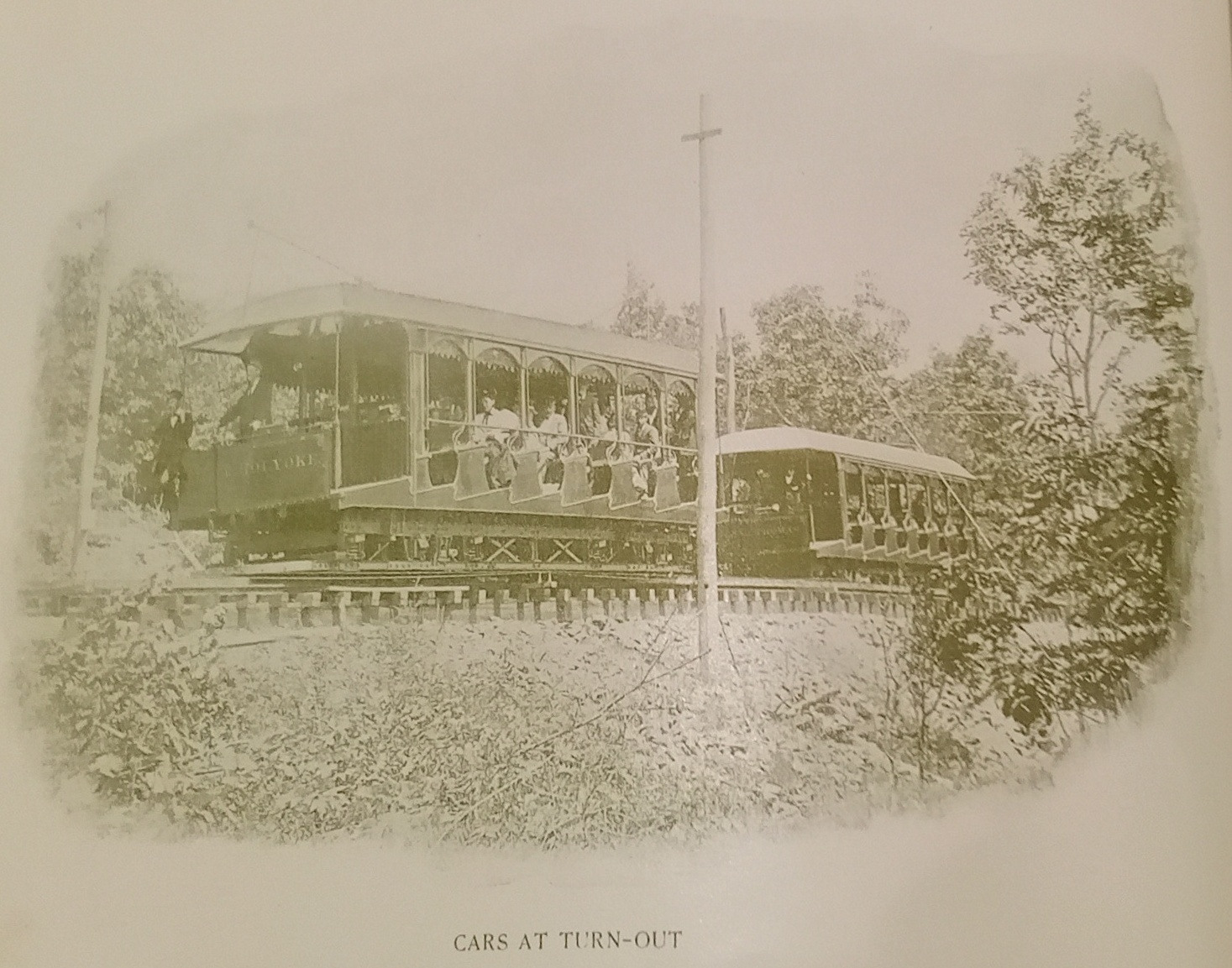
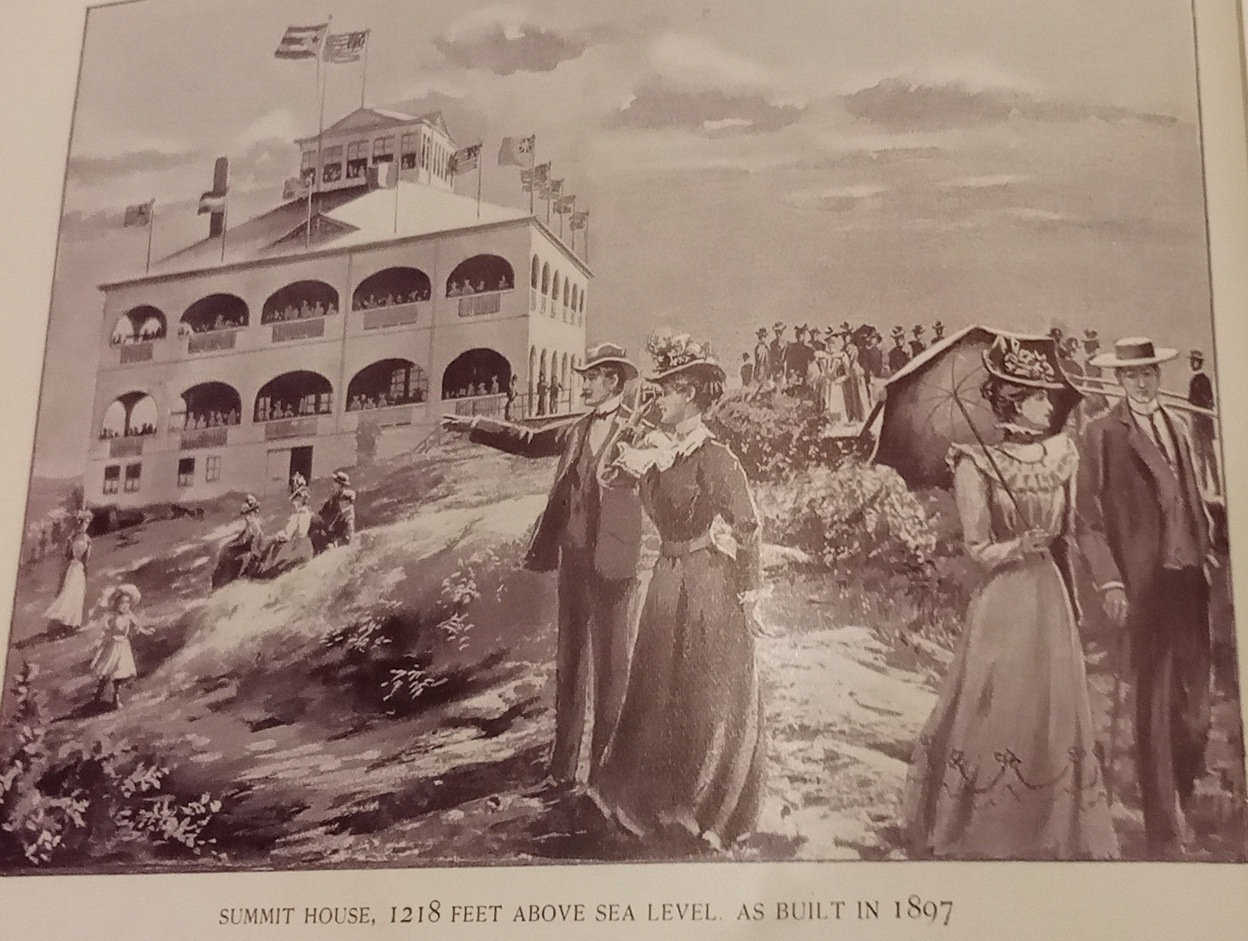
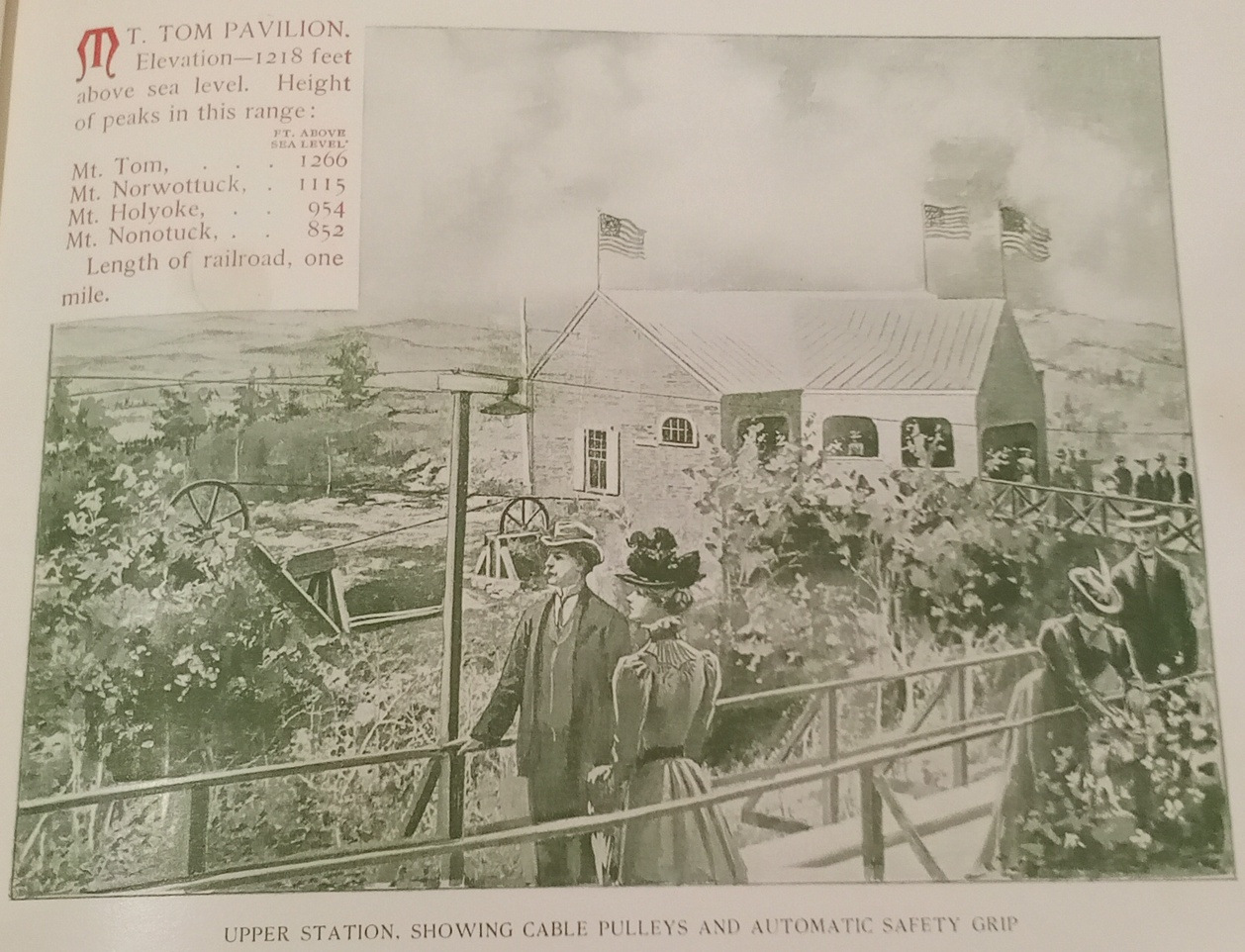
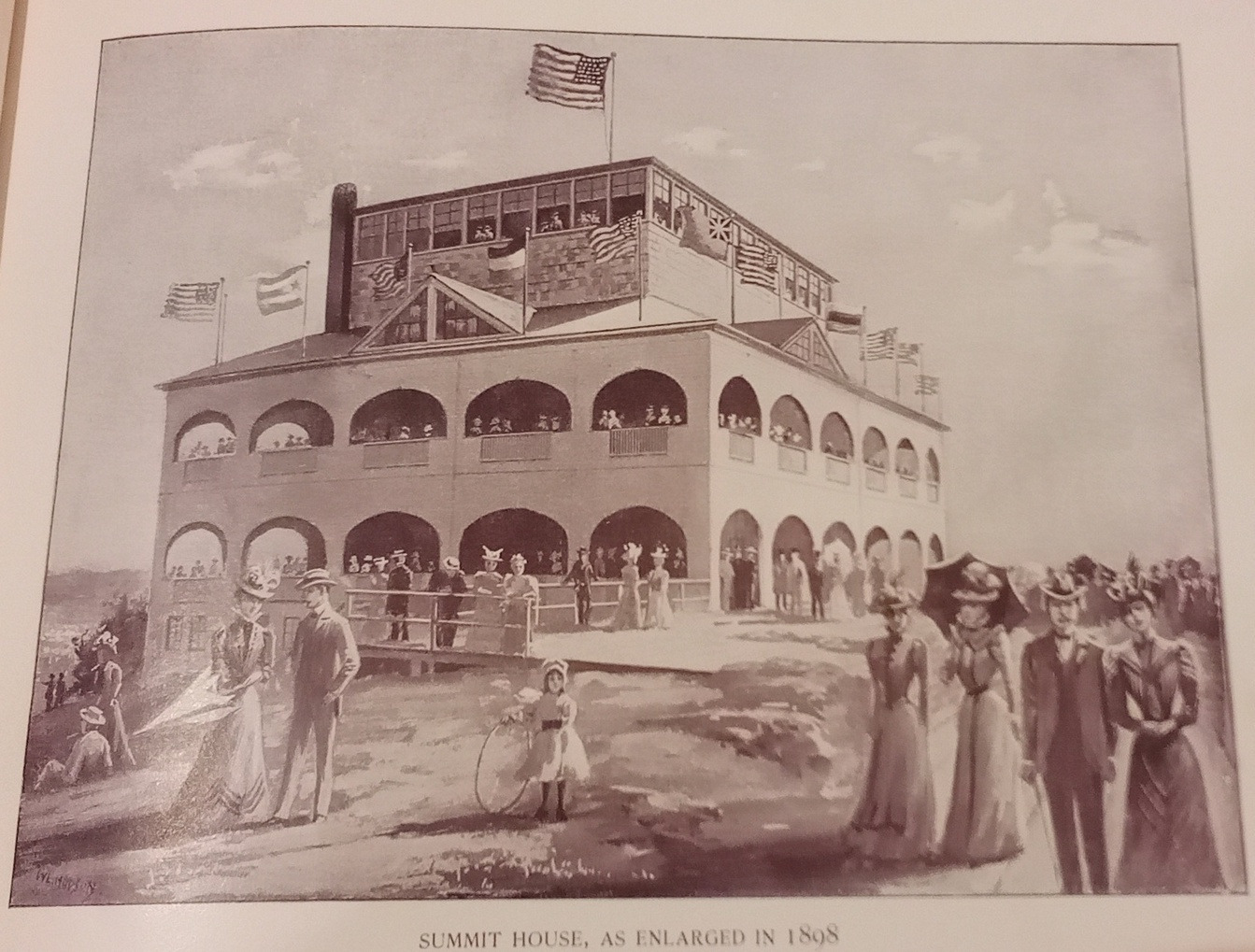
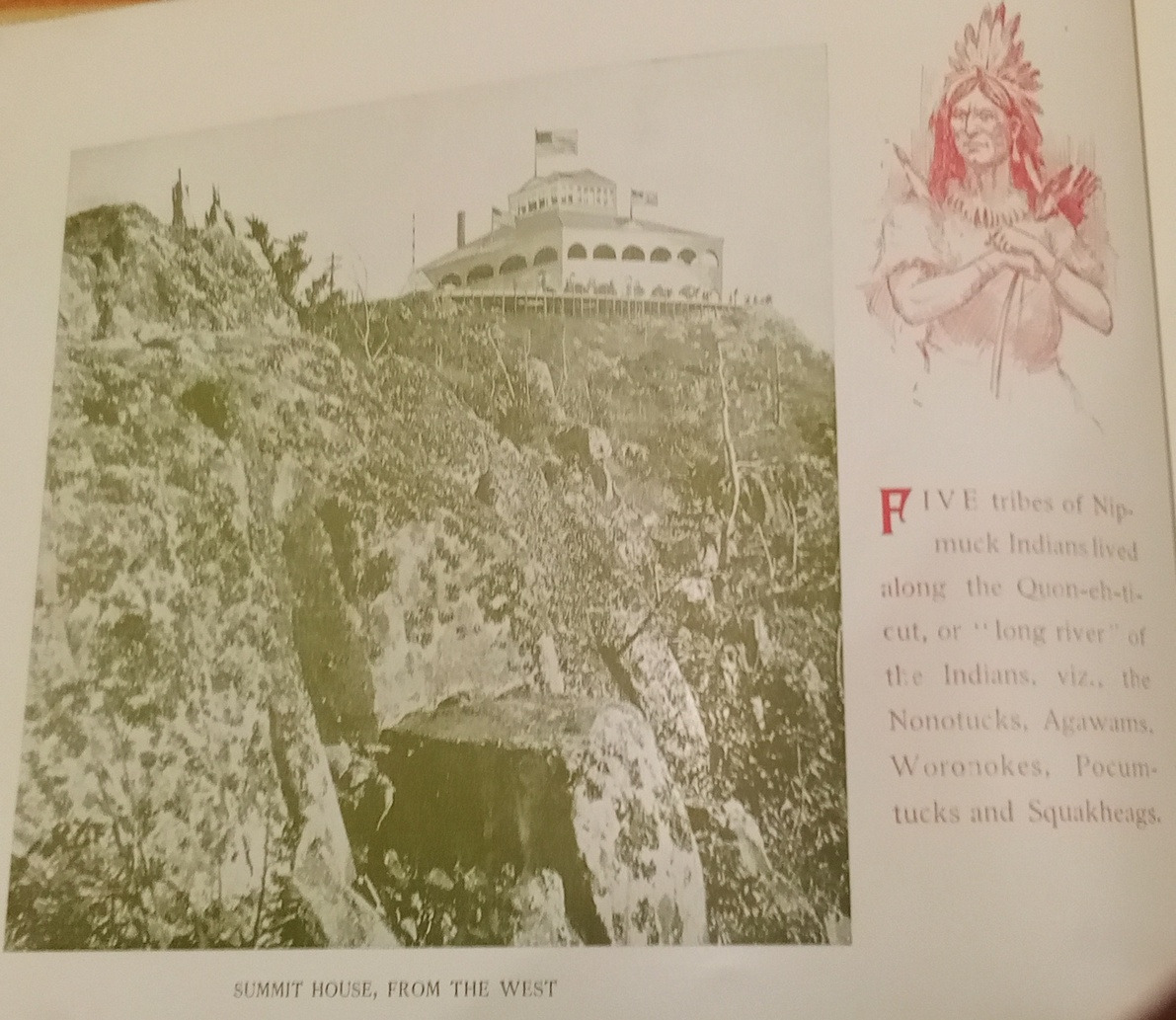

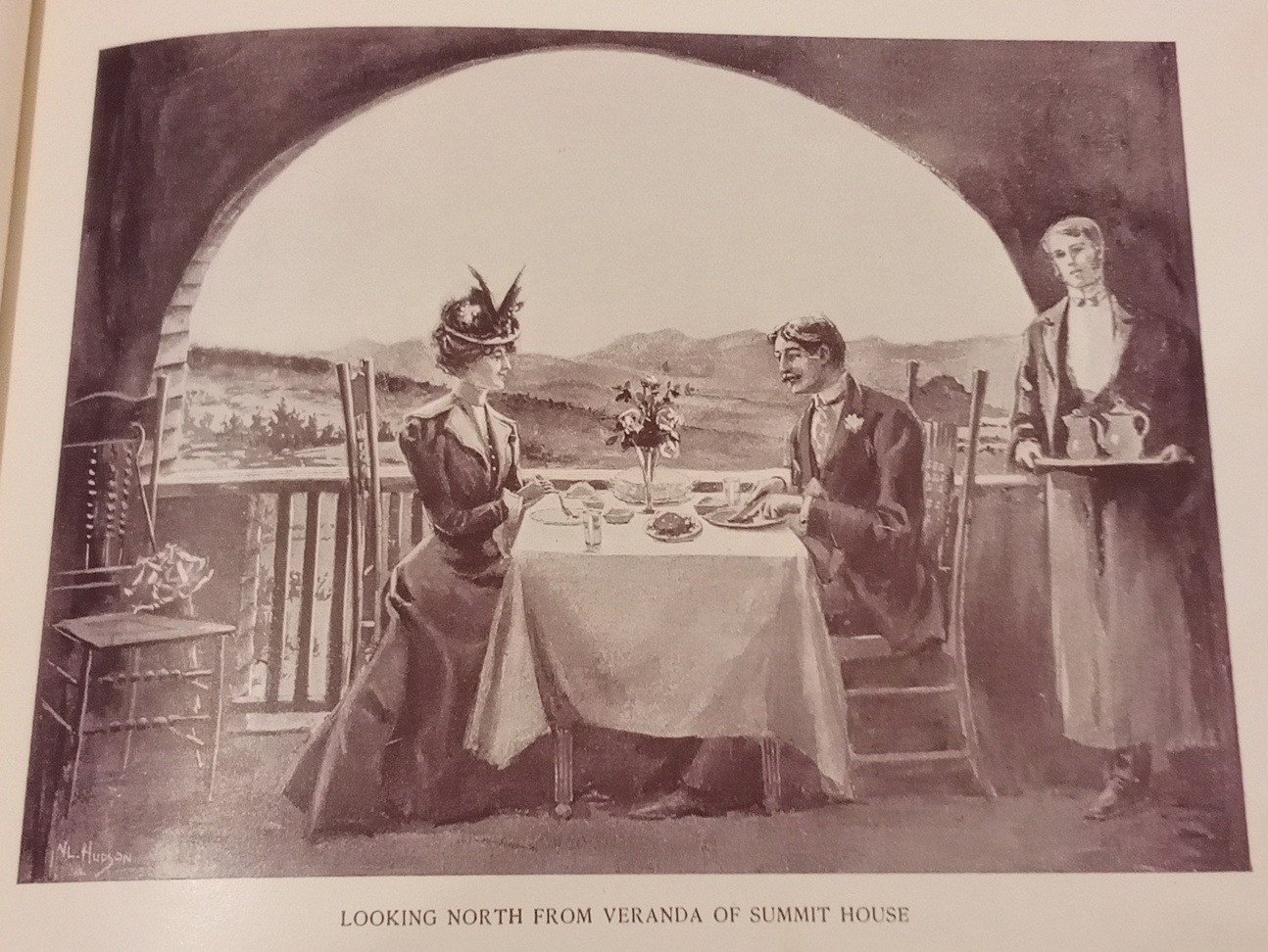
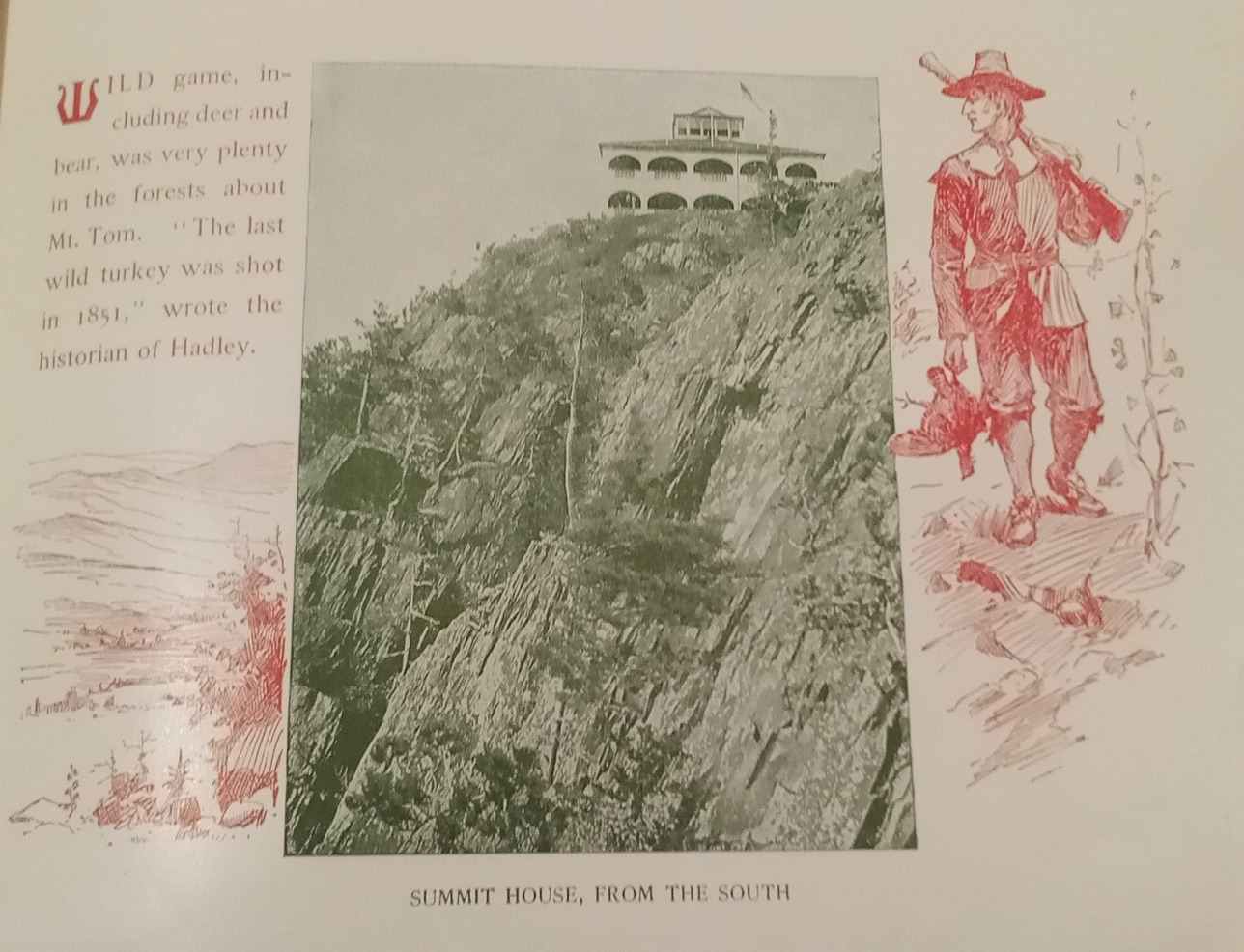
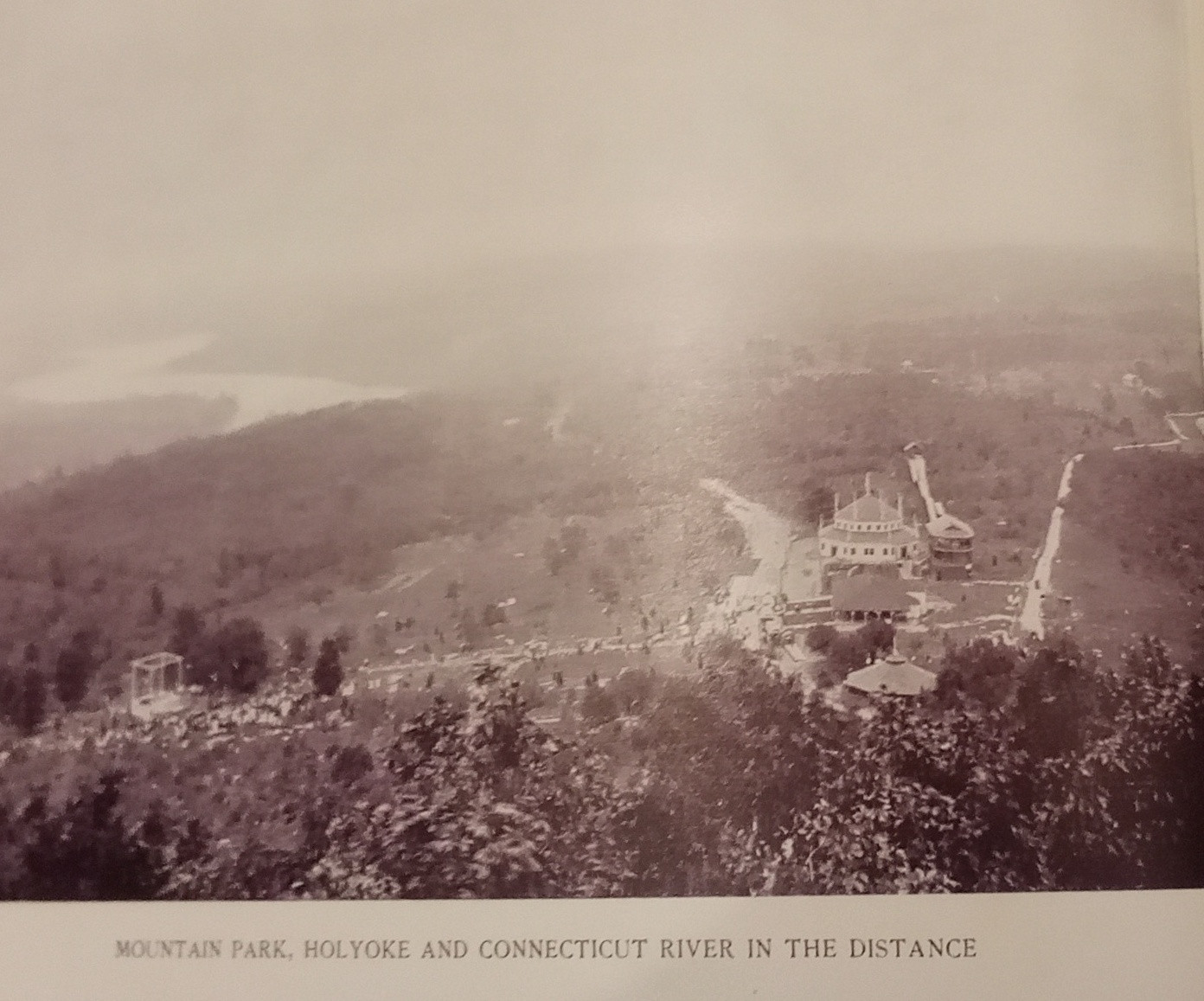
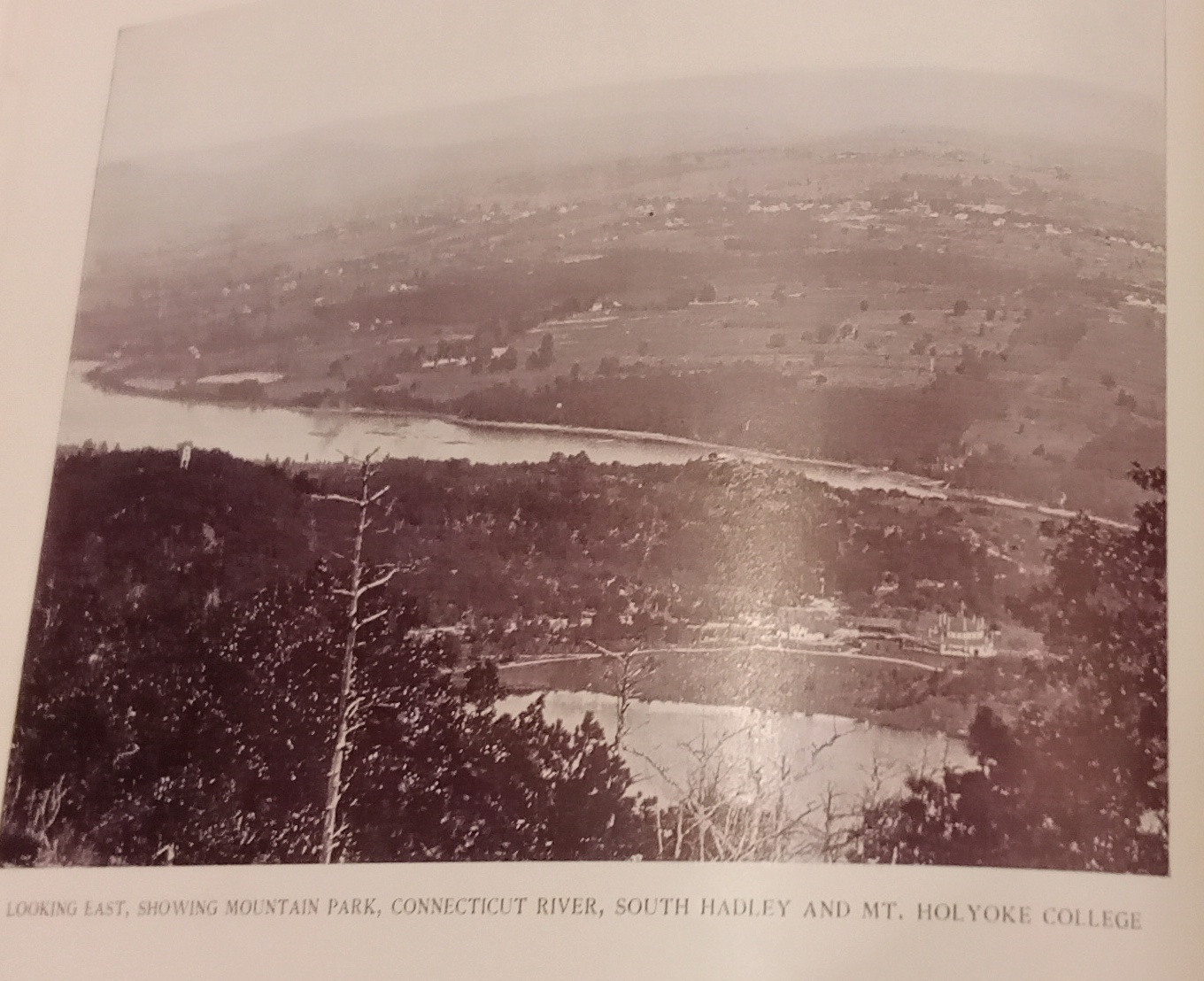
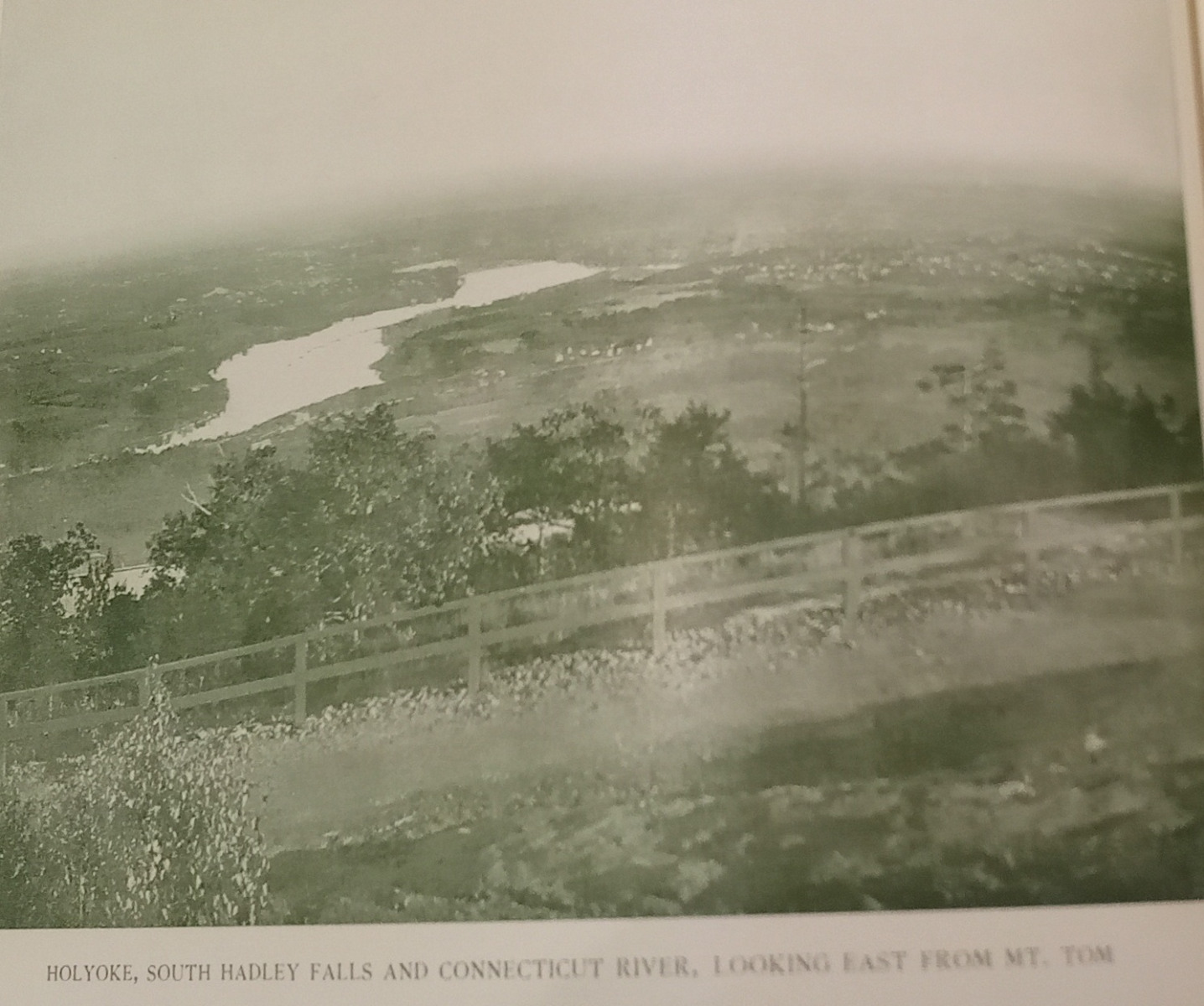
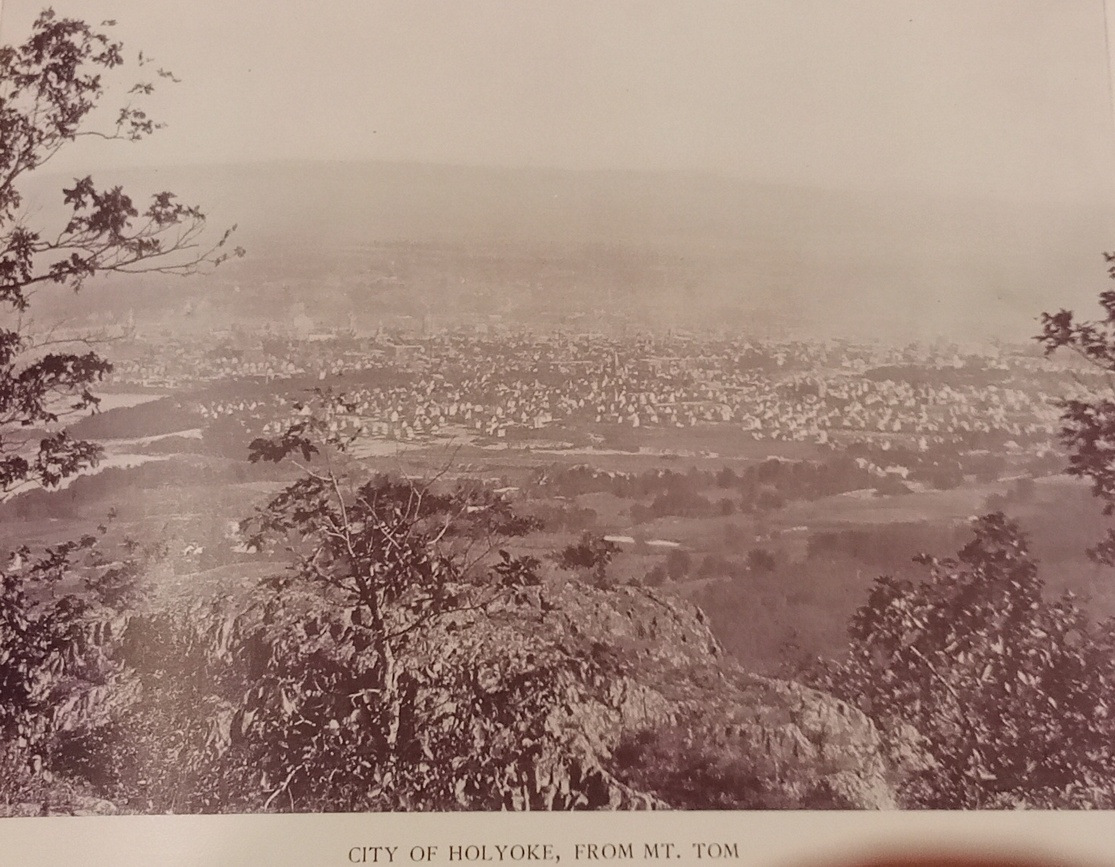
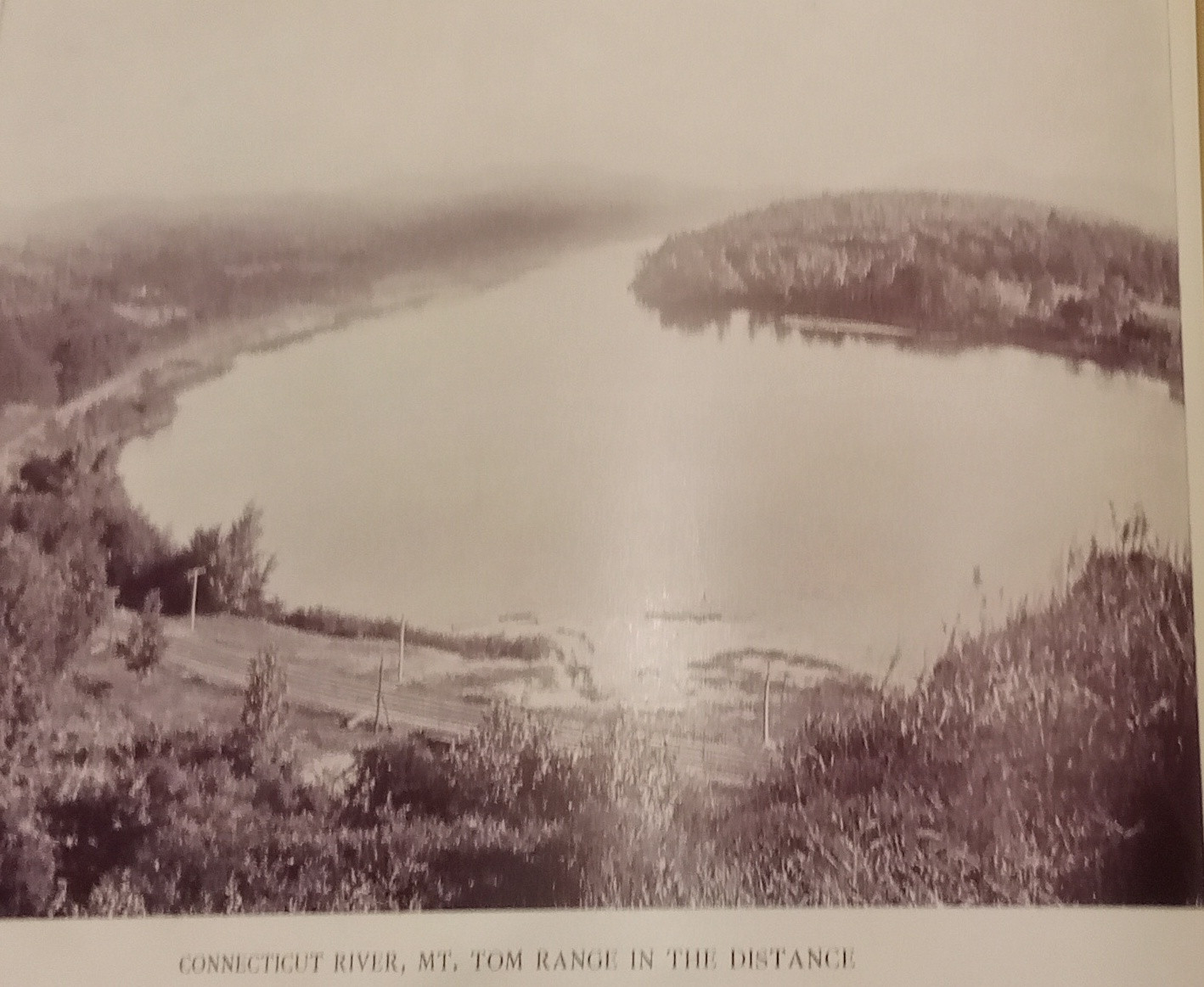
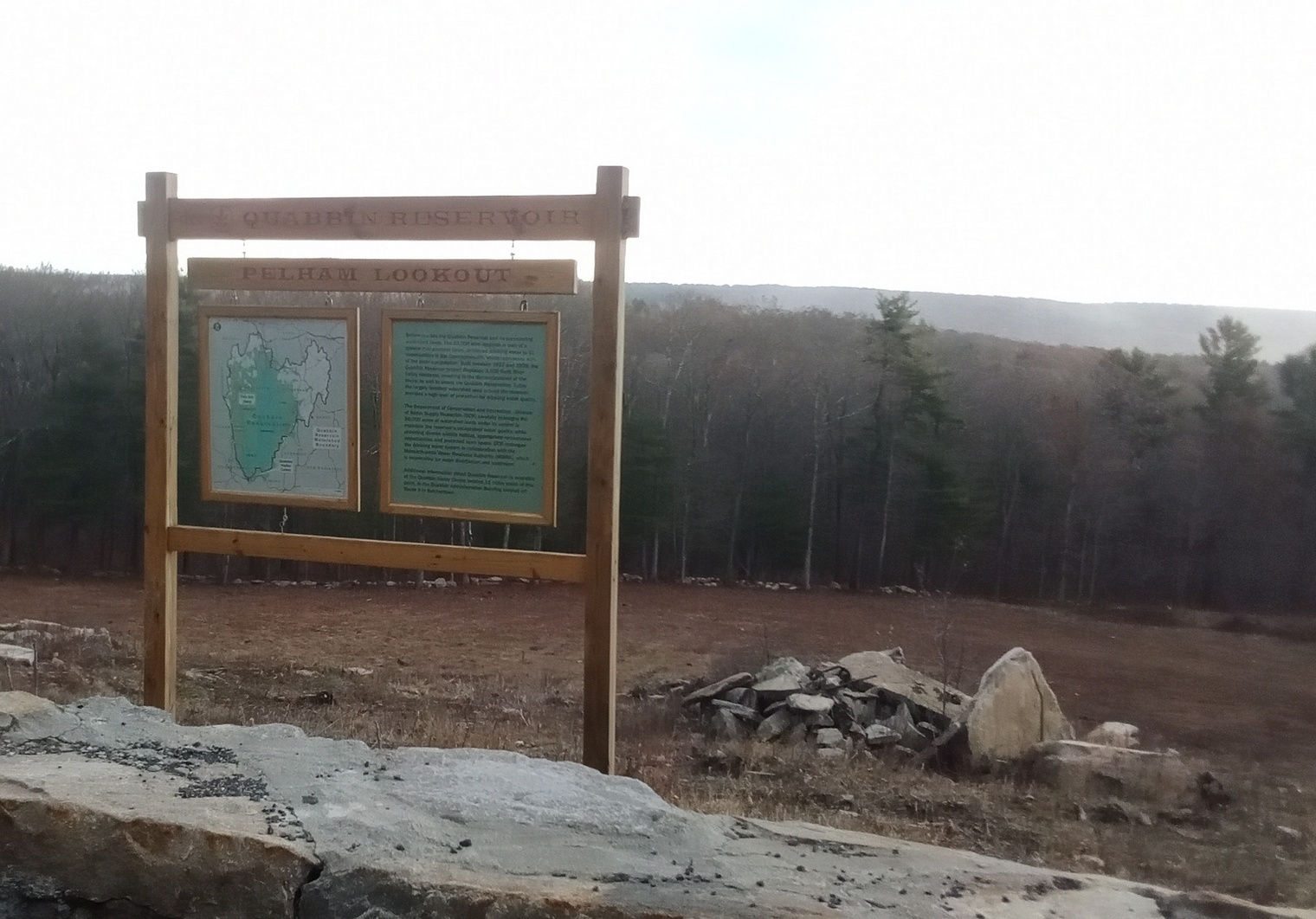
Pelham Lookout

Paid presentation videos are on my PATREON page. See collections at the bottom of this page for a discounted set. Links will bring you to the Patreon page for that video. These are grouped by topic – canal, church, cemetery, and houses.
CANALS
| video | community | notes | LINK |
| Holyoke Canal System in Massachusetts | Holyoke | See similar video in free section. | LINK |
| Six Navigational Canals of the Connecticut River | South Hadley | Canals in Enfield, South Hadley, Montague, Bellow Falls, and more | LINK |
| Six Power Canals of the Chicopee River in Massachusetts | Chicopee | Canals also in Ludlow, Springfield, Wilbraham, and Palmer | LINK |
| Canals in the Connecticut River Valley of Massachusetts | Massachusetts | See similar video in free section. | LINK |
| Skinner Silk Mill of Holyoke Massachusetts | Holyoke | How silk is made and how the mills were arranged. | LINK |
| Springfield Blanket Company in Holyoke Massachusetts | Holyoke | A Mill in Holyoke through Time | LINK |
CEMETERIES
| video | community | notes | LINK |
| Catholic Cemeteries of Chicopee Massachusetts | Chicopee | Look for the Protestant cemeteries too on another video. | LINK |
| Protestant and Jewish Cemeteries of Chicopee Massachusetts | Chicopee | Look for the Catholic cemeteries too on another video. | LINK |
| Burial Grounds of Ludlow Massachusetts throughout its History | Ludlow | History and properties of its cemeteries. | LINK |
| Burial Grounds of Holyoke throughout its History | Holyoke | Cemeteries used by people of Holyoke. | LINK |
| The Lost Grave in South Hadley Massachusetts | South Hadley | Bowdoin family | LINK |
| Burial Grounds of South Hadley and Granby (Massachusetts) throughout their Histories | South Hadley and Granby | History and properties of its cemeteries. | LINK |
| Burial Grounds of Longmeadow throughout its History | Longmeadow | History and properties of its cemeteries. | LINK |
| Burial Grounds of Granby and South Hadley throughout their Histories | Granby and South Hadley | History and properties of its cemeteries. | LINK |
| Burial Grounds of Southampton throughout its History | Southampton | History and properties of its cemeteries. | LINK |
| Slide Presentation of Ireland Parish Goes to War about Holyoke Massachusetts | Holyoke | Revolutionary War Veterans of Holyoke Massachusetts | LINK |
| Catholic Cemeteries of Springfield Massachusetts | Springfield | History and properties of its cemeteries. | LINK |
CHURCHES
| video | community | notes | LINK |
| Precious Blood Church Fire of 1875 in Holyoke Massachusetts | Holyoke | Birth names and dates have been found. | LINK |
| Catholic Churches in Chicopee Massachusetts | Chicopee | Also see Protestant Churches in Chicopee Massachusetts | LINK |
HOMES
| video | community | notes | LINK |
| The House at 181 Linden Street in Holyoke Massachusetts | Holyoke | house history | LINK |
| 159 Chestnut Street | Holyoke | House in Holyoke Massachusetts series | LINK |
| Lovering Schoolhouse of Holyoke Massachusetts | Holyoke | House in Holyoke Massachusetts series | LINK |
| House in Holyoke through Time – The Smith Homesteads | Holyoke | House in Holyoke Massachusetts series | LINK |
| General Discussion of the Olmsteds in Holyoke Massachusetts | Holyoke | General history not technical. | LINK |
| Olmsteds Designs in Holyoke Massachusetts | Holyoke | Discusses their designs. | LINK |
Collections and others
| video | community | notes | LINK |
| Sesquicentennial Ramble through Historic Holyoke Massachusetts | Holyoke | Veterans Memorial Park to High Street | LINK |
| Quebec Genealogy | Massachusetts | genealogy | LINK |
| South Hadley Burial Sites | South Hadley | collection | LINK |
| Chicopee Churches and Cemeteries | Chicopee | collection | LINK |
| Holyoke Churches and Cemeteries | Holyoke | collection | LINK |
| Canals | many | collection | LINK |
| Olmsteds in Holyoke | Holyoke | collection | LINK |
| House in Holyoke | Holyoke | collection | LINK |
| Mill in Holyoke | Holyoke | collection | LINK |
Feature Presentations
| Presentations | community | Video links (external) |
| Catholic Cemeteries of Springfield Massachusetts | Springfield | LINK |
| A Holyoke House through Time The Smith Homesteads | Holyoke | LINK |
| Springfield Blanket Company in Holyoke Massachusetts | Holyoke | LINK |
| Canals of the Connecticut River Valley in Massachusetts | Northampton | LINK |
| Burial Grounds of Granby Massachusetts | Granby | LINK |
| Lovering School of Holyoke Massachusetts | Holyoke | LINK |
| Lost Grave in South Hadley | South Hadley | LINK |
| Precious Blood Church Fire of 1875 | South Hadley | LINK |
| Canals of the Connecticut River Valley in Massachusetts | South Hadley | LINK |
| LINK | ||
| LINK |
Comeau family history from 1619 to 1755
Virtually all lines of any French-Canadian will expand in Canada back to the early pioneers of Quebec and Acadia (Nova Scotia). Everyone is different in the specifics of those ancestors, but many pioneers will appear in every tree. There are many ancestors at this era since the tree doubles with each generation. Prior to 1619, most of our ancestors are in Europe – in France, Great Britain, Switzerland, the Netherlands, Belgium, and more. If we call my siblings and cousins generation 1, then generation 11 is the first born in Quebec, generation 12 was born in France and emigrated, and generation 13 lived their whole life in France. At that 13th generation, they are called our 10th great grandparents, there are 4096 people just at that level alone. I will thus just pick a few noteworthy settlers of that era.
Hélène Desportes is our 8th great grandmother. She was the first child born in Canada to Europeans. We have eight great grandparents and so which one did she come through – well our great grandfather Trefle Comeau. Virginia Dare was the first child born in British territory in America from Europeans. That was in 1587. Hélène was born in 1620 – 33 years later. She then had 19 children in Quebec and afterwards in her old age became a midwife.
Pierre Comeau is the patriarch of the Comeau family in North America. He is the only Comeau ever to immigrate from France to North America so all Comeau are related to him. He was a barrel maker. Due to a lack of women in Port Royal, Nova Scotia, he did not marry until he was 52 years old. He is believed to have had 10 children and among them are Pierre Comeau dit L’Esturgeon and Antoine Comeau. Pierre the younger would have 19 children with his wife Jeanne Bourg. Next in our ancestry line is Abraham Comeau who would have 12 children. What a start to getting the name around.
Antoine Comeau was mentioned before since he is the only one to leave Acadia. He went with a friend to Maine in 1686. There he tried to fit into the society by changing his name to Anthony Coombs and claiming that he once studied to be a priest. He would have 11 children with Dorcas Wooden and spread the name Coombs around Massachusetts and Maine. The separation that Coombs wanted from the Comeau name stood for 323 years until 8 members of Coombs and Comeau families had DNA tests done. They all matched perfectly. Anthony Coombs was Antoine Comeau. The four Coombs that had the test were overjoyed, the four Comeau (one of which was me) were delighted to be of help.

In the previous post to this story, it was reported how Paul Brault had fared at Grand Pre. His children and he were deported and went to Quebec. They had left by overland flight from Grand Pre and walked or caught boats going to Quebec City. His elderly father Pierre Brault was not so lucky. Born in 1670 to Vincent Brault in the burgeoning city of Port Royal Acadia. At age 85, when the British decided to clear out all French from Nova Scotia, he was forcibly placed on a ship of men only and set afloat on the Atlantic. Some of the men must have had sailing experience, since they were able to make it to Boston. There he lived out the rest of his life in humiliation. John Faragher writes in his 2005 book A Great and Noble Scheme that there should have been 40 thousand Acadians found in 1780 at the various sites that they went to. But he could only get a number of 20 thousand. Only half were accounted for and since they were in Acadian only villages around the globe, there must have been a net decrease by half. It is known that a couple of ships of women only had sunk. Other ships were rejected at world ports and left at sea until people starved.
Jan Wybesse Spoor left Harlingen in the Friesland of the Netherlands in 1662 and worked as a contract servant for a rich Dutchman near Albany. He and his son Johannes were exceedingly frugal and after 30 years had enough money to buy land and build a home in Coxsackie in Greene County of New York. This Spoor homestead is on Spoor’s Hill or Spoorenberg. It was in Spoor hands for 180 years until it was sold outside the family in 1870. It still exists and a Spoor family cemetery is nearby. Our line passes from Jan to Johannes to Johannes to Johannes to Abraham and then picks up at a previous post of mine. Our Dutch-America forebears were like all old time Dutch-Americans. Hard-working and religious. Each fought for the country when needed in every century that I looked at the family. Abraham fought in the Revolutionary War and his grandson Orange Mansel Spoor would die of starvation during the American Civil War in a prison camp.
Jacques Archambault and Françoise Tourault arrived in Montreal in 1647 from La Rochelle of the western seaboard of France. They were early pioneers and had stories like so many of their compatriots. They needed to settle, build a house, and farm. They had brought their young children with them and they needed to be educated and taught religious values. These were the reasons that they had left La Rochelle. The city provided a large number of emigrants to Quebec since they were adventurous seafaring people but mostly since there was religious conflict in La Rochelle. It was very far from the Catholic monarchy that controlled Paris and nearby cities. Protestants flocked to La Rochelle to obtain religious freedom. The French army sieged the city and forced it to comply in 1573. The inhabitants were never comfortable with central government rule and the Catholics there started immigrating to Quebec and the Protestants to New York State. The Archambault family got caught up in this and took passage to the New World. There they had political and religious freedom and an adventurous new start.
Adrien Charles Legrain is the last of our stories in this segment. His father was born in France in the late 1600s but he came to Quebec to fight the British in a series of five wars fought in Quebec and New England. These were known as the French and Indian Wars and they ruined the southern Quebec countryside. Adrien was born near Fort Chambly in 1688. His father must have told him stories about the wars that he and his own father had fought in. Antoine readily joined the military. Some Native Americans had raided Deerfield Massachusetts during one battle of these wars – it was called the Deerfield Massacre since all white settlers died save one Thankful Stebbins. She was brought to Quebec by the Indians and adopted by Quebec pioneers. She was given the chance to return to Massachusetts but wanted to stay with her new family since she was well cared for. In 1711, Thankful Stebbins married the soldier Adrien Legrain in the church fort at Chambly. This gives us one of the few lines of British ancestry that we have.
Comeau family history from 1765 to 1860
The Comeau and Spoor family history was looked at from 1861 to 1960 in a previous post. Now we will look at the Comeau, Touchette, Henley, Deschênes, Spoor, Gauthier, Brault, and Hade families from 1755 to 1860. The year 1755 is important since the British brutally kicked the French Acadians out of Nova Scotia then. That event in full will be in the last of the three Comeau family stories that will come later.
Jean Comeau our 6th great grandfather was 50 years old when the British marched on the village of Chipoudy in New Brunswick. His family and 200 other Acadian families had settled that village in order to keep away from the British rule. That was on the isthmus that joins Acadia to New Brunswick in Canada. The families hid in the woods while the British torched their homes. They actually wanted to destroy the Acadians totally but the British could not find them. They returned to their village and rebuilt it in the ensuing months. Thus they were some of the few Acadians to escape the deportation of 1755. His son Joseph Comeau moved two later to Quebec City and married Isabelle Élisabeth Laurt in 1759 in Notre Dame Cathedral. They would settle into Pointe-du-Lac, Quebec which would become the second ancestral village of the Comeau family. Among their 13 children would be a son Joseph Comeau who would marry Marie Anne Livernoche in 1786. Comeau and Livernoche would have 12 children themselves. Thus you sense that there are a lot of Comeau that come out of Pointe-du-Lac.

Joseph Touchet and his son Louis were farmers in the townships around Saint Mathias, Quebec. They owned small farms but these through the decades were becoming more and more difficult to farm. Overpopulation was a problem and mechanization of agriculture was on the increase. Few Quebec farmers ever tried to pick up a trade and move into the commercial cities of their province. Most when they moved would do so to the small and medium sized towns of New England. Connecticut and Massachusetts were only a one-day train ride away from southern Quebec. When Joseph’s grandson Jean Louis became the first of the family to immigrate it was not as permanent as it would seem. Summer returns were frequent to both help with the farming and to visit. Additionally, 50% of all Quebec immigrants did not stay in New England but rather returned permanently to their ancestral villages in Quebec.
James Henley came from Ireland in the 1770s when he was a teenager. He settled in Perce on the Gaspe Peninsula of Quebec. He formed a union with a local named Catherine Chicoine dit Cotton. About five years later a priest from France finally shown up and they had a formal marriage and baptisms for their first three children. This was common in such remote villages and was called a natural wedding and natural children. In 1791 in a violent storm, James Henley drowned in the ocean. He was a fisherman by trade and met his untimely demise. His wife petitioned for help from the government and received it since she had so many young children. Their son Patrick moved to the village of Sainte-Anne-des-Monts in the Gaspe and had many children. There are still many Henley in that village today.
The Deschenes family of Sainte-Anne-de-la-Pocatière, Quebec was for over a century tied with the Henley family. These were both fishing villages and very close to each other. The patriarch of the family in that area would be Jacques Miville dit Deschênes. He moved from the western neck of the Gaspe called Rivière-Ouelle to the fishing village eastward. The same pressures that drove the Henley family south to Fall River did the same to the Deschenes.
Johannes Spoor was from a long line of Dutch settlers in the Hudson River Valley. His brother inherited the family home so he moved to Sheffield Massachusetts. His marriage to Catharina Halenbek Capersen gave him five sons. The fourth of them Abraham Spoor is the 3rd great grandfather of the Spoor family of New Bedford. With his 8 children he would move northward to Saint Albans Vermont in 1790. After 25 years there they would all scattered across the USA. A poor economy and religious fervour hit the USA in that era and they got caught up in it. His last son Orange Spoor had opened a sawmill in Saint Albans but needed to move so he opened one next in Farnham Quebec. With his son Edwin he would be a great success in the wood business of the area.
Michel Gauthier and his son François and then his grandson Charles were tradesmen in the medium and small cities along the Saint Lawrence River. They must have had success since they stayed in the native cities for long periods of time. Charles had a son Jean-Baptiste Gauthier dit Marcoux that moved to Farnham. His daughter met William Spoor and they decided to move to a better life in New Bedford. There was no mass movement from this extended family although when Jean-Baptiste died his wife Rosalie Hebert moved to join her daughter.
The Acadian deportation was harsh on the Paul Brault family. In 1755, Grand Pre was brutally destroyed by the British and all citizens moved afar. Paul and his children moved to Saint-Jacques-L`Achigan, Québec. This was one of a series of villages north of Montreal along the L`Achigan River that was settled by Acadians. Five generations of Brault would stay in these towns – Paul to Jean-Baptiste to Alexis to Julian to Damase. They would marry into the Landry, Dupuis, Meunier, Piquet, and Gendreau families there. Most were farmers and successful but large families pushed Damase south to the eastern townships.
The last family is the Hade family who settled in Chambly and in Saint Mathias. François Hade was a military man and many of his offspring were too. He was a late immigrant from France since he only came over as a soldier to fight one of the many wars against the British. His son, grandson, and great grandson were all named François. They all lived near Fort Chambly (it is the largest fort in Quebec). Gradually, they moved into agriculture in the towns around Chambly and Farnham. Even the families that they married – Menard, Gemme, Sansouci, and Alix – followed the same path of military and later farming. Quite the story so far but next we will go back in time to the France to North America immigration of the 1600s.